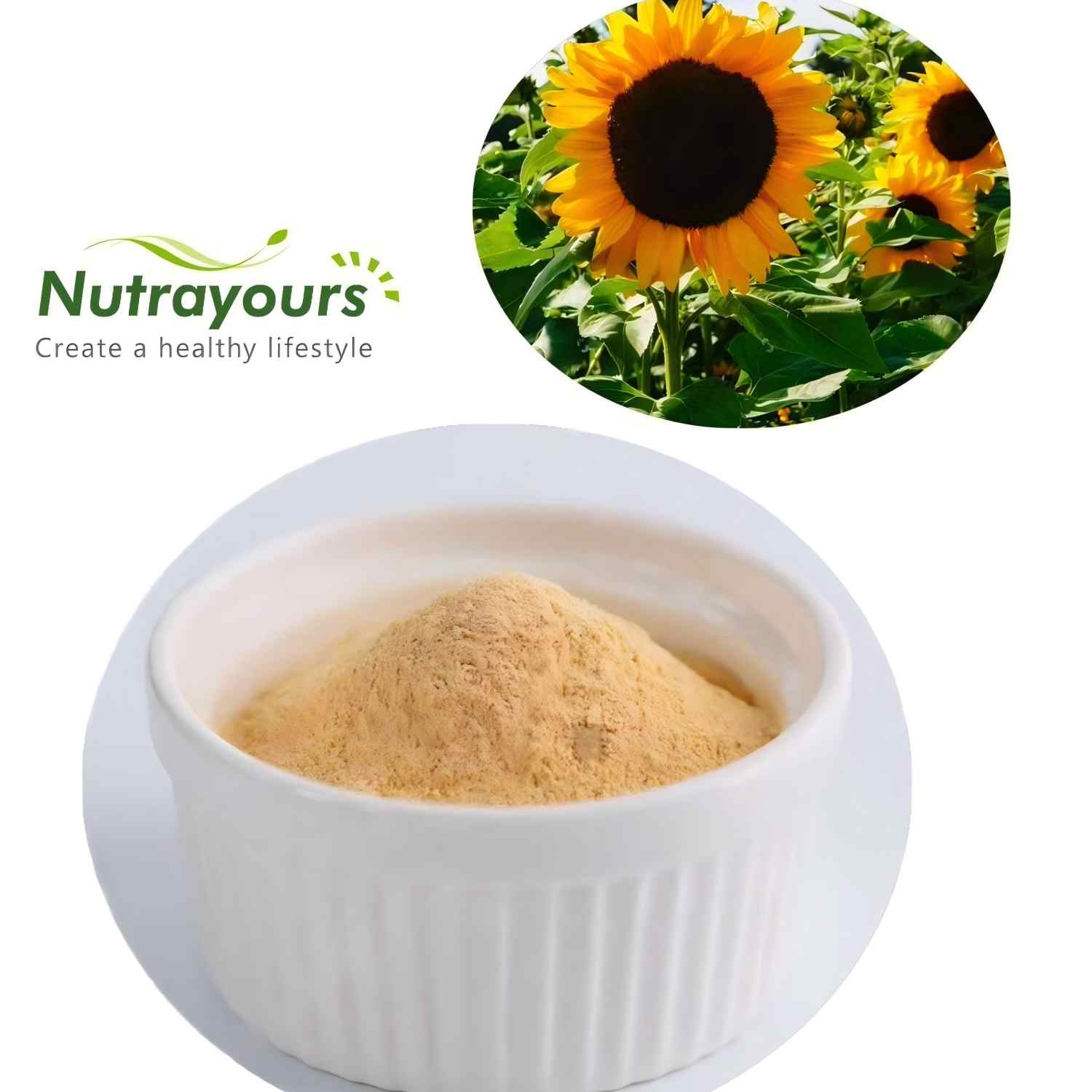
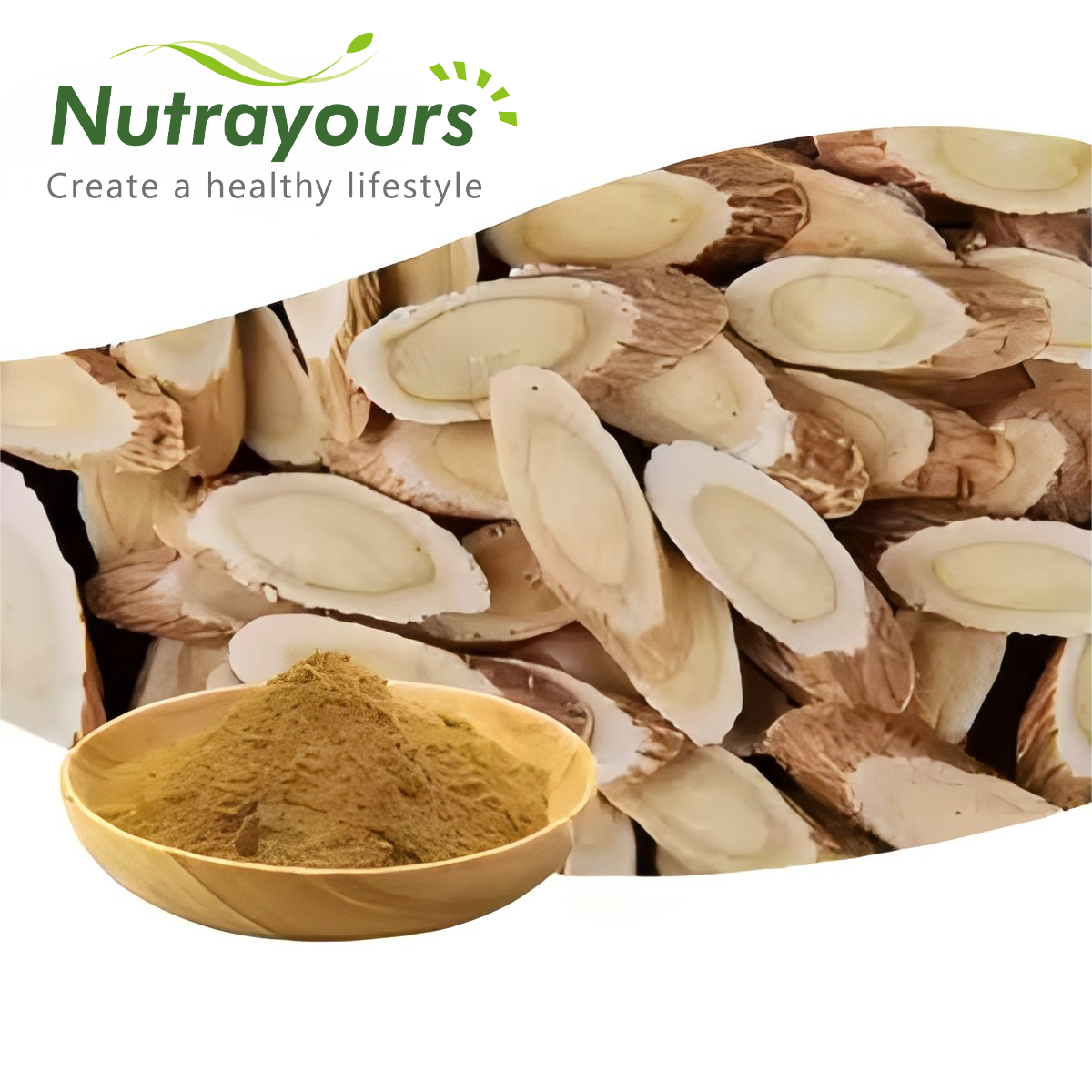
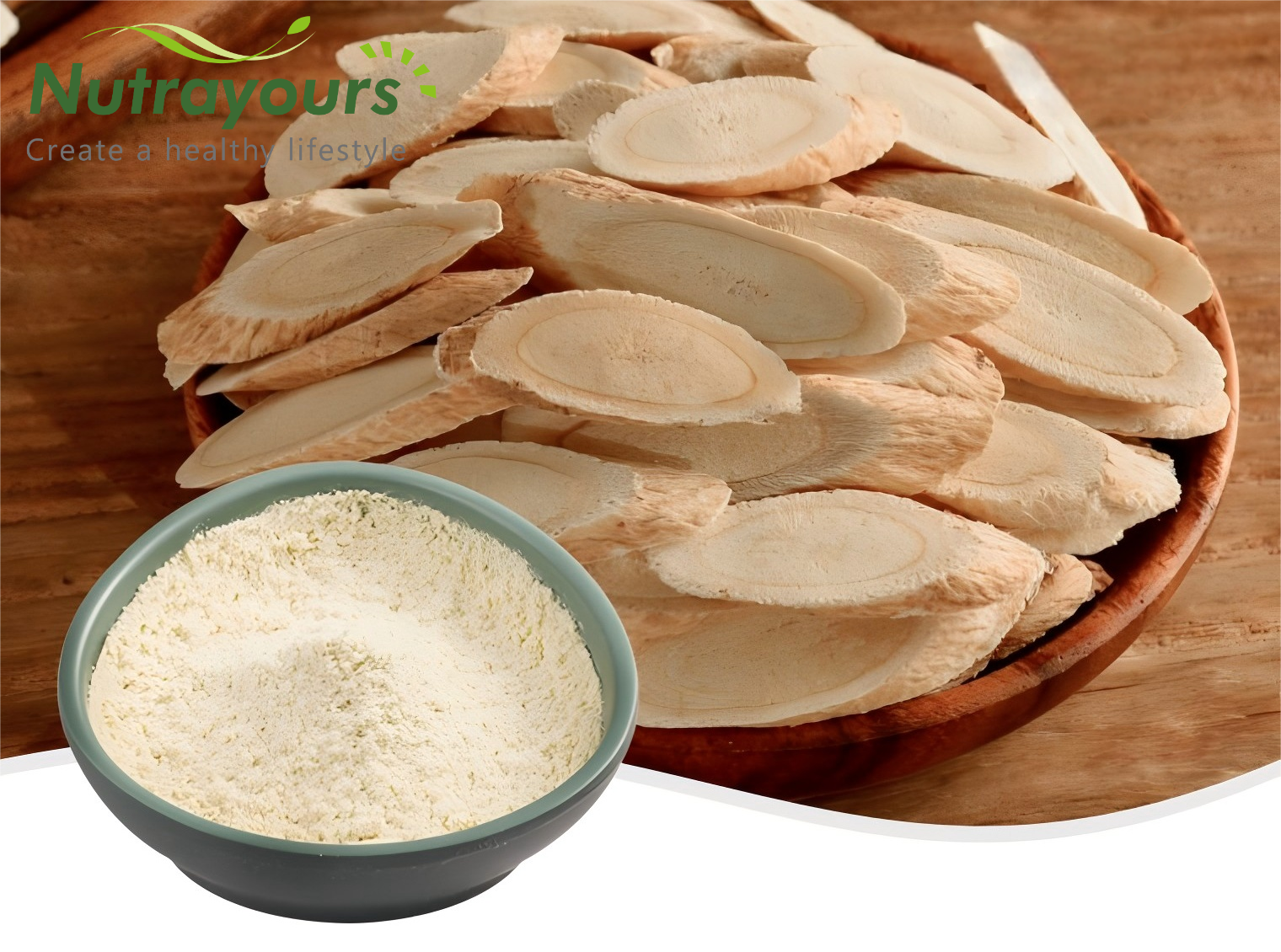
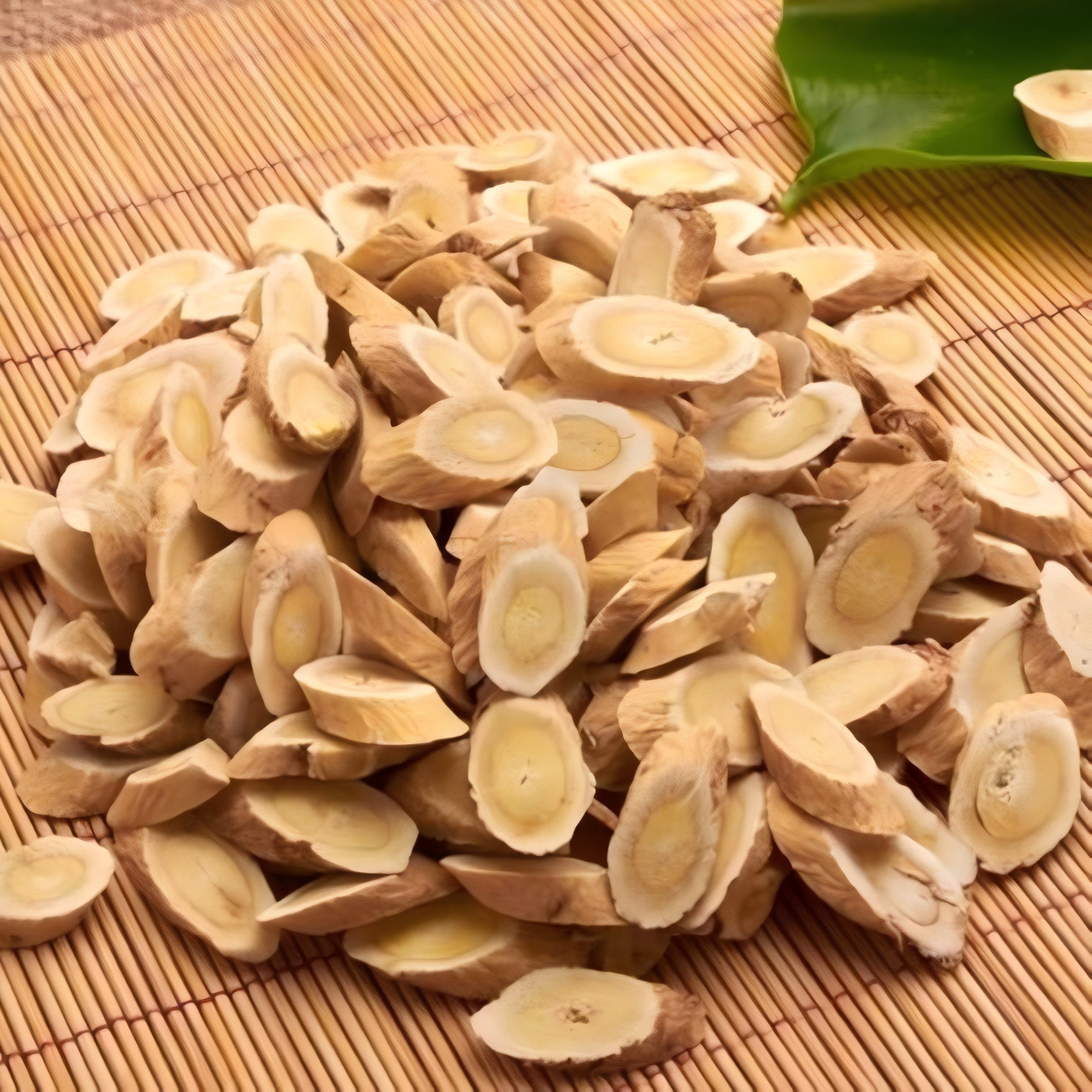
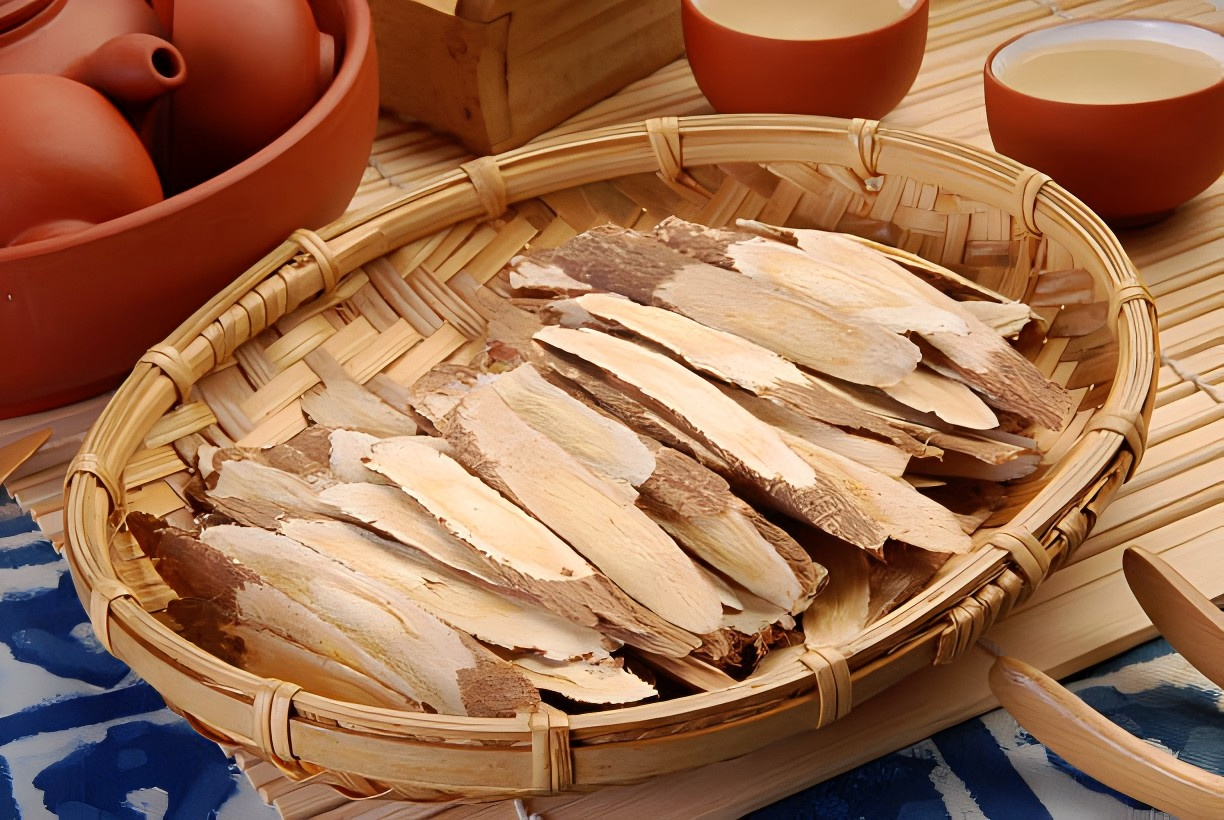
| Product Name | Astragalus Extract | Specification | Polysaccharide 20%~ 90% Astrangaloside 0.3%~98% ratio extract |
| Part of the Plant Used | Root | Latin Name | Astragalus membranaceus (Fisch.) |
| Product Introduction | Astragalus is used by traditional Chinese doctors to stimulate the immune system. Chinese doctors have used astragalus to fight the flu and the common cold. Astragalus contains polysaccharides that are thought to play an important role in influencing the immune system. Astragalus Extract is strengthening the defensive energy and superficial resistance, promoting pus discharge and tissue regeneration, and inducing diuresis to cure edema. | ||
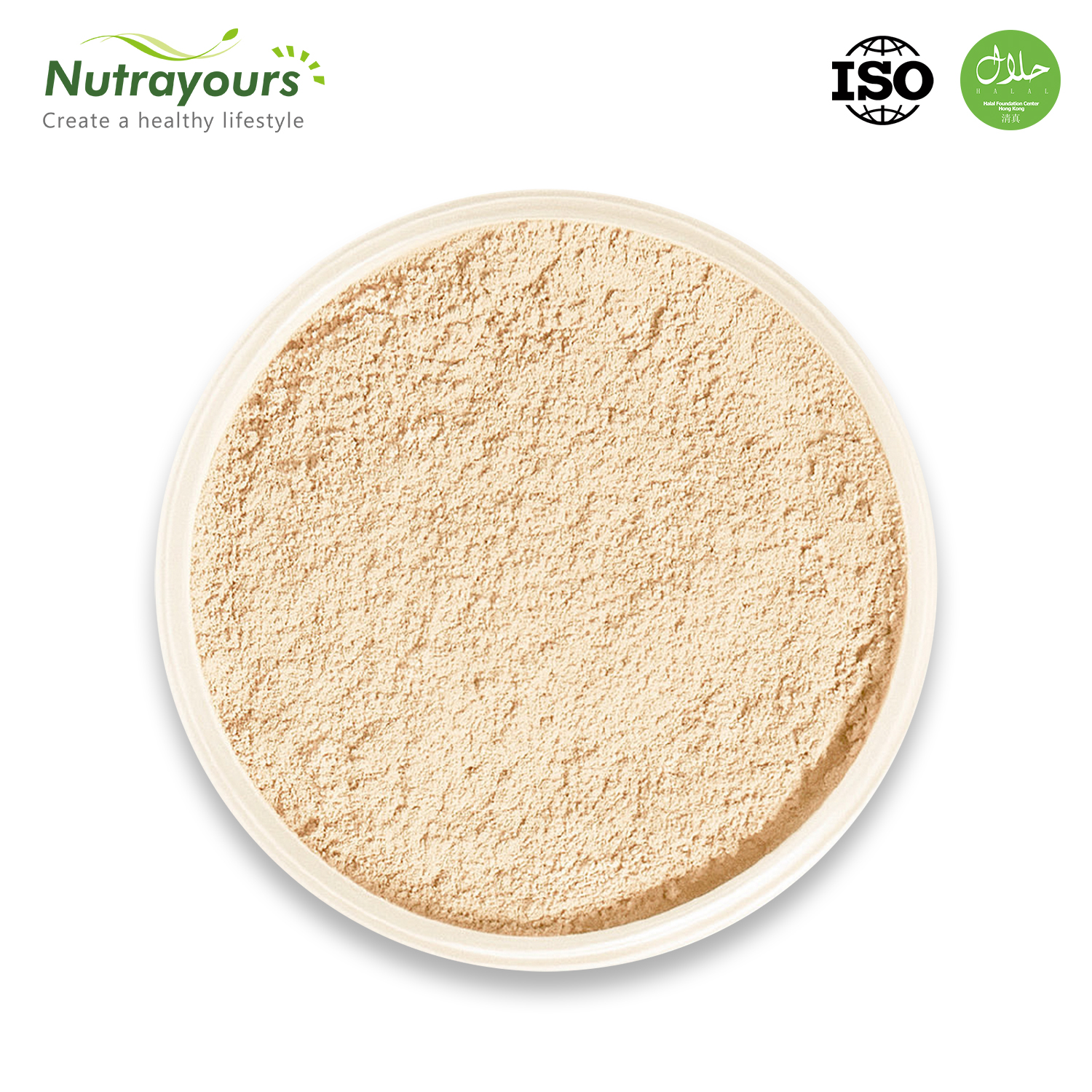
| Appearance | Fine brown yellow powder | ||
- 100% NATURAL PRODUCT: No artificial colors or flavors
- Verified herb identity, confirmed highest quality of raw materials and the extract
- Best natural sources of herbs and raw materials: Every vendor is carefully picked to meet our high standards
- Third-party lab tested, All natural Astragalus root extract

It has the function of enhancing immunity, enhancing energy, anti-fatigue, anti-mutation, protecting liver and inhibiting osteoclasts. Astragalus polysaccharide has the effect of lowering blood lipids, that is, lowering cholesterol and triglyceride and increasing high density lipoprotein. It can prevent and treat cardiovascular and cerebrovascular diseases, such as atherosclerosis, coronary artery disease, peripheral vascular disease and hyperlipidemia. Astragaloside can significantly reduce blood glucose, glycosylated hemoglobin and urinary protein, and reduce AGEs in renal cortex and serum, indicating that astragaloside has antioxidant effects, and has inhibitory effects on aldose reductase, as well as inhibiting mesangial cell proliferation and reducing renal hypertrophy. Adding appropriate excipients to astragaloside enables the production of oral preparations for preventing and treating diabetic nephropathy.
| Heavy Metals | |||
| Total Heavy Metals | ≤10ppm | Complies | USP<231>method III |
| Arsenic (As) | ≤2ppm | Complies | AAS(GB/T5009.11) |
| Lead (Pb) | ≤2ppm | Complies | AAS(GB/T5009.12) |
| Cadmium(Cd) | ≤0.2ppm | Complies | AAS(GB/T5009.15) |
| Mercury(Hg) | ≤0.2ppm | Complies | AAS(GB/T5009.17) |
| Pesticides | |||
| BHC | ≤0.1ppm | Complies | USP<467> |
| DDT | ≤1ppm | Complies | USP<467> |
| PCNB | ≤0.1ppm | Complies | USP<467> |
| Microbiology | |||
| Total Plate Count | ≤1000cfu/g | Complies | CP2010&USP |
| Total Yeast & Mold | ≤100cfu/g | Complies | CP2010&USP |
| E. Coli | Negative | Complies | CP2010&USP |
| Salmonella | Negative | Complies | CP2010&USP |
References:
1.Liu P, Zhao H, Luo Y.Aging Dis. 2017 Dec 1;8(6):868-886. doi: 10.14336/AD.2017.0816. eCollection 2017 Dec.PMID: 29344421
2.Liu X, Wang B, Sun Y, Jia Y, Xu Z.Cell Cycle. 2019 Nov;18(22):3147-3159. doi:
10.1080/15384101.2019.1669998. Epub 2019 Sep 29.Update in: Cell Cycle. 2023 Jan;22(1):146. doi:10.1080/15384101.2022.2151235.PMID: 31564208
3.Wei H, Ding L, Wang X, Yan Q, Jiang C, Hu C, Wang G, Zhou Y, Henkin Z, Degen AA.J Sci Food Agric. 2021 Jan 15;101(1):82-90. doi: 10.1002/jsfa.10617. Epub 2020 Jul 25.PMID: 32608134
4.Wang Y, Li J, Xuan L, Liu Y, Shao L, Ge H, Gu J, Wei C, Zhao M.Phytomedicine. 2018 Jul 15;46:32-38. doi: 10.1016/j.phymed.2018.06.031. Epub 2018 Jul 7.PMID: 30097120
5.D’Avino D, Cerqua I, Ullah H, Spinelli M, Di Matteo R, Granato E, Capasso R, Maruccio L, Ialenti A, Daglia M, Roviezzo F, Rossi A.Int J Mol Sci. 2023 Jun 30;24(13):10954. doi: 10.3390/ijms241310954.PMID: 37446131