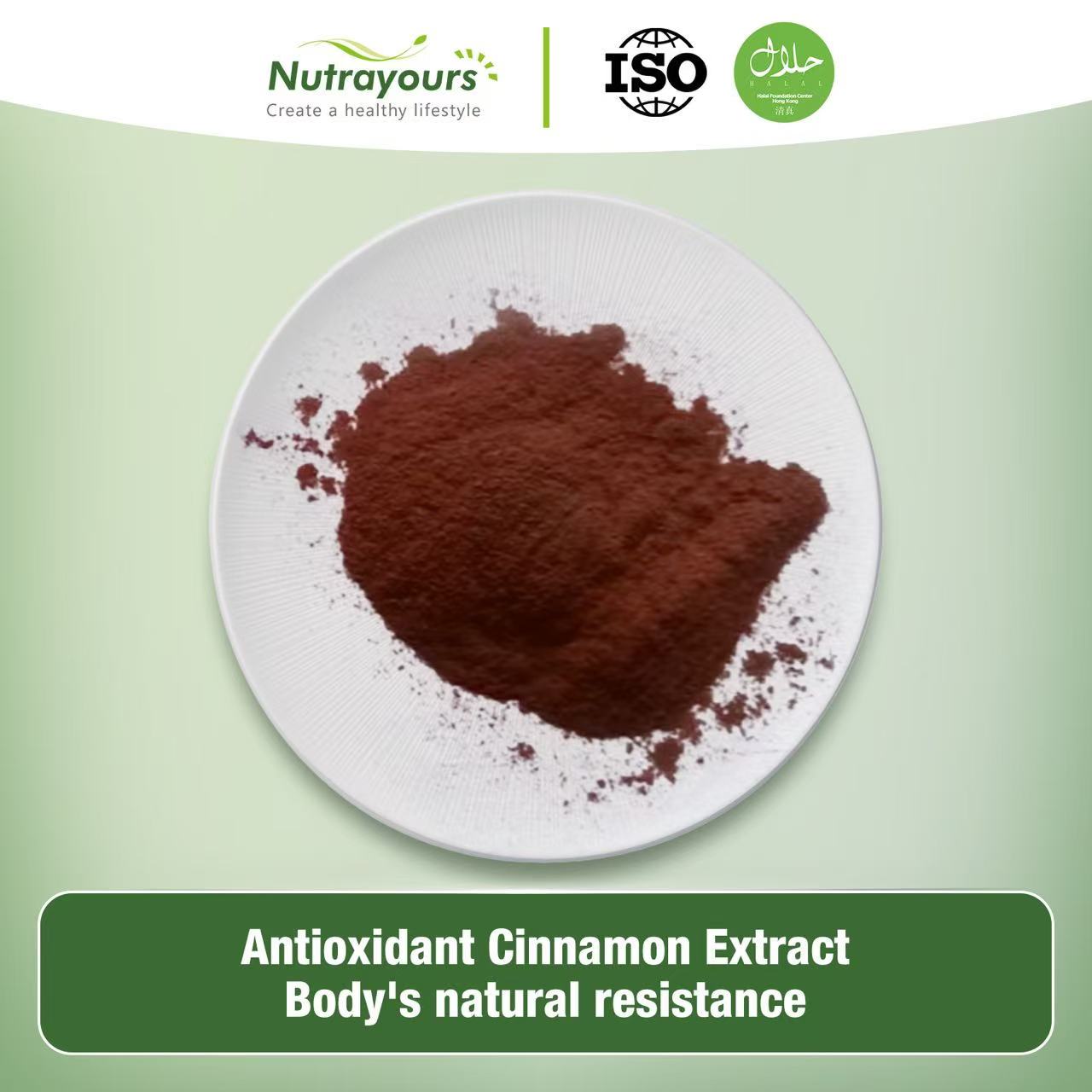
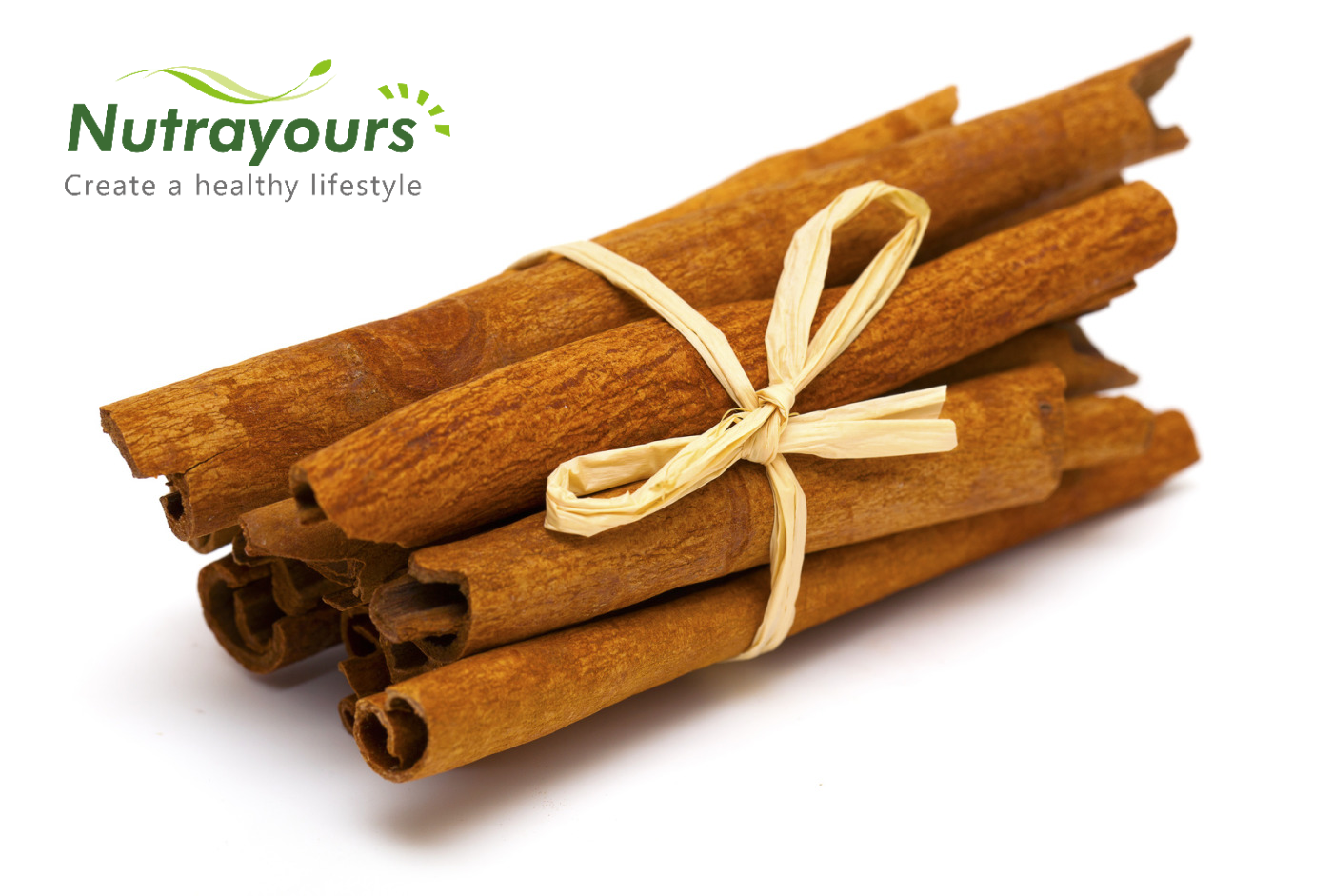
Product Name: Cinnamon Extract
Latin Name: Cinnamomum cassia.
Part of the Plant Used: Bark (Dry, 100% Natural)
Excipient & Ratio:20:1
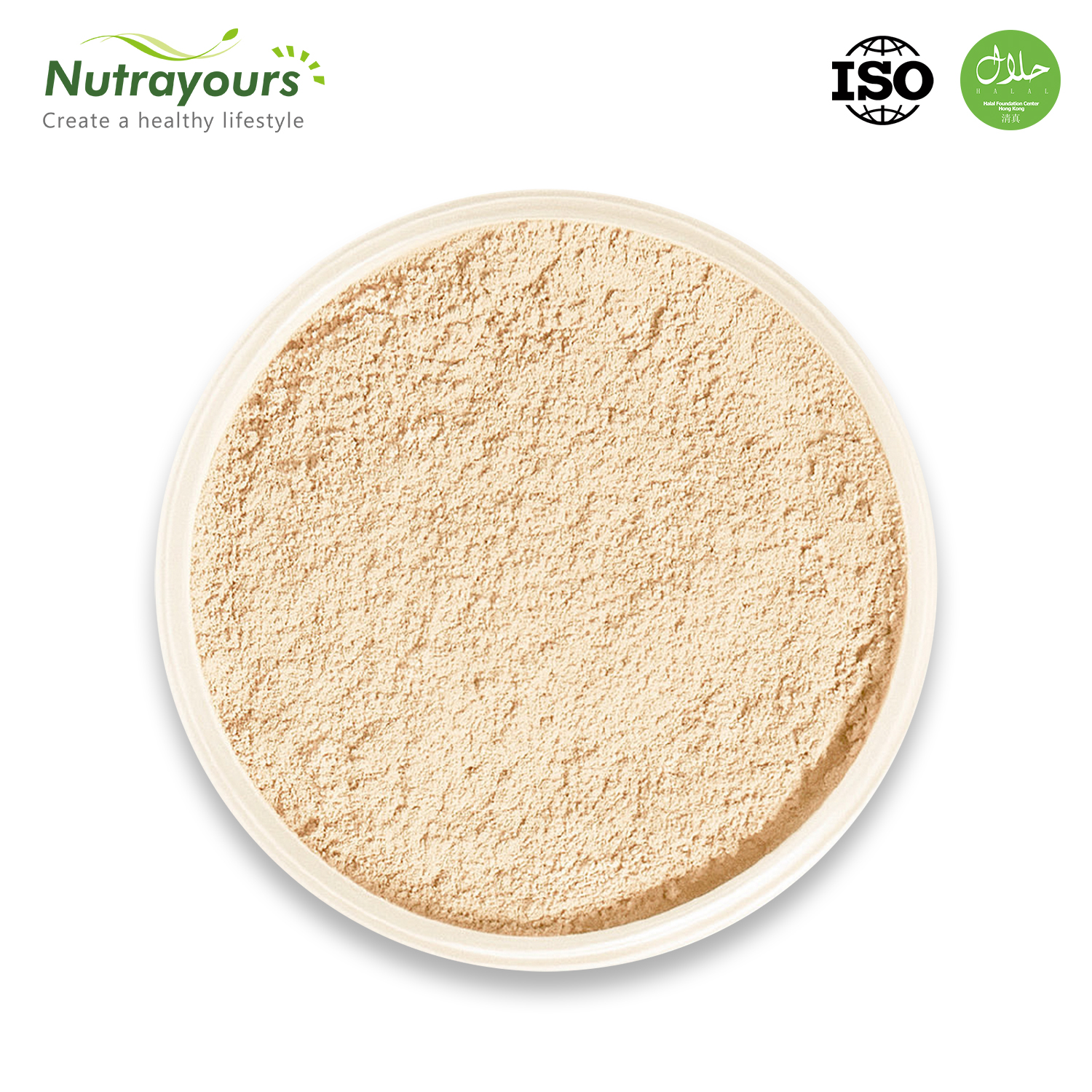
Appearance: Red-brown fine powder
Active Ingredient: Polyphenol
- 100% NATURAL PRODUCT: No artificial colors or flavors
- Verified herb identity, confirmed highest quality of raw herb and the extract
- Best natural sources of herbs and raw materials: Every vendor is carefully picked to meet our high standards
- Third-party lab tested, pure Cinnamon Polyphenols
- Cinnamon helps promote sugar metabolism when combined with a healthy diet and exercise program
Modern scientific studies indicate that cinnamon bark possesses free radical neutralizing properties and may help to support a healthy, balanced immune system response. Help promote normal blood pressure, standard heart circulation, and balanced cholesterol levels. Provides nutrition and beneficial gut flora to help digestion and balance sugar levels, while also assisting glucose metabolize in the liver.
As an antioxidant supplement ingredient, Cinnamon has a potent ability to help neutralize free radicals in the body and protect cells from damage.
Keywords: Antimicrobial activity; Cinnamon; Mechanisms of action; Multi-drug resistance; Synergism; Trans-cinnamaldehyde; Cinnamon, Glycaemic control, Type 2 Diabetes Mellitus.
| Heavy Metal | |||
| Lead (Pb) | ≤ 1.0mg/kg | Conforms | GB 5009.75 |
| Arsenic (As) | ≤ 1.0mg/kg | Conforms | GB 5009.76 |
| Cadmium (Cd) | ≤ 0.5mg/kg | Conforms | GB5009.15 |
| Mercury (Hg) | ≤ 0.5mg/kg | Conforms | GB 5009.17 |
| Microbiological | |||
| Total Plate Count | ≤ 1,000 cfu/g | Conforms | GB 4789.2 |
| Mold&Yeast | ≤ 100 cfu/g | Conforms | GB 4789.15 |
| E. coli | Negative | Negative | GB 4789.3 |
| Salmonella | Negative | Negative | GB4789.4 |
| Staphylococcus | Negative | Negative | GB4789.10 |
| Irradiation status | Non irradiated, No ETO treated, Negative by PSL screen test | ||
| GMO/BSE Status | Non-GMO, Free of BSE | ||
Function and efficacy

Cinnamon polyphenols have a number of potential health effects, including:
- Anti-inflammatoryCinnamon polyphenols may reduce inflammation and improve immune function by modulating macrophage function.
- Hypoglycemic and hypolipidemicCinnamon polyphenols may help treat diabetes by reducing blood sugar and lipids.
- Insulin sensitivityCinnamon polyphenols may improve insulin sensitivity and glucose control.
- Neurodegenerative diseasesCinnamon may help with neurodegenerative diseases like Alzheimer’s and Parkinson’s by inhibiting the buildup of tau protein in the brain.
Cinnamon polyphenols may also:
- Reduce hyperlipidemia, inflammation, and oxidative stress
- Restore pancreatic cell injury
- Attenuate cytotoxic effects in pancreatic cells
- Modulate transcription factors like SREBP-1c, LXRs, NF-κB, and Nrf2
- Modulate enzymes like ACLY and FAS

Cinnamon polyphenol has been reported to have several beneficial effects on obesity through the modulation of transcription factors including SREBP-1c, LXRs, NF-κB, and Nrf2 and several enzymes such as ACLY and FAS and insulin resistance, glucose, and lipid metabolism and antioxidant status.
References
1. Vasconcelos NG, Croda J, Simionatto S. Antibacterial mechanisms of cinnamon and its constituents: A review. Microb Pathog. 2018;120:198-203. doi:10.1016/j.micpath.2018.04.036
2. Sharma S, Mandal A, Kant R, Jachak S, Jagzape M. Is Cinnamon Efficacious for Glycaemic Control in Type-2 Diabetes Mellitus?. J Pak Med Assoc. 2020;70(11):2065-2069.
3. Ranasinghe, Priyanga et al. “Medicinal properties of ‘true’ cinnamon (Cinnamomum zeylanicum): a systematic review.” BMC complementary and alternative medicine vol. 13 275. 22 Oct. 2013, doi:10.1186/1472-6882-13-275
4. Sadeghi S, Davoodvandi A, Pourhanifeh MH, et al. Anti-cancer effects of cinnamon: Insights into its apoptosis effects. Eur J Med Chem. 2019;178:131-140. doi:10.1016/j.ejmech.2019.05.067