


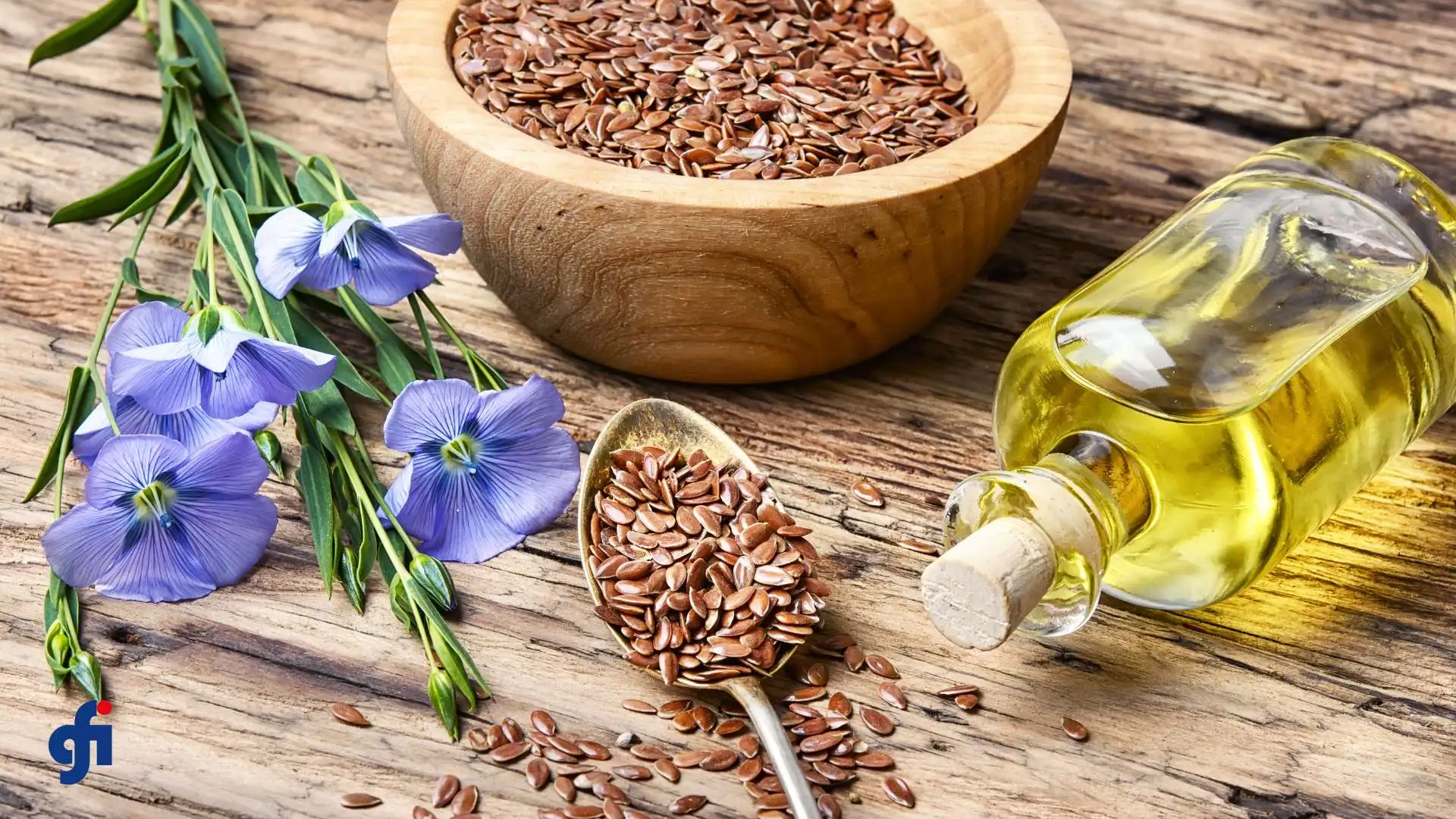
Product Name: Flaxseed Oil
Latin Name: Linum usitatissimum L.
Part of the Plant Used: Seeds
Appearance: Clear, pale yellow to yellow oil
- 100% NATURAL PRODUCT: No artificial colors or flavors
- Verified herb identity, confirmed the highest quality of raw herb, and the extract
- Best natural sources of herbs and raw materials: Every vendor is carefully picked to meet our high standards
- Third-party lab tested, pure Flaxseed oil
Flaxseed (Linum usitatissimum) and flaxseed oil, which comes from flaxseed, are rich sources of the essential fatty acid alpha-linolenic acid — a heart-healthy omega-3 fatty acid. Flaxseed is high in soluble fiber and lignans, which contain phytoestrogens. Similar to the hormone estrogen, phytoestrogens might have anti-cancer properties. Flaxseed oil doesn’t have these phytoestrogens.
Flaxseed oil has many potential health benefits, including:
- Heart health: Some studies suggest that flaxseed oil may help with heart disease and lower blood pressure.
- Cholesterol: Flaxseed oil may help lower total and LDL cholesterol levels.
- Diabetes: Flaxseed may help lower blood sugar levels in people with type 2 diabetes.
- Cancer: Flaxseed is a good source of lignans, which may lower the risk of some types of cancer, especially breast and prostate cancer.
- Digestion: Flaxseed is high in fiber, which can help with digestion and constipation.
- Inflammation: Flaxseed oil contains alpha-linolenic acid (ALA) and other chemicals that may reduce swelling. Some people use flaxseed oil for conditions like rheumatoid arthritis.
- Skin and hair: Flaxseed oil contains fatty acids that may improve skin texture and elasticity, and help with eczema.
- Dry eyes: Flaxseed oil may help lubricate eyes and improve dry eye comfort.
What the research says
Research on the use of flaxseed and flaxseed oil for specific conditions shows:
- Heart disease. Some studies suggest that alpha-linolenic acid, which is found in flaxseed and flaxseed oil, might benefit people with heart disease. Early research also suggests that flaxseed might help lower high blood pressure, which plays a role in heart disease.
- Cholesterol levels. Several studies show that taking flaxseed daily can reduce total cholesterol and low-density lipoprotein (LDL, or “bad”) cholesterol levels. However, other studies aren’t as favorable.
- Diabetes. Taking flaxseed might lower blood sugar levels in people with type 2 diabetes. However, the same results haven’t been found for flaxseed oil.
- Menopausal symptoms. Results have been mixed when it comes to the use of flaxseed and the treatment of menopausal symptoms.