Are There Any Recommended Pesticide-Free Ginseng Extract Raw Materials That Meet EC 396 Standards?
The “pesticide-free ginseng extract that meets EC 396” commonly referred to in the plant extract industry means that the test results of all pesticide residue items are below the instrument detection limit (<0.01mg/kg), that is, “no quantitative detection” under conventional testing, not absolute zero residue in the chemical sense. NL Company’s pesticide-free series of ginseng extract products fully meet the professional requirements of being pesticide-free and complying with EU EC 396 pesticide residue limits, making them highly adaptable raw material choices for the EU and global compliance markets.
The EC 396/2005 standard does not require absolute “zero pesticide residues”, but low pesticide residues cannot pass arbitrarily. It implements the world’s strictest Maximum Residue Limit (MRL) rules for pesticides. The EC 396 regulation does not mandate that all pesticides be completely free of detection. Instead, it sets clear maximum residue limits for hundreds of pesticide-food combinations. The vast majority of pesticides not explicitly specified in the annexes of the regulation automatically apply the default limit of 0.01mg/kg, a value that is already close to the instrument detection limit of conventional laboratories.
Ginseng extracts in the industry can be clearly divided into three levels according to pesticide residue control levels: ordinary pesticide residue compliant grade, low pesticide residue grade, and pesticide-free EC396 grade. The differences between the three from the raw material end to the finished product end are completely distinct:
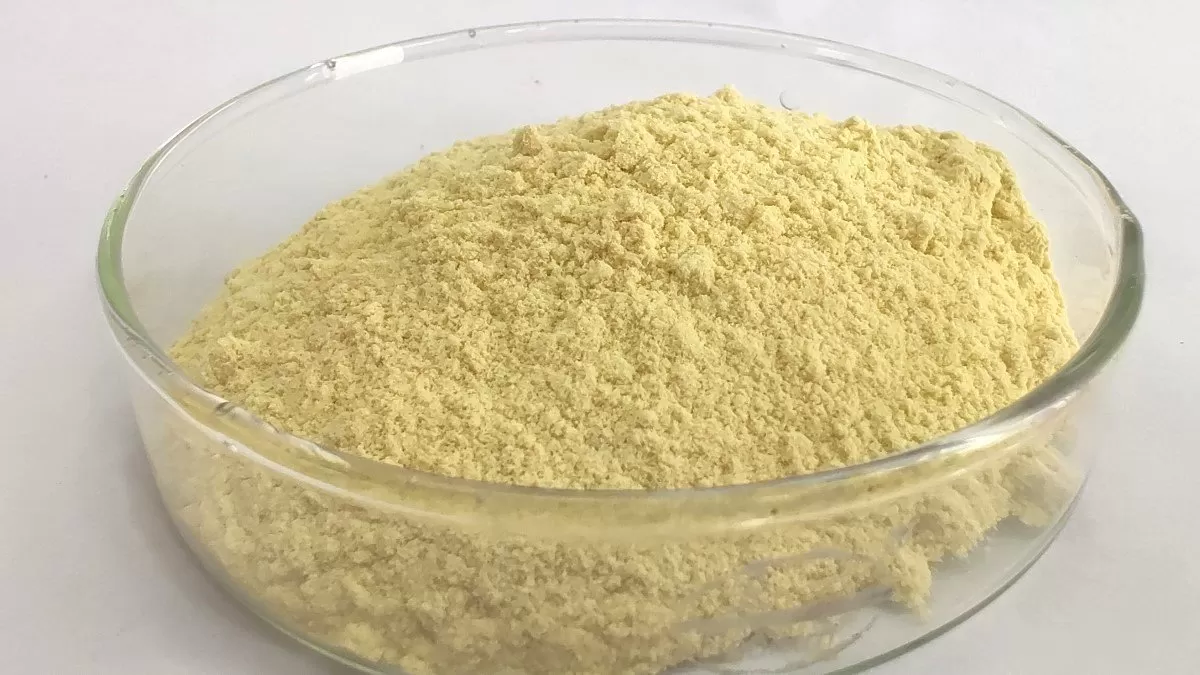
Ordinary ginseng extract: The raw materials come from ginseng planted in ordinary farmland, without targeted pesticide residue control. It only meets the basic pesticide residue limits for food grade in China, and the pesticide residue indicators of some batches are close to the red line of the national standard, with the lowest cost. This type of product can only meet the basic needs of ordinary food and low-end compressed candy in some markets, and cannot pass the strict pesticide residue audits of overseas markets such as the European Union and North America at all.
Low pesticide residue ginseng extract: The raw materials select ginseng from standardized planting bases. Basic pesticide residue removal steps are added during the production process. The pesticide residue indicators are far lower than the Chinese national standard, but still do not meet the full-item limit requirements of the EU EC 396/2005 regulation. The production cost is 30%-50% higher than that of the ordinary grade. This type of product can be used in some export scenarios with low pesticide residue requirements, but there is still a risk of interception during EU customs clearance.
Pesticide-free EC396 grade ginseng extract: Closed-loop control of pesticide residues is implemented throughout the entire chain from the source of raw materials to the finished product leaving the factory. The test results of all high-risk pesticide residue items in the final finished product are “not detected”, fully complying with the strict limit requirements of the EU EC 396 regulation. It is currently the highest compliance grade ginseng extract product, and the raw material cost is 2-3 times that of the ordinary grade, with a higher premium for highly concentrated specifications.
Underlying Reasons for the Emergence of the Three Specifications
The differentiation of products with different pesticide residue levels is essentially directly driven by the differences in compliance thresholds of downstream markets:
- The pesticide residue limit requirements for the domestic ordinary food and health product markets are relatively loose. Ordinary grade products can fully meet the demand and have obvious cost advantages, so they have become the mainstream choice in the Chinese market.
- The pesticide residue requirements in some emerging export markets in Southeast Asia and the Middle East are between those of China and the European Union, which has given rise to low pesticide residue grade products that balance compliance and cost.
- The EU EC 396/2005 regulation has more than hundreds of pesticide residue limits for plant-derived raw materials, and the limit value of some pesticides is as low as 0.01mg/kg. Ordinary grade and low pesticide residue grade products can hardly pass, so pesticide-free EC396 grade products with full-chain control have been specially created to serve brands that are expanding into high-end compliance markets in the European Union and North America.
Cost Breakdown of Different Grades
The cost gap does not come from a simple purification step, but is superimposed by additional investments in the entire chain:
- The cost of ordinary grade products only includes three links: raw material procurement, conventional extraction, and basic testing, with no additional investment in pesticide residue control.
- Low pesticide residue grade products need to add three additional links: premium for raw materials from standardized bases, basic pesticide residue removal processes, and initial pesticide residue screening tests, which directly increases the overall cost.
- The cost of pesticide-free EC396 grade products is superimposed with multiple high-cost links such as premium for organic planting bases, full-chain targeted pesticide residue removal processes, full-item GC-MS pesticide residue scanning for each batch, and third-party SGS compliance reports. The final total cost is 2-3 times that of ordinary grade products, and the cost gap for the highly concentrated 50:1 specification will be further widened.