What are the spray-drying process parameters for water-extracted corn silk extract?
From a professional perspective, for the water extraction and spray-drying process of corn silk extract, I usually break it down into four stages: extraction – concentration – atomization drying – collection. The parameters of each stage directly affect the retention rate of active components such as polysaccharides and flavonoids, powder yield and solubility of the final finished product.
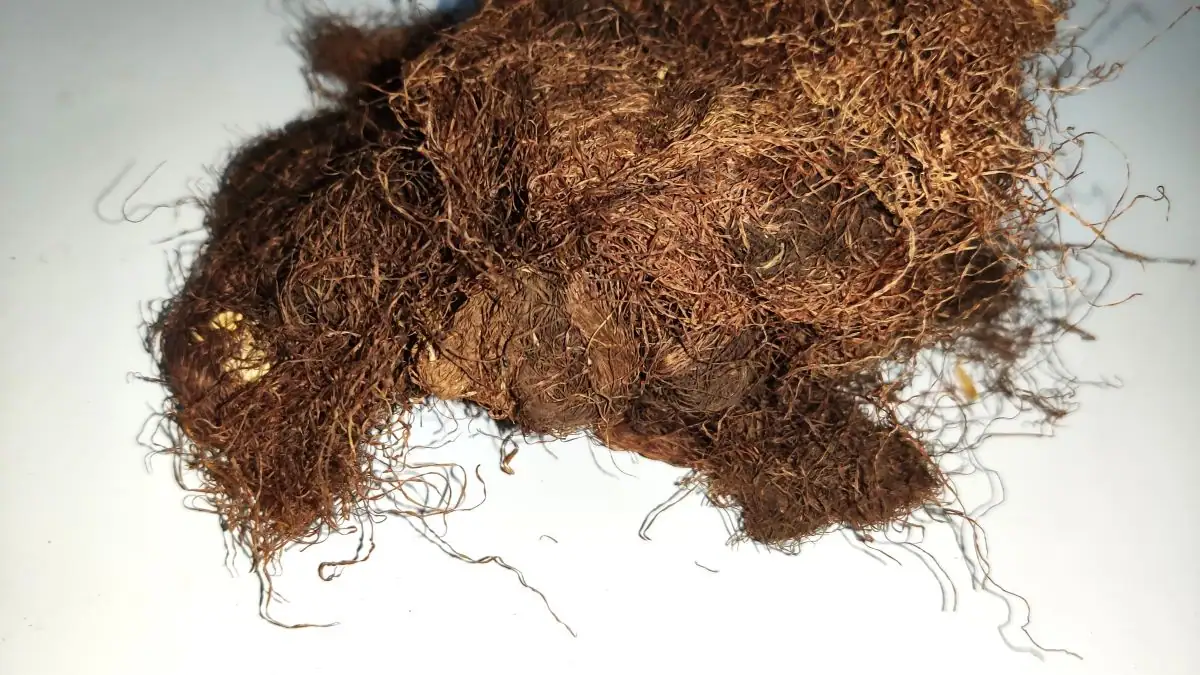
First, the extraction end. The most conventional practice in the corn silk water extraction industry is to add 8 to 10 times the amount of purified water, perform boiling extraction in the temperature range of 55 to 65°C, generally twice, 1 to 2 hours each time. Our team has also optimized it through orthogonal experiments: when decocting three times for 1 hour each time, adding 14 times the amount of water, and finally using 60% ethanol concentration for alcohol precipitation, the polysaccharide extraction rate can reach about 4.87%. Some enterprises adopt the method of two boiling extractions: 9 times the amount of water for the first time and 8 times the amount of water for the second time, combine the filtrates, pass through a 600-mesh filter cloth, then cool down to below 40°C and enter the ultrafiltration stage. Here is a key point: before the extract enters the spray drying tower, pretreatment must be carried out first: remove insoluble substances by plate-and-frame filtration, then concentrate under reduced pressure to a thermal specific gravity of 1.15 to 1.20. If the solid content concentration is too low, the energy consumption after entering the tower will be extremely high, and the powder yield cannot be increased.
Next is the spray drying itself. This is the core of the entire process. The optimal process parameters we have practiced are: inlet air temperature 160 to 190°C, preferably 180°C; feed rate 20% (referring to the solid content concentration of the feed liquid); outlet air temperature 75 to 85°C, preferably 80°C. This outlet air temperature is actually the key to controlling the final moisture content – if the outlet air temperature is too low, the finished product is prone to moisture absorption and caking; if it is too high, it means excessive drying, which wastes energy consumption and increases the loss of heat-sensitive components; air flow rate is 800 liters per hour. Under these conditions, the mass fraction of total flavonoids in the finished product is about 0.14%, total polysaccharides about 2.71%, moisture 5.81%, and powder yield 91.33%. This powder yield is quite high, indicating good process stability.
Several practical operation points are supplemented from the equipment principle level. During spray drying, the extract is broken into micron-sized droplets by a high-speed centrifugal atomizer, which contacts with hot air in parallel flow, and evaporates 95% to 98% of the moisture within a few seconds. The inlet air temperature is generally between 160 and 200°C, but since corn silk extract contains heat-sensitive components such as polysaccharides and part of flavonoids, it is usually not recommended to exceed 190°C. In addition, corn silk extract has a considerable sugar content, so it is very easy to stick to the wall and coke during the drying process. The commonly used industrial solution is to add maltodextrin or β-cyclodextrin as a drying aid to the feed liquid to raise the glass transition temperature; jacket cooling of the tower wall and air hammer wall sweeping are also conventional means.
Finally, the finished product indicators. The dry powder of corn silk extract produced by this set of processes is usually a fine brown-yellow powder, passing through an 80 to 120-mesh sieve, with moisture controlled between 5% and 6%. The total flavonoid content can range from a few percent to more than ten percent depending on the concentration ratio. If it is a 10:1 specification product, this process route can basically cover the whole process from raw material feeding to finished product output.
In general, inlet air at 180°C, outlet air around 80°C, and feed liquid concentrated to a thermal specific gravity of about 1.18 are the recognized parameter ranges for this product by our NL technical team at present. Of course, according to the moisture content and polysaccharide proportion of each batch of raw materials, different specifications still require small-scale tests for fine-tuning.