What is the recommended dosage of corn silk extract in functional drinks designed to lower uric acid levels?
When customers ask us how much corn silk extract they should add to a drink designed to lower uric acid levels, I don’t usually just throw out a figure straight away; instead, I first help them understand the whole reasoning behind it.
1. Basic Reference Dosage (Calculated Based on maize silk Raw Material)
Existing research and clinical observations provide the following key data:
| Source/Form | Recommended Dosage | Notes |
|---|---|---|
| Dried corn silk soaked in water (traditional tea) | 10-15 g/day | 1-2 times daily, assess after 1-2 weeks of continuous use |
| Animal experiments (extract gavage) | 100 mg/kg·d | Rat model, 4 consecutive weeks, serum uric acid reduced by 18.3% |
| Some clinical observations | 15 g/day (dried product soaked in water) | 8-week intervention, average serum uric acid reduction of 12.5% (small sample size, for reference only) |
| Upper limit of dried corn silk (health tea) | 30 g/day | Relatively high dose, use with caution |
In the traditional tea mode, 10-15 g of dried corn silk per day is the “golden range”; the dosage of extract form needs to be substantially converted due to its high concentration.
2. Dosage Conversion from “Dried Raw Material” to “Functional Beverage Extract”
What is added to functional beverages is corn silk extract (concentrate), not the raw herb, so a concentration conversion is necessary:
Key Parameters
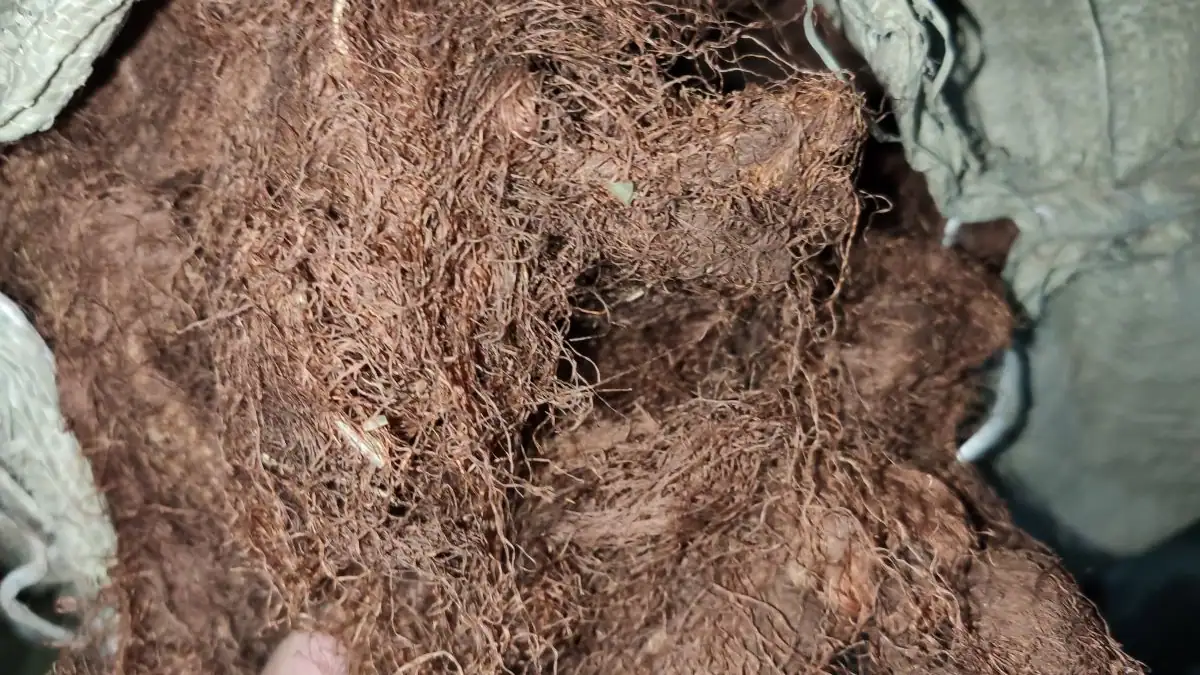
- Common extract specifications: Corn silk extract is usually 5:1-10:1 (that is, 5-10 kg of dried product yields 1 kg of extract), with variations among different manufacturers and processes.
- Target active ingredients: Flavonoids (especially quercetin), polysaccharides, saponins. In animal experiments, the key indicator of efficacy is that quercetin can reduce xanthine oxidase activity by over 30%.
Conversion Logic
| Assumed Extraction Ratio | Daily Equivalent to 10-15 g Dried Product | Estimated Extract Dosage per Serving |
|---|---|---|
| 5:1 | 10-15 g dried product ≈ 2-3 g extract | If per bottle/serving 300 mL, about 200-500 mg/serving |
| 10:1 | 10-15 g dried product ≈ 1-1.5 g extract | If per bottle/serving 300 mL, about 100-300 mg/serving |
Common Addition Range in Functional Beverages (Industry Reference)
Based on a comprehensive inference from existing functional food formulation experience and literature data:
- Conservative dose: Add 50-200 mg of corn silk extract per serving (250-500 mL) (approximately 5:1 specification)
- Moderate dose: Add 200-500 mg of corn silk extract per serving
- Upper limit recommendation:Should not exceed 800 mg per serving (approximately equivalent to over 15 g of dried product, safety needs to be considered)
3. Key Professional Considerations
Efficacy Verification Evidence
A 2020 study published in China Journal of Chinese Materia Medica showed: administering corn silk extract at 100 mg/kg·d to hyperuricemic rats for 4 weeks resulted in an 18.3% reduction in serum uric acid, a significant increase in urinary uric acid excretion, and no hepatorenal toxicity.
A 2022 study in Chinese Archives of Traditional Chinese Medicine with a small sample of 30 subjects: soaking 15 g of dried product in water daily for 8 weeks led to an average 12.5% reduction in serum uric acid, but lacked a control group, so the strength of evidence is limited.
Core reminder: Currently, human clinical studies have small sample sizes and lack large-scale randomized controlled trials. The uric acid-lowering effect of corn silk extract is “mild and limited” and cannot replace medication.
Safety Boundaries
| Risk Factor | Explanation |
|---|---|
| Electrolyte imbalance | Corn silk has a relatively strong diuretic effect; long-term/excessive use may lead to hypokalemia, requiring regular monitoring |
| Contraindicated in renal insufficiency | Those with eGFR < 60 mL/min should use with caution/be prohibited, as it may increase kidney burden |
| Hypotension/hypoglycemia populations | Corn silk may mildly lower blood pressure and blood sugar; monitoring is required |
| Pregnant, lactating women, children | Lack of safety data; not recommended for products targeting these populations |
Regulations and Product Positioning
- If as a general food/functional beverage: must comply with food safety standards, the addition amount should be within a safe range, and disease treatment claims such as “lowering uric acid” are not allowed (restricted by advertising law/food safety law).
- If applying for health food (Blue Hat certification): must provide functional evaluation and toxicological safety data; the daily recommended amount must be determined through approval, and it is usually lower than the equivalent dried product dosage in traditional tea.
Summary Recommendations
| Dimension | Recommendation |
|---|---|
| Dried product equivalent | Control daily intake within the equivalent of 10-15 g of dried product |
| Extract addition amount (5:1 specification) | About 100-500 mg per serving, daily total not exceeding the equivalent of 15 g of dried product |
| Product form | Recommend compounding with other supporting ingredients (such as chicory extract, gardenia extract, etc.) and conducting proper efficacy verification |
| Labeling and claims | Avoid medical claims; position as “auxiliary regulation” type functional beverage; include “does not replace medication” notice |
| Verification requirements | Recommend conducting human feeding trials or commissioning third-party testing to clarify the effective dosage range |
From a professional perspective, the recommended addition amount of corn silk extract in uric acid-lowering functional beverages should be capped at the equivalent of 10-15 g of dried product per day, which converts to approximately 100-500 mg per serving (300 mL) for concentrated extract (5:1 specification), but this must be premised on safety evaluation and regulatory compliance, and the product should be clearly positioned as “auxiliary” rather than therapeutic.