Can Extracts of Rosemary (E 392) Be Used as a Food Additive?
Official Compliance Recognition by Core Global Regulatory Bodies
EU EFSA: Since 2008, extracts of rosemary have been formally included in the food additive catalogue and assigned the number E 392. Its application scenarios have been expanded for many times afterwards. A new version of the limit standard will be implemented on November 1, 2026, which reduces the maximum usage level in special foods such as infant formula by 30% to 50%.
US FDA:Rosemary extract is listed as a GRAS (Generally Recognized As Safe) substance, allowing its compliant use as a natural antioxidant in all kinds of foods without additional strict access barriers.
JECFA (Joint FAO/WHO Expert Committee on Food Additives): It completed the safety assessment in 2016, and set a temporary Acceptable Daily Intake (ADI) of 0–0.3 mg/kg body weight, calculated based on the total amount of carnosic acid and carnosol.
China GB 2760: Rosemary extract is clearly included in the list of permitted natural antioxidants, with its application scenarios restricted to categories such as animal and vegetable oils, meat products and fried foods.
Health Canada: It released an official announcement in December 2025, proposing to formally approve rosemary extract as a preservative/antioxidant for use in multiple food categories including biscuits, dehydrated potato products and snack bars. The public consultation period ended in February 2026, and the regulation is about to be officially implemented.
Core Safety Assessment Conclusions
The core active markers are carnosic acid, carnosol (fat-soluble) and rosmarinic acid (water-soluble). In industrial production, it is extracted with compliant solvents such as ethanol, and safety indicators including heavy metals, pesticide residues and microorganisms must be strictly controlled.
- Under the conventional addition dosage in food industry, the content is far below the ADI limit set by JECFA, with no clear health risks.
- Its antioxidant efficiency is 2 to 4 times that of the synthetic antioxidant BHT, and it can withstand high-temperature processing above 180°C.
Notes for special groups: High-concentration extracts may cause mild irritation to the gastrointestinal mucosa. People with allergic constitutions face an extremely low probability of contact dermatitis or respiratory allergy risks. Special groups such as pregnant women should avoid excessive intake.
Core Notes for Global Compliant Use
- Active Ingredient Labeling Rule: All compliant products must take the total amount of carnosic acid and carnosol as the measurement standard for active ingredients, and the maximum usage level in different jurisdictions is calculated based on this indicator.
- 2026 New EU Regulation: The new version of limits, which will be mandatorily enforced on November 1, has significantly tightened the usage requirements for special foods such as infant formula and plant-based dairy products. Enterprises exporting to the EU need to adjust formulas and update compliance documents in advance to avoid customs clearance obstacles.
- Strictly Prohibit Over-scope Use: The permitted food categories vary in different countries and regions. It is necessary to strictly correspond to the local food additive catalogue, and no illegal addition is allowed in unapproved food categories.
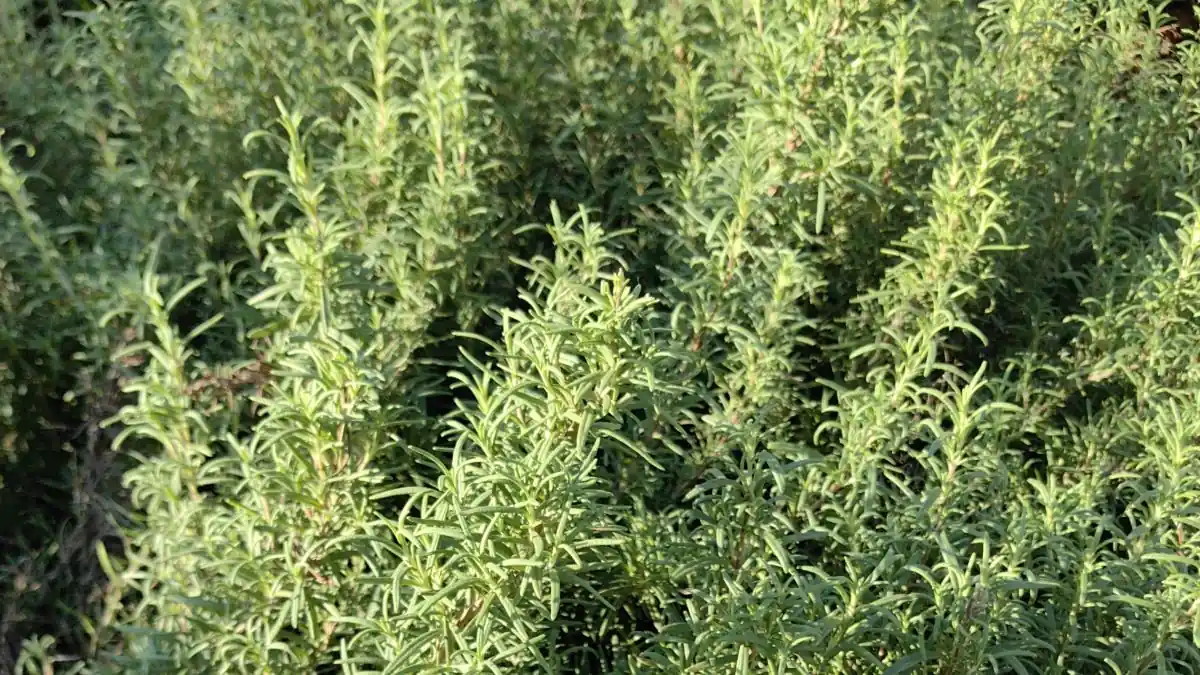
Rosmarinus Officinalis (Rosemary)
Extracts of rosemary (E 392) is currently one of the most widely recognized natural plant-derived food antioxidants worldwide. Its safety under compliant use has been verified by mainstream global authoritative institutions for decades, and the market trend of completely replacing traditional synthetic antioxidants is taking shape rapidly.