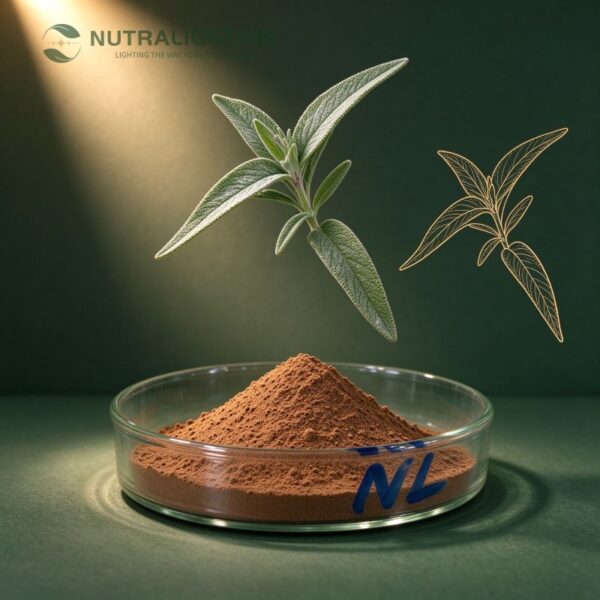
Product Description
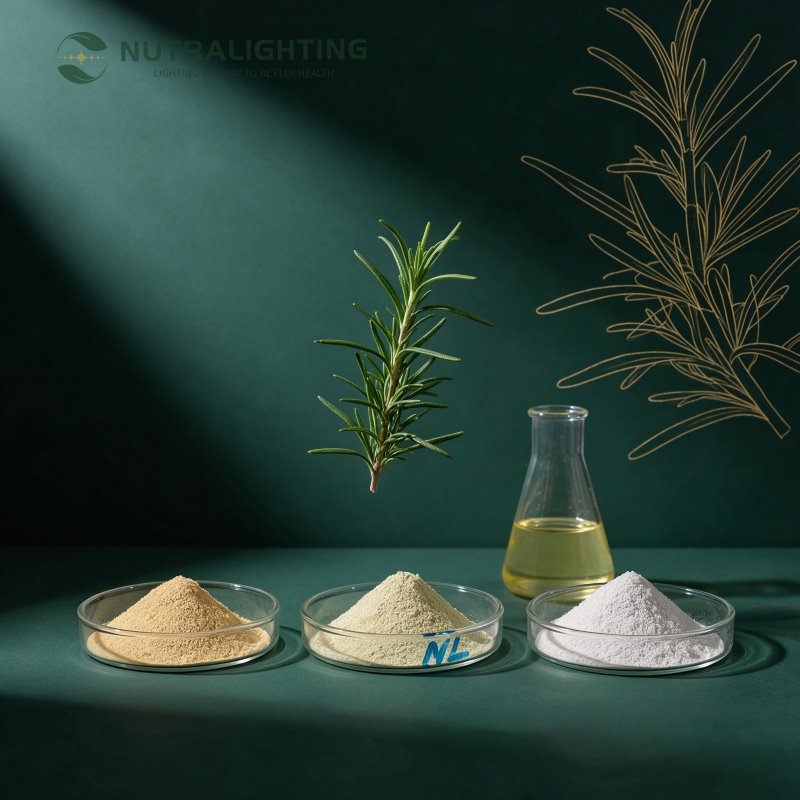
Targeting clean-label food preservation, antioxidant supplements, and personal-care formulations. We supply the full rosemary line – rosmarinic acid 5%-98%, carnosic acid 5%-98%, ursolic acid 90%-98%, and rosemary essential oil.
Basic Information
| Item | Content |
|---|---|
| Product Name | Rosemary Extract |
| Botanical Name | Salvia rosmarinus Spenn. (syn. Rosmarinus officinalis L.) |
| English Common Name | Rosemary leaf extract; rosemary essential oil |
| Plant Family | Lamiaceae (mint family), genus Salvia |
| Part Used | Leaf |
| Key Marker Compounds | Rosmarinic acid (CAS 20283-92-5); carnosic acid (CAS 3650-09-7); ursolic acid (CAS 77-52-1) |
| Specifications | Rosmarinic acid and carnosic acid 5%-98% by HPLC; ursolic acid 90%-98%; essential oil by GC |
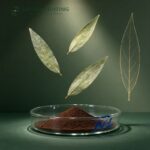
| Appearance | Light-yellow to brown fine powder (extracts); pale liquid (essential oil) |
| Mesh Size | 80 mesh (powder extracts) |
| Extraction Solvent | Ethanol (extracts); steam distillation (essential oil) |
| Shelf Life | 24 months in sealed original packaging |
| Target Market | Food preservation, dietary supplements, cosmetics, and aromatherapy |
| Core Application Areas | Clean-label antioxidant protection, digestive herbal products, skin-care and fragrance formulations |
Product Range and Typical Specifications
| Product Line | Marker / Profile | Typical Grades | Solubility / Format |
|---|---|---|---|
| Rosemary Extract – rosmarinic acid line | Rosmarinic acid, HPLC | 5%, 10%, 20%, 98% | Water-dispersible powder |
| Rosemary Extract – carnosic acid line | Carnosic acid, HPLC | 5%, 10%, 20%, 98% | Oil-soluble powder or resin |
| Ursolic Acid | Ursolic acid, HPLC | 90%, 95%, 98% | Fine powder |
| Rosemary Antioxidant (food grade) | E392 / GB 2760 raw material | Custom activity levels | Oil-soluble resin, liquid, or dispersible powder |
| Rosemary Essential Oil | GC profile: 1,8-cineole 38-55%, camphor 13-21% | Steam-distilled, CAS 8000-25-7 | Volatile essential oil |
Product Description
Rosemary Extract covers the full ingredient line from Salvia rosmarinus Spenn. This species was formerly named Rosmarinus officinalis L. It belongs to the family Lamiaceae. As an export-oriented extract manufacturer, we supply standardized powders, a food-grade antioxidant, and steam-distilled essential oil.
One botanical note: rosemary is not common sage. Common sage is Salvia officinalis, a different Lamiaceae species. It also contains rosmarinic acid. Our raw material is rosemary leaf only. Please also distinguish the extracts from rosemary essential oil. The extracts are standardized on phenolic or triterpene markers. The essential oil is a separate volatile product.
Three marker lines define the standardized powders. Rosmarinic acid grades serve water-dispersible formulas. Carnosic acid grades serve oil-soluble formulas. Ursolic acid reaches 90% to 98% purity. The food-grade antioxidant line follows E392 and GB 2760. The essential oil ships with a full GC report. Each batch carries a certificate of analysis.
Active Constituents
Rosemary leaf contains phenolic acids, diterpene phenolics, and triterpenes. Rosmarinic acid is the principal water-soluble marker. Carnosic acid and carnosol drive the fat-soluble antioxidant activity. Ursolic acid is the main triterpene marker.
| Constituent | CAS No. | Molecular Formula | Molecular Weight |
|---|---|---|---|
| Rosmarinic acid | 20283-92-5 | C18H16O8 | 360.31 |
| Carnosic acid | 3650-09-7 | C20H28O4 | 332.43 |
| Carnosol | 5957-80-2 | C20H26O4 | 330.42 |
| Ursolic acid | 77-52-1 | C30H48O3 | 456.70 |
| Total polyphenols (Folin-Ciocalteu) | – | – | – |
| Total flavonoids (NaNO2-AlCl3) | – | – | – |
Total polyphenols and total flavonoids are reported for each batch. Both are measured by UV-based reference methods. The essential oil is a separate steam-distilled product. Its composition is reported by GC analysis.
Mechanism of Action
The mechanisms below combine established food science with preclinical research. Human clinical evidence remains limited.
Phenolic Antioxidant Activity
Rosmarinic acid scavenges free radicals and chelates pro-oxidant metal ions. This water-soluble action supports foods and supplements. It is the core rationale for the rosmarinic acid grades.
Lipid Antioxidant Protection
Carnosic acid and carnosol donate hydrogen atoms to peroxyl radicals. This chain-breaking action slows lipid oxidation. Published trials show protection in bulk oils and emulsions. This is the most established function of rosemary extract.
Nrf2 Pathway Activation
Laboratory studies show carnosic acid can activate the Nrf2 pathway. Nrf2 regulates cellular defense against oxidative stress. Most evidence comes from cell and animal models. Human outcomes are not established.
Anti-Inflammatory Research Notes
Rosmarinic acid has been studied for inflammatory signaling. Proteomics work linked carnosic acid to NF-κB, MAPK, and FoxO pathways. Reviews also discuss effects on the NLRP3 inflammasome. These are preclinical findings. They support no disease claim for this ingredient.
Traditional Digestive Use
The EMA herbal monograph recognizes traditional oral use. Mild digestive discomfort and gastric spasms are the cited indications. These are traditional, well-established uses.
Topical and Bath Tradition
Rosemary leaf baths are traditionally used externally. The monograph cites mild muscle and joint discomfort. Improved peripheral circulation sensation is also described traditionally. The essential oil serves diluted fragrance and aromatherapy use.
Traditional and Modern Use
Mediterranean and European Tradition
Rosemary is a classic Mediterranean culinary herb. Herbal traditions used leaf tea for digestion. Aromatic baths were taken for muscle comfort. This heritage spans European folk medicine.
Official Traditional Recognition
The EMA HMPC maintains a herbal monograph for rosemary leaf. It recognizes traditional oral and topical bath use. The Chinese Pharmacopoeia does not list rosemary. It circulates in China mainly as a culinary herb.
Modern Industrial Use
Food makers use rosemary extract as a clean-label antioxidant. It protects oils, snack foods, and meat products. Supplement brands use rosmarinic acid standardized powders. Cosmetic formulators value its antioxidant positioning.
China Production Base
China runs large-scale rosemary cultivation and extraction. Yunnan and Hunan hold major planting and processing bases. Rosemary leaf extract and essential oil are established export commodities.
Regulatory Status
| Region | Status | Notes |
|---|---|---|
| China | Food additive antioxidant under GB 2760; culinary herb | Approved scopes and limits follow GB 2760; rosemary is not a Chinese Pharmacopoeia medicine |
| European Union | Approved food antioxidant E392 (Regulation 1333/2008) | EFSA published a refined exposure assessment in 2018; EMA monograph covers leaf traditional use |
| United Kingdom | Food antioxidant and traditional herbal use context | Finished-product claims must follow UK food and herbal rules |
| United States | GRAS as spice and herb seasoning (21 CFR 182.10); FEMA 2991 flavoring; DSHEA supplement ingredient | Concentrated supplement use follows the DSHEA path; structure-function claims need the FDA disclaimer |
| Japan / Korea | Culinary herb and cosmetic ingredient context | Check local positive ingredient lists before marketing |
| Other regions | Varies by country | Verify local import and claim rules before launch |
Recommended Usage
Traditional tea: the EMA monograph cites 2-6 g of dried leaf daily. Food preservation: published oil trials used about 50-200 mg extract per kg of fat. Apply GB 2760 and EU limits for final use levels. No official daily intake for rosmarinic acid has been established. Market supplement labels commonly use around 500 mg extract per serving. For general reference only. The essential oil is for diluted topical use. Consult a qualified regulatory expert before product launch.
Precautions
General Precautions
Pregnant and nursing users should avoid oral use. Safety data in these groups are insufficient. Keep all products away from children. Rosemary essential oil is for diluted external use only. Do not ingest the essential oil. Very large extract intakes may irritate the stomach and kidneys.
Drug Interactions
The EMA monograph reports no known interactions. Laboratory antiplatelet effects are not proven in humans. Users on blood-thinning medicines should consult a qualified professional first.
Contraindications
Avoid oral use with bile duct obstruction or gallstones. Rosemary may stimulate bile flow. Aromatherapy references advise against essential oil use with epilepsy history or high blood pressure. People with allergy to rosemary or mint-family plants should avoid use.
Disclaimer
This product is not intended to diagnose, treat, cure, or prevent any disease. This document is a B2B technical reference for professional customers. Final product claims must comply with the regulations of each market. Food additive use must follow GB 2760, EU Regulation 1333/2008, and local rules. The extracts and the essential oil are distinct products. They must not be interchanged.
Why Choose Nutralighting
| What You Need | How We Help |
|---|---|
| Need a clean-label antioxidant for oils and fats? | Our carnosic acid grades and food-grade line protect lipids naturally. |
| Looking for the full rosemary derivative range? | We supply rosmarinic acid, carnosic acid, ursolic acid, and essential oil lines. |
| Require batch traceability for food audits? | Every shipment includes a full COA with defined test methods. |
| Want help matching GB 2760 or E392 use levels? | Our team shares regulatory notes for food, supplement, and cosmetic channels. |
| Concerned about heavy metals and microbial limits? | ICP-MS metals and microbial testing are performed on every batch. |
References
[1] Loussouarn M, et al. Carnosic Acid and Carnosol, Two Major Antioxidants of Rosemary, Act through Different Mechanisms. Plant Physiology. 2017;175(3):1381-1394. PMID 28916593.
[2] Satoh T, et al. Potential Therapeutic Use of the Rosemary Diterpene Carnosic Acid for Alzheimer’s Disease, Parkinson’s Disease, and Long-COVID through NRF2 Activation to Counteract the NLRP3 Inflammasome. Antioxidants (Basel). 2022;11(1):124. PMID 35052628.
[3] Wang LC, et al. An Integrated Proteomics and Bioinformatics Approach Reveals the Anti-inflammatory Mechanism of Carnosic Acid. Frontiers in Pharmacology. 2018;9:370. PMID 29713284.
[4] Frankel EN, et al. Antioxidant Activity of a Rosemary Extract and Its Constituents, Carnosic Acid, Carnosol, and Rosmarinic Acid, in Bulk Oil and Oil-in-Water Emulsion. Journal of Agricultural and Food Chemistry. 1996;44(1):131-135. DOI 10.1021/jf950374p.
[5] EFSA ANS Panel. Refined exposure assessment of extracts of rosemary (E 392) from its use as food additive. EFSA Journal. 2018;16(8):e05373.
[6] European Medicines Agency. European Union herbal monograph on Rosmarinus officinalis L., folium (Final – Revision 1), 2024.
Frequently Asked Questions
Rosmarinic acid is water-soluble and suits aqueous or dispersible formulas. Carnosic acid is oil-soluble and used in lipid-based or emulsion systems. Select based on your formulation compatibility.
Yes. Rosemary extract is listed as E392 in the EU and approved as a food antioxidant under GB 2760 in China. It is widely used in food preservation applications globally.
Extracts are non-volatile powders or resins standardized on phenolic or triterpene markers. Essential oil is a volatile steam-distilled product with a GC profile dominated by 1,8-cineole and camphor. They serve distinct functional roles.
Yes. We offer custom activity levels for the food-grade antioxidant line and can tailor marker compound concentrations to match your formula requirements. Contact our sales team for details.
Every batch is accompanied by a Certificate of Analysis (COA) including HPLC/GC results, microbiological test data, heavy metals, and pesticide residue screening. ISO-certified manufacturing records are available upon request.
Packaging & Shipping
Standard Packaging
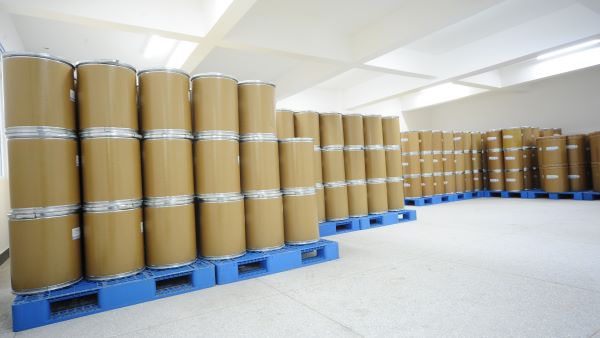
- Standard: 25 kg fiber drums with double PE liner.
- Custom packaging available upon request (e.g., 1 kg bags, 5 kg cartons, or bulk tote liners).
- Label includes product name, batch number, MFG date, expiry date, and storage instructions.
Shipping Terms
- Worldwide shipment via sea freight, air freight, or express courier.
- Lead time: 15–25 days after order confirmation, subject to specification and order volume.
- Sample orders ship within 3–5 business days.
Shelf Life & Storage
- Store in a cool, dry place away from direct sunlight and moisture.
- Keep containers tightly sealed when not in use.
- Recommended storage temperature: 15–25°C.
- Avoid exposure to high humidity and extreme temperatures.