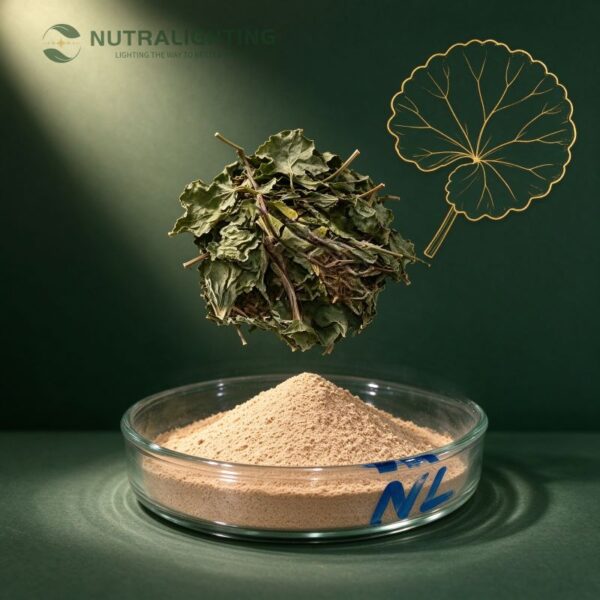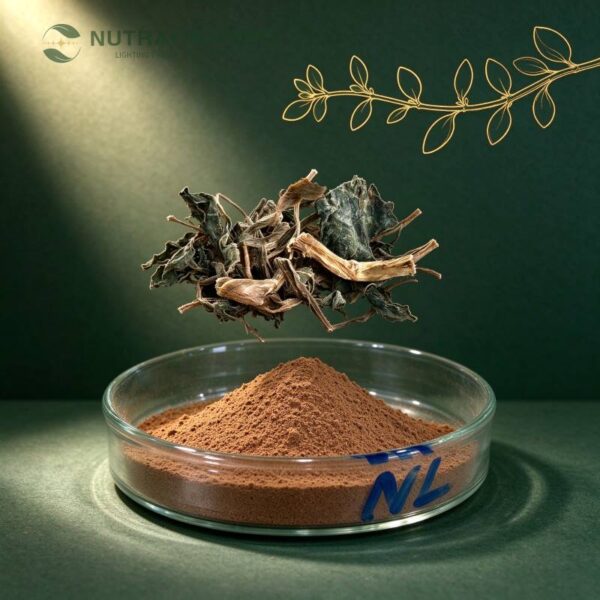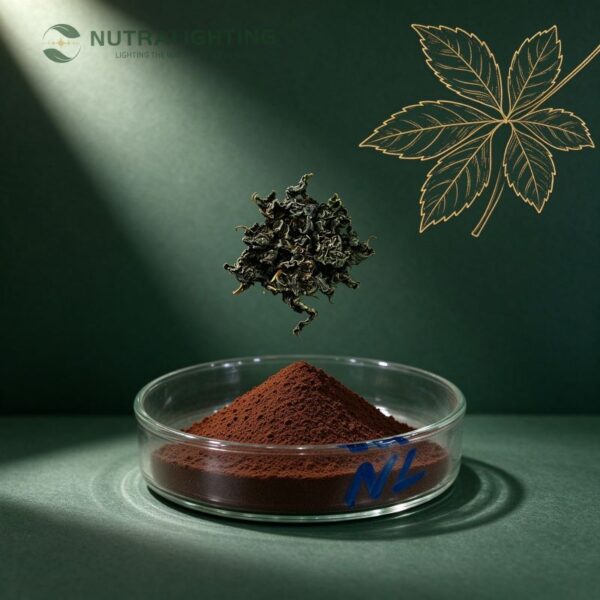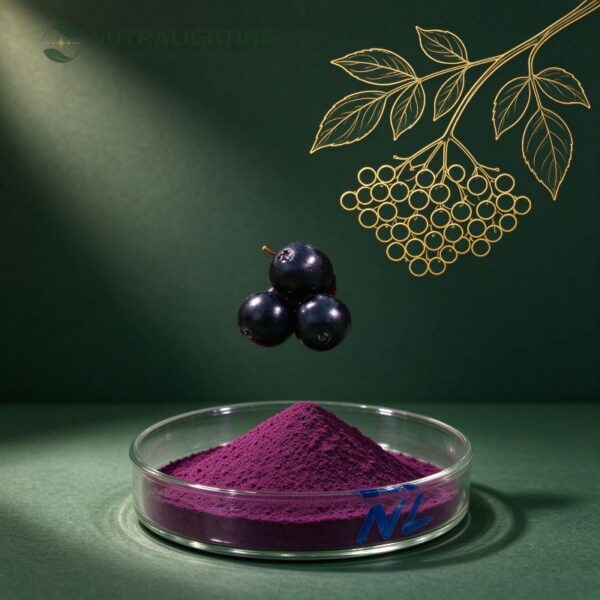
Product Description
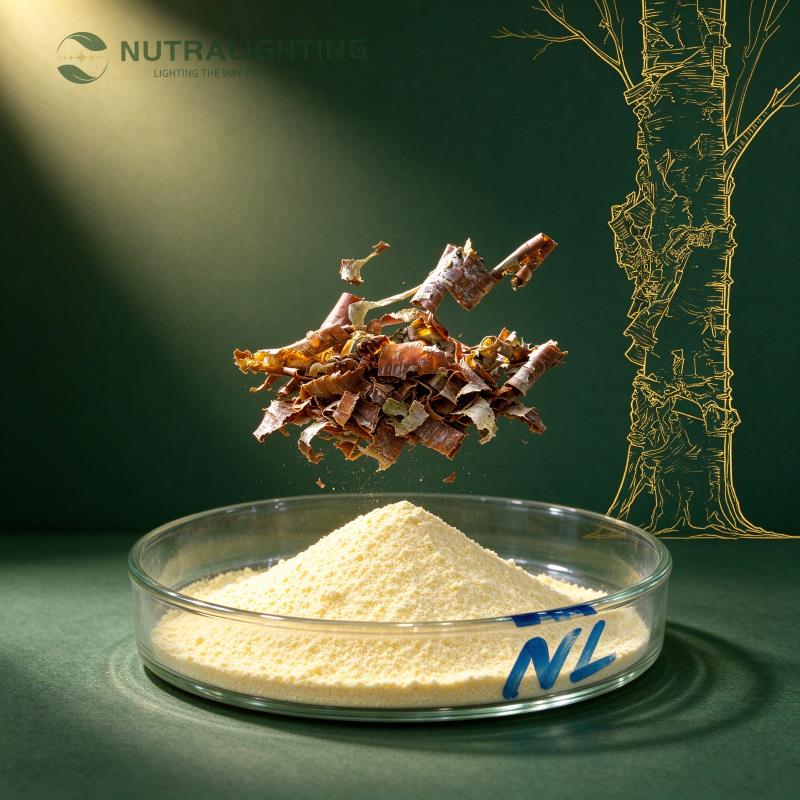
We supply Birch Bark Extract standardized to 90% and 98% betulin content, verified via HPLC testing. This natural botanical ingredient is formulated for use in topical and oral wellness product applications, including skin-soothing cosmetic products, triterpene-focused dietary supplement formulations, and traditional herbal tea blends intended to support healthy fluid balance.
Basic Information
| Item | Content |
|---|---|
| Product Name | Birch Bark Extract |
| Botanical Name | Betula platyphylla Sukaczev |
| English Common Name | Asian white birch |
| Plant Family | Betulaceae (birch family), genus Betula |
| Part Used | Bark |
| Key Marker Compound | Betulin (CAS 473-98-3) |
| Specifications | Betulin 90% and 98%, assayed by HPLC |
| Appearance | White to light-yellow fine powder |
| Mesh Size | 80 mesh |
| Extraction Solvent | Ethanol and water |
| Shelf Life | 24 months in sealed original packaging |
| Target Market | Dietary supplements, cosmetics, and herbal tea blends |
| Core Application Areas | Skin-soothing topicals, triterpene wellness formulas, traditional diuretic teas |
Product Description
Birch Bark Extract is derived from the bark of Betula platyphylla Sukaczev. This species belongs to the genus Betula in the family Betulaceae. It is commonly called Asian white birch. The bark is naturally rich in triterpenes. Betulin is the dominant compound in this fraction.
One important distinction: birch bark extract is not chaga. Chaga, also called birch fungus, is Inonotus obliquus. It is a fungus that grows on birch trunks. Chaga is not a birch plant extract. Our product comes from birch bark only. European users also know the close relative Betula pendula. Its leaves are a traditional herbal tea material.
We process the bark with food-grade ethanol and water. The extract is then standardized to a defined betulin content. Two grades are offered: 90% and 98% betulin by HPLC. A birch leaf extract in a 10:1 ratio is also available on request. Each batch ships with a full certificate of analysis.
Active Constituents
Birch bark triterpenes are the best-known fraction of this extract. Betulin makes up the largest share. Minor triterpenes occur in smaller amounts. Polyphenols and flavonoids are also present.
| Constituent | CAS No. | Molecular Formula | Molecular Weight |
|---|---|---|---|
| Betulin | 473-98-3 | C30H50O2 | 442.72 |
| Betulinic acid | – | – | – |
| Lupeol and erythrodiol | – | – | – |
| Total polyphenols (Folin-Ciocalteu) | – | – | – |
| Total flavonoids (NaNO2-AlCl3) | – | – | – |
Total polyphenols and total flavonoids are reported for each batch. Both are measured by UV-based reference methods. These indicators support batch-to-batch consistency.
Certificate of Analysis (COA) – Typical Results
| Item | Specification | Method | Result Range |
|---|---|---|---|
| Appearance | White to light-yellow powder | Visual | Conforms |
| Odor | Characteristic | Organoleptic | Conforms |
| Mesh size | 80 mesh pass | Sieve test | Conforms |
| Moisture | ≤ 5.0% | Loss on drying | Conforms |
| Ash | ≤ 5.0% | Total ash | Conforms |
| Lead (Pb) | ≤ 5.0 ppm | ICP-MS | Conforms |
| Arsenic (As) | ≤ 2.0 ppm | ICP-MS | Conforms |
| Cadmium (Cd) | ≤ 1.0 ppm | ICP-MS | Conforms |
| Mercury (Hg) | ≤ 0.2 ppm | ICP-MS | Conforms |
| Total aerobic count | ≤ 10,000 CFU/g | Plate count | Conforms |
| Yeast and mold | ≤ 1,000 CFU/g | Plate count | Conforms |
| Escherichia coli | Negative | Plate method | Conforms |
| Salmonella | Negative (25 g) | Plate method | Conforms |
| Betulin content | ≥ 90.0% or ≥ 98.0% | HPLC | Per selected grade |
| Total polyphenols | Reported per batch | Folin-Ciocalteu (UV) | Reported |
| Total flavonoids | Reported per batch | NaNO2-AlCl3 (UV) | Reported |
| Shelf life | 24 months | Stability study | – |
Mechanism of Action
The mechanisms below are drawn from laboratory research and traditional use. Most data are preclinical. Human clinical evidence is limited.
Triterpene Anti-Inflammatory Pathways
Birch triterpenes such as betulin have been studied for inflammation. Laboratory studies suggest effects on NF-κB and COX-2 signaling. These pathways are linked to inflammatory mediators. Most evidence comes from cell and animal models.
Skin and Wound Care Background
A birch bark triterpene gel was approved in the EU in 2023. It is used for wounds in epidermolysis bullosa patients. This shows a medicinal precedent for bark triterpenes. Note that this gel is a specific finished medicine. It is not our raw material. Cosmetic formulators still value soothing skin-feel positioning within local rules.
Traditional Diuretic Action
Birch leaf teas have long been used as mild diuretics. The traditional goal is increased urine output. This supports everyday fluid elimination habits. Modern evidence for defined health outcomes is limited.
Antioxidant Activity
Bark polyphenols contribute to free-radical scavenging. In vitro antioxidant tests show measurable activity. These test-tube results do not guarantee effects in the human body.
Cellular Research Notes
Bark extract, betulin, and betulinic acid were tested on cancer cell lines. One study compared cytotoxic effects in gastric and pancreatic cells. These are in vitro laboratory findings only. They support no disease claim for this ingredient.
Traditional and Modern Use
Traditional Use in China
White birch bark circulates as folk and local medicinal material. Traditional sources describe heat-clearing and detoxifying uses. Cough relief and promoted urination are also cited. Drinking birch sap is a regional custom. This tradition spans Northeast China and Japan. Important: Betula platyphylla is not listed in the Chinese Pharmacopoeia.
European Herbal Tradition
In Europe, birch leaf tea is a recognized traditional herbal product. Leaves of the close relative Betula pendula are commonly used. EU herbal references describe traditional diuretic use of birch leaf. Our bark extract follows a different marker profile.
Modern Applications
Cosmetic brands explore birch triterpenes in soothing formulations. Supplement developers work with betulin-standardized powders. Tea blenders use birch leaf material for traditional blends. Research customers order high-purity betulin grades.
Regulatory Status
| Region | Status | Notes |
|---|---|---|
| China | Folk and local herbal material; not in the Chinese Pharmacopoeia | Position as an herbal ingredient; clearly distinguish from chaga fungus products |
| European Union | Traditional herbal tea context; cosmetic ingredient use | A birch triterpene medicine (Filsuvez gel) exists as a separate authorized product |
| United Kingdom | Traditional herbal use category | Finished-product claims must follow UK herbal and cosmetic rules |
| United States | Dietary supplement ingredient under DSHEA; cosmetic ingredient | No GRAS listing for this extract; structure-function claims need the FDA disclaimer |
| Japan / Korea | Birch sap drinking tradition; cosmetic ingredient use | Check local positive ingredient lists before marketing |
| Other regions | Varies by country | Verify local import and claim rules before launch |
Recommended Usage
No official daily intake for betulin has been established. Use levels depend on the finished-product format and local rules. Supplement formulators set levels based on the betulin grade. Cosmetic use levels are decided by the safety assessor. For general reference only. Please consult a qualified regulatory expert before product launch.
Precautions
General Precautions
Pregnant and nursing users should avoid this ingredient. Safety data in these groups are insufficient. Keep all products away from children. Birch pollen allergy may cross-react with bark extracts. People with birch allergy should avoid use. Diuretic use calls for adequate fluid intake.
Drug Interactions
Diuretic effects may add to prescription diuretics. Lithium clearance can be affected by changed fluid balance. Blood pressure medicines may interact with fluid shifts. Users on these medicines should consult a qualified professional first.
Contraindications
Do not self-use for edema caused by heart or kidney disease. Do not use as a substitute for urinary tract infection treatment. UTI symptoms require proper medical care.
When to Discontinue
Stop use if rash, itching, or stomach upset appears. Consult a professional before scheduled surgery. Seek medical advice if symptoms persist during use.
Why Choose Nutralighting
| What You Need | How We Help |
|---|---|
| Need verified betulin content in every batch? | Each grade is assayed by HPLC and shipped with a full COA. |
| Looking for both 90% and 98% grades? | Two standardized grades are ready for supplement and cosmetic use. |
| Require clear separation from chaga products? | Our documents state the bark source and the CAS marker explicitly. |
| Want flexible packaging from trial to bulk? | Sample bags and 25 kg drums are both supported. |
| Concerned about heavy metals and microbial limits? | ICP-MS and defined microbial limits are tested on every batch. |
| Planning a launch across several markets? | Our team shares regulatory notes for the EU, US, and Asia. |
References
[1] PubChem Compound Summary: Betulin (CAS 473-98-3). National Library of Medicine.
[2] Murrell DF, et al. Long-term safety and efficacy of Oleogel-S10 (birch bark extract) in epidermolysis bullosa: 24-month results from the phase III EASE study. British Journal of Dermatology. 2025;192(6).
[3] Drag M, et al. Comparison of the cytotoxic effects of birch bark extract, betulin and betulinic acid towards human gastric carcinoma and pancreatic carcinoma cell lines. Molecules. 2012;17(6):6403-6414.
[4] European Medicines Agency. Filsuvez (birch bark extract) approval information, 2023.
[5] Nutralighting internal supplier specifications and certificates of analysis for betulin grades.
Frequently Asked Questions
No. Chaga (Inonotus obliquus) is a fungus that grows on birch trees. Our product is derived exclusively from birch bark, not from chaga fungus.
We offer two grades: 90% betulin and 98% betulin, both verified by HPLC analysis.
Yes, each batch ships with a full Certificate of Analysis including appearance, odor, mesh size, moisture, ash, heavy metals, and microbial counts.
Skin-soothing cosmetic products, triterpene-focused dietary supplements, and traditional herbal tea blends for healthy fluid balance support.
Packaging & Shipping
Standard Packaging
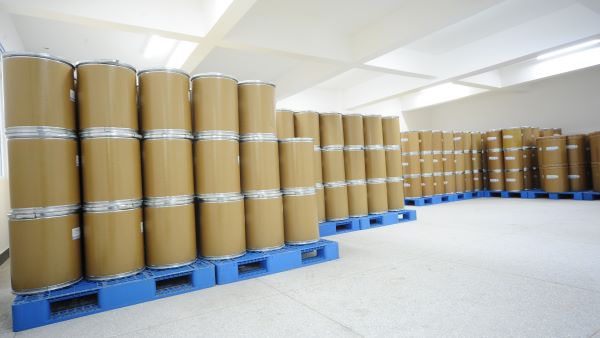
- Sealed original packaging. Standard industrial drum or carton packaging available. Custom packaging on request for OEM/ODM orders.
Shipping Terms
- Ships worldwide from China. Typical lead time 7-15 days after order confirmation. Documentation including COA and MSDS provided.
Shelf Life & Storage
- Store in a cool, dry place away from direct sunlight. Keep sealed when not in use. Shelf life 24 months from manufacture date.