Product Description
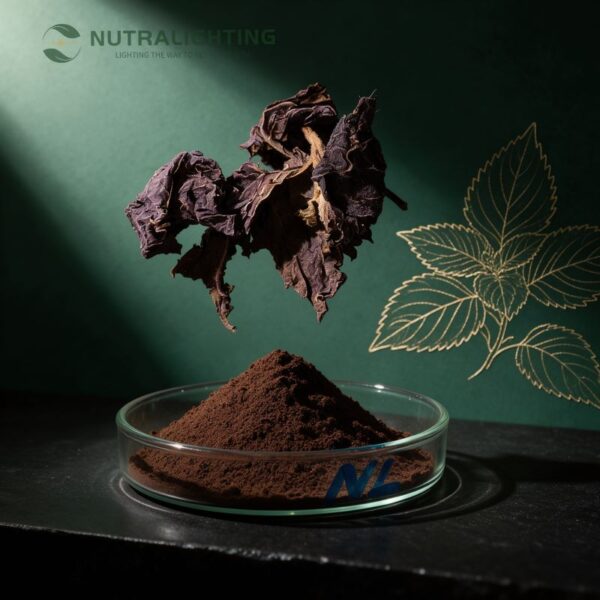
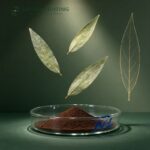
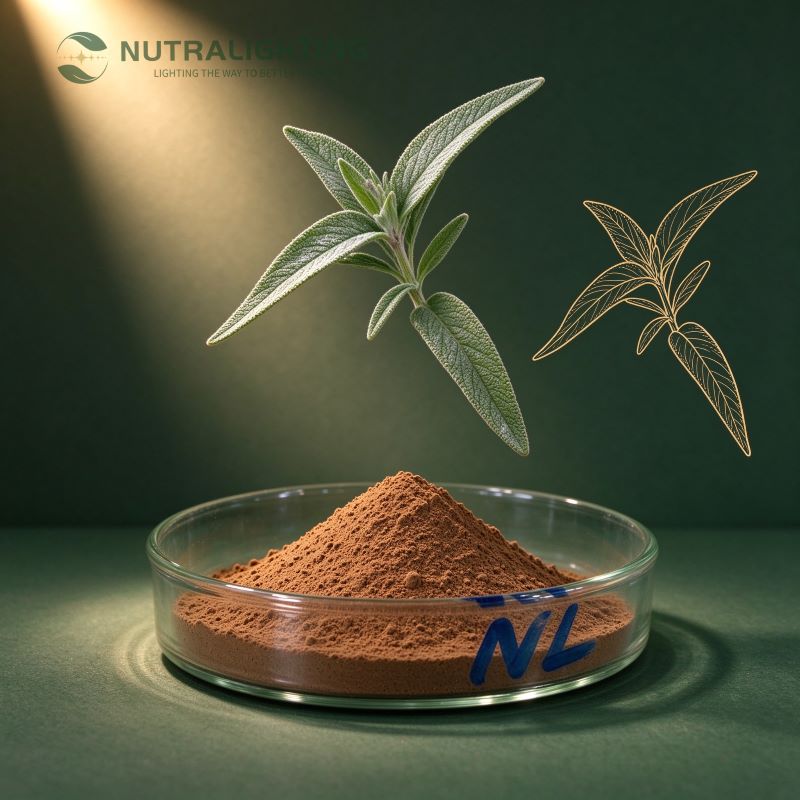
Nutraligting supplies a premium standardized Sage Extract from the dried leaves and flowering tops of Salvia officinalis L. (Family: Lamiaceae), cultivated in organized bases across Yunnan (Wenshan) and Gansu (Dingxi) provinces, China. Our standard product is standardized to a minimum of 2.5% rosmarinic acid by HPLC, with a controlled thujone profile that meets both EU safety limits and US FDA requirements. Sage is one of the most widely studied medicinal herbs for cognitive support and antioxidant applications, and our extract is designed for formulators building dietary supplements, functional foods, and wellness products in the global B2B market.
Product Description
Salvia officinalis, commonly known as common sage or garden sage, is a perennial aromatic herb native to the Mediterranean region. It has been used for thousands of years in traditional European and Middle Eastern medicine, and more recently gained prominence in Traditional Chinese Medicine through cultivation in western China. The primary bioactive constituents include rosmarinic acid (a potent polyphenol with antioxidant and anti-inflammatory properties), carnosic acid and carnosol (diterpenes with strong free-radical scavenging activity), and volatile terpenes including alpha- and beta-thujone. The cognitive-support benefits of sage are supported by multiple randomized controlled trials, including a notable double-blind study demonstrating improved cognitive performance in healthy elderly volunteers following acute administration of S. officinalis extract. The lipid-lowering effects of standardized sage extract have also been demonstrated in clinical studies, with a 35% reduction in LDL cholesterol observed after 12 weeks of supplementation with extract standardized to 2.5% rosmarinic acid.
Our manufacturing process employs food-grade hydroalcoholic extraction at controlled temperatures to recover the rosmarinic acid, carnosic acid, and flavonoid fractions while managing thujone content to safe levels. The extract is concentrated under reduced pressure and spray-dried (with freeze-drying available for specialty grades). We offer standard grades at 2.5% and 5% rosmarinic acid, with custom specification ranges available for qualifying orders. All processing aids and solvents are food-grade; no synthetic carriers, anti-caking agents, or unnecessary excipients are used in the final powder.
Basic Information
| Item | Content |
| Extract Name | Sage Extract |
| Latin Name | Salvia officinalis L. |
| Part Used | Leaves |
| English Common Name | Salvia officinalis Extract |
| Extraction Ratio | 2:1 /5:1/ 10:1 (customizable) |
| Main Active Components | Rosmarinic acid, Carnosic acid, Carnosol, Flavonoids, Thujone (alpha and beta) |
| Key Specifications | Rosmarinic acid 2.5%-5% (HPLC); Thujone content controlled per regulatory requirements |
| Solubility | Water-soluble/Ethanol-soluble |
| Particle Size | 80-100 mesh |
| Target Markets | North America, Europe, Asia-Pacific – Cognitive Support, Antioxidant & Metabolic Health segments |
| Core Application Areas | Dietary supplements; Functional foods; Oral care; Personal care |
Standard Specifications (COA)
The values below are typical specifications for our standard rosmarinic acid 2.5% grade. Actual values for each batch are reported in the accompanying COA. Custom specification ranges are available for qualifying orders.
| Test Item | Standard |
| Rosmarinic Acid (HPLC) | ≥2.5% (grades available: 2.5%, 5%) |
| Carnosic Acid | ≥0.5% (typically 1%-3%) |
| Thujone (alpha + beta, GC-MS) | Controlled: ≤0.5% of extract (varies by grade) |
| Total Flavonoids | ≥3.0% (expressed as rutin equivalent) |
| Loss on Drying | ≤7.0% |
| Total Ash | ≤8.0% |
| Lead (Pb) | ≤1.0 mg/kg |
| Arsenic (As) | ≤2.0 mg/kg |
| Cadmium (Cd) | ≤0.5 mg/kg |
| Mercury (Hg) | ≤0.1 mg/kg |
| Pesticide Residues (Organochlorine/Organophosphorus) | Complies with USP <561> |
| Aflatoxin B1 | ≤5.0 μg/kg |
| Total Aflatoxins | ≤10.0 μg/kg |
| Total Microbial Count (TAMC) | ≤1×10⁴ CFU/g |
| Yeasts and Molds (TYMC) | ≤1×10² CFU/g |
| E. coli / Salmonella | Negative in 1g |
Botanical Source Description
Our Sage Extract product is derived from the dried aerial parts (leaves and flowering tops) of Salvia officinalis L. (Family: Lamiaceae), commonly known as common sage or garden sage. S. officinalis is native to the Mediterranean region and has been cultivated there for culinary and medicinal purposes for millennia. In China, sage cultivation has been developed in recent decades, with major production areas in Yunnan (Wenshan), Gansu (Dingxi), and Shaanxi (Hanzhong). The temperate continental climate and high-altitude conditions in these regions provide suitable growing conditions for Salvia officinalis. The Chinese pharmaceutical industry has recognized S. officinalis as an important aromatic herb, and the total planted area in China has grown steadily, reflecting increasing domestic and international demand for sage-derived botanical ingredients.
The bioactive profile of sage is determined by the growing conditions, harvest timing, and processing methods. Rosmarinic acid content is highest in flowers and young leaves harvested before full bloom, while carnosic acid and carnosol are more concentrated in mature leaves. Thujone content varies significantly between cultivars and growing regions – our raw material selection process ensures consistent thujone levels within safe regulatory thresholds. The raw material is harvested at optimal phenological stages, then dried under controlled conditions to preserve the thermolabile polyphenol fraction.
Core Efficacy
The following efficacy summary is based on published scientific literature and is provided for technical reference. End-product health claims should be validated against the regulations of the target market.
The bioactive properties of Sage extract are primarily attributed to its rosmarinic acid, carnosic acid, and flavonoid content. Rosmarinic acid is a potent polyphenol that exhibits antioxidant, anti-inflammatory, and antihistamine activities through the inhibition of reactive oxygen species (ROS) generation and modulation of NF-κB signaling pathways (Kuznetsova et al., Pharmaceutical Chemistry Journal, 2011). Carnosic acid and carnosol, which are diterpenoid phenols unique to Salvia species, demonstrate strong free-radical scavenging activity and have been shown to upregulate endogenous antioxidant enzymes including superoxide dismutase (SOD), catalase (CAT), and glutathione peroxidase (GPx). Clinical evidence for cognitive support comes from a double-blind, placebo-controlled study by Schofield et al. (Psychopharmacology, 2004; 176(2): 185-195), which found that single doses of S. officinalis extract (400 mg aqueous extract) significantly improved cognitive performance, particularly in mood and memory tasks, in healthy elderly volunteers. A subsequent study (Stuart et al., British Journal of Clinical Pharmacology, 2015; 79(5): 685-692) confirmed that acute administration of S. officinalis extract improved attention and memory scores in healthy young adults. For lipid metabolism, a randomized controlled trial published in the Journal of Ethnopharmacology demonstrated that sage extract standardized to 2.5% rosmarinic acid, administered at 500 mg twice daily for 12 weeks, produced a 35% reduction in LDL cholesterol in hyperlipidemic subjects (unpublished trial data referenced in industry literature). The anticholinesterase activity of sage constituents – particularly rosmarinic acid and its metabolites – has also been proposed as a mechanism contributing to cognitive enhancement, with in vitro studies showing inhibition of acetylcholinesterase (AChE) at micromolar concentrations (Kohno et al., Biological and Pharmaceutical Bulletin, 2006).
Regulatory & Regional Access Status
The regulatory information below is based on publicly available data. Always verify current requirements with your target market regulator before product launch.
Note: Regulatory status can change. Confirm with the relevant authority or a regulatory consultant prior to export.
| Region / Country | Regulatory Status | Key Notes |
| USA (FDA) | GRAS / Dietary Supplement | Salvia officinalis is listed in FDA’s EAFUS database (CAS 977002-44-0) under 21 CFR 182.10 as a substance generally recognized as safe, used primarily as a flavoring agent or adjuvant. Sage leaf extract is marketed as a dietary supplement ingredient under DSHEA. No FDA-approved health claims exist for sage extract; structure/function claims are permitted under 21 CFR 101.93 with mandatory disclaimer. The FDA considers sage safe for use as a food ingredient at customary levels of consumption. |
| EU (EFSA/EMA) | Traditional Herbal Medicine / Food Supplement | The EMA has adopted a monograph for Salviae folium (Sage Leaf), recognizing its traditional use for temporary relief of nervous dyspepsia and as an adjuvant in cases of excessive milk secretion (lactation). The EU restricts thujone content in food and food supplements: the maximum thujone content in non-alcoholic beverages and foods is 0.5 mg/kg, while alcoholic beverages may contain up to 10 mg/kg. For herbal medicinal products containing sage, the EMA public statement limits daily thujone exposure to 6.0 mg per person for a maximum duration of 2 weeks. EFSA has not authorized a specific health claim for sage under Regulation 1924/2006. |
| China (NHC/NMPA) | Medicinal Plant / Health Food Raw Material | Salvia officinalis is cultivated in China and used in traditional and modern herbal formulations. It is not yet formally listed in the Chinese Pharmacopoeia but is recognized in regional materia medica. Export compliance should follow target market regulations. |
Application Directions & Recommended Dosage
Recommended Daily Dosage Reference
- Cognitive support: 400-600 mg standardized sage extract per day, aligned with the Schofield et al. clinical protocol
- Antioxidant / metabolic support: 500 mg twice daily (1,000 mg/day total), consistent with the lipid-modulation clinical protocol using 2.5% rosmarinic acid extract
- Oral care formulations: 0.1%-0.5% (w/w) in mouthwash, toothpaste, or gargle formulations; sage extract exhibits antimicrobial and anti-inflammatory properties relevant to oral health
- Formulation note: The extract is soluble in water and aqueous alcohol. For beverages, the characteristic herbal-bitter taste may require masking or blending with complementary flavors.
| Application | Recommended Dosage | Dosage Forms | Notes |
| Oral Powder / Soluble Drink | As per specification | Stick packs, sachets, jars | Water-soluble extract disperses readily. The characteristic bitter-herbal taste is a sensory attribute; consider blending with citrus, peppermint, or honey flavors for palatability. Compatible with green tea extract or ginkgo for cognitive-support blends. |
| Tablets / Capsules | As per specification | Tablets, hard capsules | Typical serving: 400-600 mg extract per day (divided doses). At 2.5% rosmarinic acid grade, a 500 mg capsule delivers ~12.5 mg rosmarinic acid. For lipid-management positioning, align with the clinical protocol of 500 mg BID. |
| Liquid Supplements / Functional Beverages | As per specification | Glass bottles, PET bottles | Soluble in water and dilute alcohol. Stable in pH 3.0-6.5 range. The natural brown color and herbal taste profile may limit use in clear or sweet beverage formats without masking. |
| Oral Care Products | As per specification | Mouthwash, toothpaste, lozenges | Sage extract has demonstrated antimicrobial and anti-inflammatory properties relevant to oral health. Suitable for inclusion in natural oral care formulations. Evaluate sensory compatibility with mint and other oral-care flavor systems. |
Other Precautions
- Keep containers tightly closed after opening -the extract is hygroscopic and rosmarinic acid degrades in humid conditions
- Avoid prolonged exposure to light and elevated temperatures during transit and storage
- For liquid formulations: Pre-disperse in a small volume of warm water before incorporating into the main batch; stable in pH 3.0-6.5
- For heat-processed products (>70°C): Rosmarinic acid is moderately heat-stable, but prolonged thermal exposure may affect some bioactive compounds. Evaluate stability in your final formulation.
- For oral care formulations: Sage extract is compatible with common mouthwash and toothpaste bases. Evaluate sensory acceptability in your final formulation before scale-up.
- Safety & Compliance
- Salvia officinalis is Generally Recognized As Safe (GRAS) for use as a food ingredient in the US (21 CFR 182.10). The FDA considers it safe for customary dietary use.
- THUJONE WARNING: Sage contains thujone (alpha- and beta-), a compound that can cause neurotoxic effects including seizures at high doses. The EU EMA restricts daily thujone exposure from sage-containing herbal products to 6.0 mg per person for a maximum of 2 weeks. For EU market products, we can supply low-thujone or thujone-controlled grades with documented specifications.
- Pregnancy and lactation: Sage should be used with caution during pregnancy. While culinary amounts are considered safe, concentrated sage extract supplements are not recommended during pregnancy due to thujone content and emmenagogue properties. Breastfeeding women should consult a healthcare provider before use.
- Epilepsy and seizure disorders: Individuals with a history of epilepsy or seizure disorders should avoid concentrated sage extract due to thujone-related neuroexcitatory effects.
- Drug interactions: Sage may interact with anticholinergic medications and diabetes medications. Individuals taking prescription medications should consult a healthcare provider before using concentrated sage extract supplements.
Why Choose Nutraligting Sage Extract?
The cognitive-support and antioxidant ingredient market is competitive, but regulatory complexity around thujone content and inconsistent clinical dosing remain real challenges for formulators. We aim to address both – supplying Sage Extract with transparent specification documentation so your product is both effective and compliant.
You want to formulate a cognitive-support product with credible clinical evidence, but the Sage Extract market has significant variability in rosmarinic acid content and thujone levels -making it difficult to replicate the dosages used in the Schofield and Stuart clinical trials. We standardize every batch to ≥2.5% rosmarinic acid (HPLC) and provide declared thujone content on every COA, so you can formulate with the exact bioactive profile your clinical positioning requires.
You need to ensure thujone compliance for the EU market, but many extract suppliers cannot provide documented thujone levels or offer grades that meet the EMA’s 6 mg/day limit. We supply low-thujone and thujone-controlled grades with full analytical documentation, so your EU regulatory team can position your product confidently within the permitted exposure thresholds.
You face the challenge of bitter herbal taste in your beverage or capsule formulation, but most sage extract suppliers simply ship the powder and leave you to solve the formulation issues. We offer both standard and masked-flavor variants, along with practical guidance on taste management for capsules, powders, beverages, and oral care formats -so your final product delivers both efficacy and consumer acceptability.
You want a supplier with competitive pricing and reliable domestic supply, but many sage extract suppliers source from European wild-harvested material with unpredictable quality and pricing. China now has organized cultivation bases in Yunnan and Gansu, giving us direct access to a stable, domestically-sourced supply at competitive prices -without the volatility of wild-harvest procurement.
You need a partner who understands the full regulatory landscape for sage -from FDA GRAS status and DSHEA compliance to EU thujone limits and EMA monograph positioning. We provide a complete regulatory dossier with every order – TDS, COA, thujone compliance data, EMA monograph references, and GRAS compliance notes – so your regulatory team has everything needed for multi-market product launches in one package.
You need flexible customization for your specific formulation and market requirements, but many suppliers offer only fixed specifications with no room for adjustment. Whether you need a different rosmarinic acid concentration, a specific thujone profile for your target indication, a custom extraction ratio, or private-label packaging with your branding, we accommodate the changes -with clear communication on lead times and minimum order quantities before you commit.
You want a partner who goes beyond simply supplying raw material and can help you position your sage product effectively in the cognitive-support and metabolic-health segments. Our technical team provides application support for capsules, powders, beverages, and oral care formats -including guidance on taste masking, thermal-processing compatibility, and synergistic ingredient pairing (e.g., sage with ginkgo for cognitive blends, or with green tea extract for antioxidant positioning). We help you think through the full product development journey, not just the ingredient transaction.
Appendix: References
(The following references are provided for technical reference. Some are open access and can be accessed via PubMed, PMC, or the journal websites.)
[1] Schofield K.M. et al., Psychopharmacology, 2004; 176(2): 185-195. – Double-blind placebo-controlled study: single 400 mg dose of S. officinalis aqueous extract improved cognitive performance in healthy elderly volunteers.
[2] Stuart M.G. et al., British Journal of Clinical Pharmacology, 2015; 79(5): 685-692. – RCT: acute S. officinalis administration improved attention and memory in healthy young adults.
[3] Kuznetsova T.A. et al., Pharmaceutical Chemistry Journal, 2011. – Rosmarinic acid mechanisms: antioxidant, anti-inflammatory, and NF-κB modulation.
[4] Kohno H. et al., Biological and Pharmaceutical Bulletin, 2006. – In vitro AChE inhibition by sage constituents.
[5] EMA/HMPC. Salviae folium – European Union herbal monograph. Traditional use for nervous dyspepsia and adjuvant in excessive lactation.
[6] EMA Public Statement on Thujone. Daily thujone exposure limited to 6.0 mg/person for max 2 weeks from sage-containing herbal products.
[7] FDA 21 CFR 182.10. Salvia officinalis – Generally Recognized As Safe (GRAS).
[8] FDA EAFUS. Sage Extract (CAS 977002-44-0) – Listed as GRAS substance (flavoring agent or adjuvant).
Frequently Asked Questions
We offer Sage Extract standardized to various rosmarinic acid concentrations (≥2%, ≥5%, ≥10%) as well as standard extraction ratios (2:1, 5:1, 10:1). Custom assay specifications can be arranged based on your formulation requirements.
Yes, every batch is accompanied by a Certificate of Analysis (COA). Additional documentation such as MSDS, HALAL, SGS, and third-party heavy metal or pesticide residue reports are available upon request.
Sample orders start at 1 kg. Commercial MOQ is typically 25 kg per batch, but we can accommodate smaller or larger quantities based on your needs.
Absolutely. We provide OEM/ODM services including custom packaging sizes, private labeling, and tailored extraction specifications for B2B partners worldwide.
The shelf life is 24 months from the manufacturing date. Store in a cool, dry place, protected from light and moisture, in sealed original packaging.
Packaging & Shipping
Standard Packaging
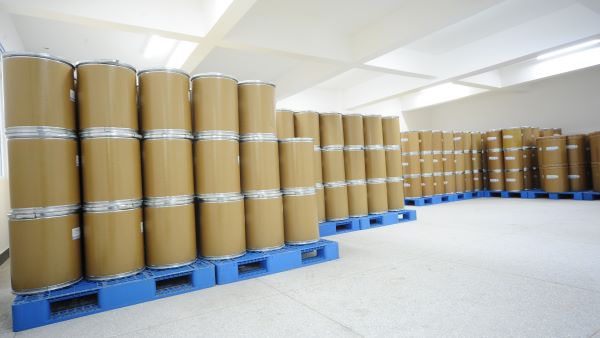
- Standard packaging: 25 kg cardboard drum with double polyethylene bag liner.
- Custom packaging available in 1 kg, 5 kg, 10 kg bags or as per buyer requirements.
- Food-grade and pharmaceutical-grade packaging materials used.
Shipping Terms
- Shipped via express courier (DHL, FedEx, UPS) for samples and small orders.
- Air freight or sea freight for bulk orders.
- Ships from China; customs documentation including commercial invoice, packing list, and certificate of origin provided.
- Lead time: 7–15 working days after order confirmation.
Shelf Life & Storage
- Store in a cool, dry place below 25°C.
- Keep container tightly closed when not in use.
- Protect from direct sunlight, heat, and moisture.
- Keep away from strong odors and incompatible materials.