Product Description
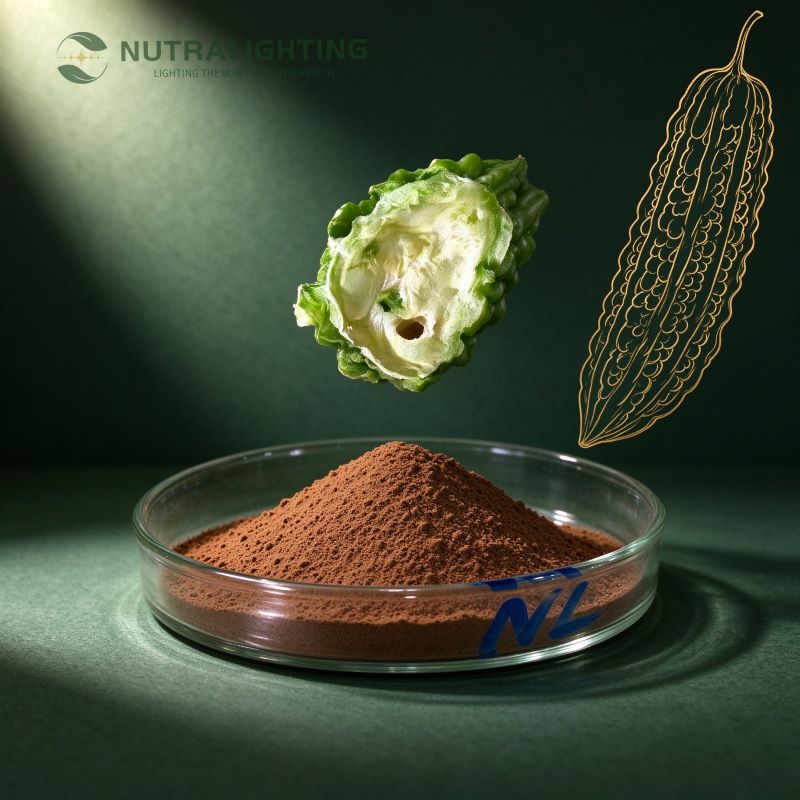
We supply natural Bitter Melon Extract powder to global supplement manufacturers for blood sugar support and metabolic health, with two confirmed concentration ratios (10:1, 20:1) and a full Charantin specification range of 1% to 25% – pre-validated for stable performance in large-scale capsule and tablet production.
Bitter Melon P.E. Basic Information
| Item | Content |
| Botanical Name | Momordica charantia L. (Cucurbitaceae) |
| Part Used | Dried fruit |
| Plant Origin | Widely cultivated in southern and southwestern China, including Yunnan, Guizhou, Sichuan, Guangxi, Guangdong, Hainan, and Fujian provinces. The plant thrives in tropical and subtropical climates. Both wild-sourced and cultivated raw material are available. |
| Solvent | Food-grade ethanol / aqueous ethanol |
| Standardisation | Total charantin content (HPLC) |
| Specifications | Standardised extract ratios: 10:1, 20:1. Optional single-compound grades: 1% charantin, 2% charantin, 5% charantin, 10% charantin, 20% charantin, 25% charantin. |
| Appearance | Light yellow to light brown fine powder |
| Odour | Characteristic woody, slightly bitter odour |
| Taste | Distinctly bitter |
| Moisture | ≤ 8.0% (LoD) |
| Ash | ≤ 6.0% (Total ash) |
| Heavy Metals | Pb ≤ 2 ppm; As ≤ 1 ppm; Hg ≤ 0.1 ppm; Cd ≤ 0.3 ppm |
| Residual Solvents | Ethanol ≤ 2,000 ppm (Ph. Eur. 2.4.24); Methanol ≤ 3,000 ppm |
| Microbiological | Total aerobic count ≤ 10^3/g; Yeast & mould ≤ 10^2/g; E. coli negative; Salmonella negative |
| Particle Size | 95% pass 80 mesh (180 μm) |
| Shelf Life | 24 months (store below 25°C, protected from light and moisture) |
| Target Market | Blood sugar support supplements, metabolic health products, digestive aid formulations, antioxidant blends (China, EU, USA, Japan, Southeast Asia) |
| Core Application Areas | Blood glucose management supplements; Metabolic syndrome support products; Antioxidant and anti-inflammatory herbal blends; Digestive health formulations; Dietary supplements for prediabetic populations; Weight management products |
Product Description
Bitter Melon Extract is obtained from the dried fruit of Momordica charantia L., a vine-bearing fruit widely cultivated in tropical and subtropical regions across Asia.
The primary bioactive constituents are charantin – a steroidal saponin mixture composed of sitosteryl-β-D-glucoside and stigmasterol-β-D-glucoside in approximately a 1:1 ratio. Charantin is responsible for the characteristic hypoglycemic activity of this plant.
In addition to charantin, Bitter Melon Extract contains polypeptide-p (a plant-derived insulin-like peptide), vicine, and various flavonoids and triterpenoids.
Momordica charantia has been used in traditional Asian medicine for centuries to support blood glucose balance and digestive health.
Active Constituents
The bioactive profile of Bitter Melon Extract is defined by its charantin content. Charantin is the principal marker compound, quantified by HPLC-DAD at 254 nm.
Primary Marker: Charantin
| Compound | CAS | Molecular Formula | Molecular Weight | Notes |
| Charantin (1:1 mixture) | 57126-62-2 | C70H118O12 | 1,151.70 | Sitosteryl glucoside + stigmasterol glucoside; hypoglycemic principle |
| Sitosteryl-β-D-glucoside | 20687-63-8 | C35H62O6 | 562.86 | Component A of charantin |
| Stigmasterol-β-D-glucoside | 20687-65-0 | C35H60O6 | 560.85 | Component B of charantin |
| Polypeptide-p | N/A | Peptide | ~16-18 kDa | Insulin-like plant peptide; no single CAS |
| Vicine | 552-66-9 | C9H12N2O5 | 224.20 | Pyrimidine glycoside; bitter principle |
Other Constituents
Bitter Melon Extract also contains vicine (CAS 552-66-9), flavonoids (quercetin, kaempferol derivatives), and cucurbitacins. These compounds contribute to the overall antioxidant and anti-inflammatory profile.
COA Standard Specifications
| Item | Specification | Method | Result Range |
| Charantin | Varies by grade (1% / 2% / 5% / 10% / 20% / 25%) | HPLC-DAD 254 nm | Per specification |
| Loss on drying | ≤ 8.0% | LoD 105°C | – |
| Total ash | ≤ 6.0% | Char at 600°C | – |
| Lead (Pb) | ≤ 2 ppm | ICP-MS | – |
| Arsenic (As) | ≤ 1 ppm | ICP-MS | – |
| Mercury (Hg) | ≤ 0.1 ppm | ICP-MS | – |
| Cadmium (Cd) | ≤ 0.3 ppm | ICP-MS | – |
| Total aerobic count | ≤ 10^3/g | Ph. Eur. 2.6.12 | – |
| Yeast and mould | ≤ 10^2/g | Ph. Eur. 2.6.12 | – |
| E. coli | Negative | Ph. Eur. 2.6.12 | – |
| Salmonella | Negative | Ph. Eur. 2.6.12 | – |
Mechanism of Action
Blood Glucose Regulation
Charantin promotes insulin secretion from pancreatic beta-cells and inhibits hepatic gluconeogenesis.
It also enhances glucose uptake in peripheral tissues through activation of AMPK signalling pathways.
Polypeptide-p exhibits insulin-like activity by binding to insulin receptors and facilitating glucose transport into cells.
Anti-inflammatory Effects
Flavonoid constituents provide antioxidant protection against oxidative stress associated with metabolic syndrome.
Lipid Metabolism Support
Clinical studies have demonstrated that Bitter Melon Extract can improve lipid profiles by reducing serum triglycerides and LDL cholesterol.
Charantin modulates lipid metabolism through PPAR-γ activation and fatty acid oxidation pathways.
Gut Health
The bitter principles in Bitter Melon Extract stimulate digestive enzyme secretion and support healthy gut motility.
Antimicrobial activity against pathogenic intestinal bacteria has also been observed in vitro.
Traditional and Modern Use
Traditional Chinese Medicine
Momordica charantia has been used in Chinese folk medicine for centuries.
It is traditionally valued for clearing heat, detoxifying, and supporting digestion.
It is also used in Southeast Asian traditional medicine systems for blood sugar management.
Modern Clinical Evidence
Clinical trials have shown that Bitter Melon Extract can significantly reduce fasting plasma glucose and HbA1c levels in prediabetic and type 2 diabetic populations.
A 12-week randomised, placebo-controlled study (n=38) found that bitter gourd supplementation significantly reduced fasting plasma glucose, fasting insulin, and HOMA-IR indices.
Another trial using 500 mg twice daily of extract resulted in HbA1c reduction from 7.6% to 6.5% over 12 months in a type 2 diabetic patient.
A 12-week study with 75 pre-diabetic adults found significant improvements in cardiometabolic indicators at doses of 300-600 mg/day.
Regulatory Status
China
Momordica charantia is widely cultivated and used in southern Chinese provinces.
It is recognised in Chinese folk medicine and available as a food ingredient and herbal extract.
European Union
Momordica charantia is not listed on the EU Novel Food catalogue (Regulation (EU) 2015/2283).
It may be marketed as a traditional herbal medicinal product or food supplement ingredient in EU member states.
Individual member state regulations may apply; consult local authorities for market-specific requirements.
United States (FDA)
Bitter melon fruit is generally recognised as safe (GRAS) when consumed as a food.
Momordica charantia extract may be marketed as a dietary supplement ingredient under DSHEA provisions.
The FDA has not evaluated claims regarding blood sugar management for this product.
Japan
Momordica charantia is used in Japanese dietary supplements and functional foods.
Standardised extracts are available for inclusion in health product formulations.
Recommended Usage
Dosage guidance for Bitter Melon Extract is based on clinical studies and traditional use.
Formulation Guidance by Grade
10:1 grade: Suitable for general metabolic support at 500-1,000 mg per serving
20:1 grade: Standardised capsule formulations at 250-500 mg per serving
1%-5% charantin grade: Moderate-potency formulations at 500-1,000 mg per serving
10%-25% charantin grade: High-potency formulations at 200-500 mg per serving
Clinical studies have used doses of 300-1,000 mg per day of standardised extract.
Doses up to 2,000 mg/day of whole fruit powder have been used in clinical settings.
NOTE: Dosage should be tailored to the intended application and target population.
Precautions
Important Safety Notice: When bitter melon extract is used in combination with prescription diabetes medications, it may cause hypoglycemia. Please closely monitor your blood glucose level before use and consult a medical professional.
Strictly Contraindicated Groups
- Pregnant and lactating women: Quinine-like compounds in bitter melon extract may stimulate uterine contraction, raising the risk of miscarriage or preterm labor. These active components can also pass through breast milk and affect infants.
- Children under 12 years old: Their digestive system, liver and kidney functions are not fully developed. Irritant components in the extract are very likely to cause severe gastrointestinal discomfort, so consumption is not recommended.
- People with confirmed allergy to bitter melon or its products: Avoid this extract completely, to prevent allergic reactions such as skin rash, oral redness and swelling, or even breathing difficulty.
High-Caution Groups - People with low blood sugar, or diabetic patients taking oral hypoglycemic drugs/insulin: The mild blood-sugar-lowering effect of the extract will overlap with drug effects, easily triggering hypoglycemia symptoms including dizziness, palpitation and cold sweats.
Frequent blood sugar monitoring is required during use.
- People with deficient cold in spleen and stomach, who often have diarrhea or stomachache: The extract has a cool property. Long-term high-dose intake will aggravate gastrointestinal irritation, leading to nausea, vomiting and persistent diarrhea.
- People with impaired liver and kidney function: Alkaloids and active ingredients in the extract need to be metabolized by the liver and kidneys. Long-term heavy use will increase extra burden on these organs. It is recommended to get doctor’s assessment on tolerance before use.
- People taking anticoagulants (such as Warfarin) or antihypertensive drugs: Bitter melon extract may amplify the effect of these medicines, raising the risk of bleeding or excessively low blood pressure. Dosage adjustment must be guided by a qualified doctor.
Disclaimer
- This product is not intended to diagnose, treat, cure, or prevent any disease.
- Statements regarding this product have not been evaluated by the Food and Drug Administration.
- Bitter Melon Extract is sold as a dietary supplement ingredient or raw material for health product manufacturing.
- Final claim substantiation and label review are the responsibility of the brand owner.
- The hypoglycaemic effects of Bitter Melon Extract are supported by clinical research, but individual responses may vary.
Why Choose Nutralighting
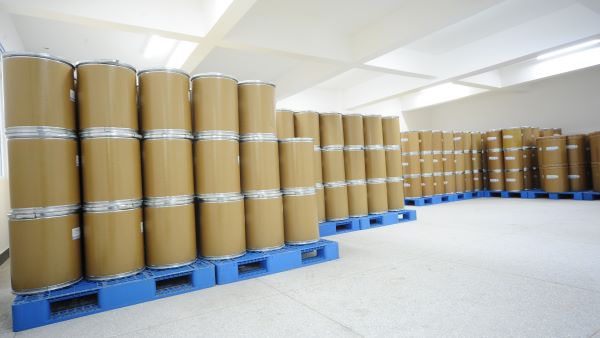
Ready-to-Use Stock for Efficient Shipment
Our full range of standardized bitter melon extract grades are kept in spot inventory. Both small trial orders and large bulk procurement are accepted, with a stable delivery cycle to ensure the smooth progress of your product launch plan.
Full Documentation Package Compliant with FDA Requirements
Every order of bitter melon P.E. comes with complete batch test reports, material traceability records and safety data files. All formats fully meet the record-keeping specifications of FDA dietary supplement cGMP, helping you greatly reduce the extra compliance preparation work for market access in North America and around the world.
Customization Support for Formulas
In addition to the common standard specifications of bitter melon extract, we can adjust the Charantin content, mesh size and solubility to precisely match the formulation requirements of your capsules, tablets or powdered drinks. Our in-house R&D team will directly connect with your needs to avoid material compatibility problems on the production line in advance.
References
Zheng L, et al. (2019). “Momordica charantia: A Review of Its Ethnopharmacology, Phytochemistry and Pharmacology.” Pharmacognosy Reviews. PMC7629989.
Cameron JD, et al. (2016). “Bitter gourd (Momordica charantia L.) supplementation for twelve weeks improves biomarkers of glucose homeostasis in a prediabetic population.” PubMed PMID: 40199408.
Sudham N, et al. (2007). “Anti-diabetic effect ofMomordica charantia L. fruit extract in patients with type 2 diabetes mellitus.” Nutrition Research. PMC7826218.
Parkash J, et al. (2002). “Hypoglycaemic peptide from the seeds of Momordica charantia.” Journal of Ethnopharmacology. PMC3174519.
NIST WebBook. “Charantin.” CAS 57126-62-2. Molecular formula C70H118O12, MW 1151.70. National Institute of Standards and Technology, Gaithersburg, MD.
PubChem. “Sitosteryl-β-D-glucoside.” CID 135400215. Molecular formula C35H62O6, MW 562.86. NIH, Bethesda, MD.
Benchchem. “Charantin.” CAS 57126-62-2. Molecular formula C70H118O12, MW 1151.702. Verified from supplier COA.
FDA. “GRAS Notice (GRN) for Bitter Melon.” Generally Recognised as Safe determination for Momordica charantia fruit as food ingredient.
European Commission. “EU Novel Food Catalogue.” Regulation (EU) 2015/2283. Momordica charantia not listed – confirmed non-novel status.
Frequently Asked Questions
We offer customizable extraction ratios (5:1-20:1), particle size, active marker standardization, and private-label packaging. Contact us with your specifications for a tailored quotation.
Yes. Each Bitter Melon P.E. batch comes with a COA, and additional documents such as MSDS, Halal/ISO certificates, and phytosanitary certificates are available upon request.
We ship worldwide via express, air freight, or sea freight. Payment terms include T/T, L/C, and PayPal for sample orders. Details will be confirmed during order placement.
Store in a cool, dry place away from direct sunlight and moisture. Keep containers tightly sealed. Under proper conditions, the shelf life is 24 months.
Yes. Our Bitter Melon Extract is plant-based and vegan-friendly.
Packaging & Shipping
Standard Packaging
- Inner double polybag + outer aluminum foil bag or kraft drum.
- Standard packaging: 1 kg/bag, 25 kg/drum.
- Custom packaging available per buyer requirement.
Shipping Terms
- Samples: DHL, FedEx, UPS (3–7 business days).
- Bulk orders: Air freight (7–14 days) or sea freight (25–40 days), depending on destination port and order quantity.
Shelf Life & Storage
- Store in a cool, dry, and well-ventilated area away from direct sunlight and moisture.
- Keep container sealed when not in use.
- Avoid contact with strong odors and contaminants.