Product Description
Nutralighting supplies standardized Kava Extract powder in 10:1 and 20:1 extract ratios, with every batch verified for total kavalactone content via HPLC-DAD testing. We offer potency grades spanning 10% to 70% total kavalactones, suitable for use in compliant dietary supplement and functional food formulations focused on calm mood, relaxation, and wellness support.
Basic Information
| Item | Content |
| Botanical Name | Piper methysticum L. (Piperaceae) |
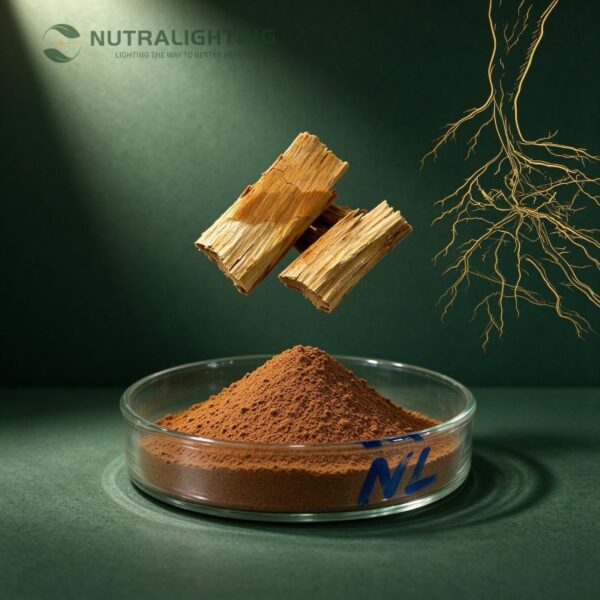
| Part Used | Rootstock (dried, peeled) |
| Plant Origin | Native to the South Pacific Islands; cannot be cultivated in China. Raw material sourced from Fiji, Vanuatu, and Samoa. These islands remain the traditional and primary cultivation regions for high-kavalactone varieties used in extract manufacturing. |
| Solvent | Food-grade ethanol / aqueous ethanol; supercritical CO2 available for decolorised grade |
| Standardisation | Total kavalactones (HPLC-DAD); Individual kavalactone profiling (kavain, dihydrokavain, methysticin, dihydromethysticin, yangonin, desmethoxyyangonin) |
| Specifications | Standardised extract ratios: 10:1, 20:1. Kavalactone content: 10% / 20% / 30% / 40% / 50% / 70%. Decolorised / colourless grades available. |
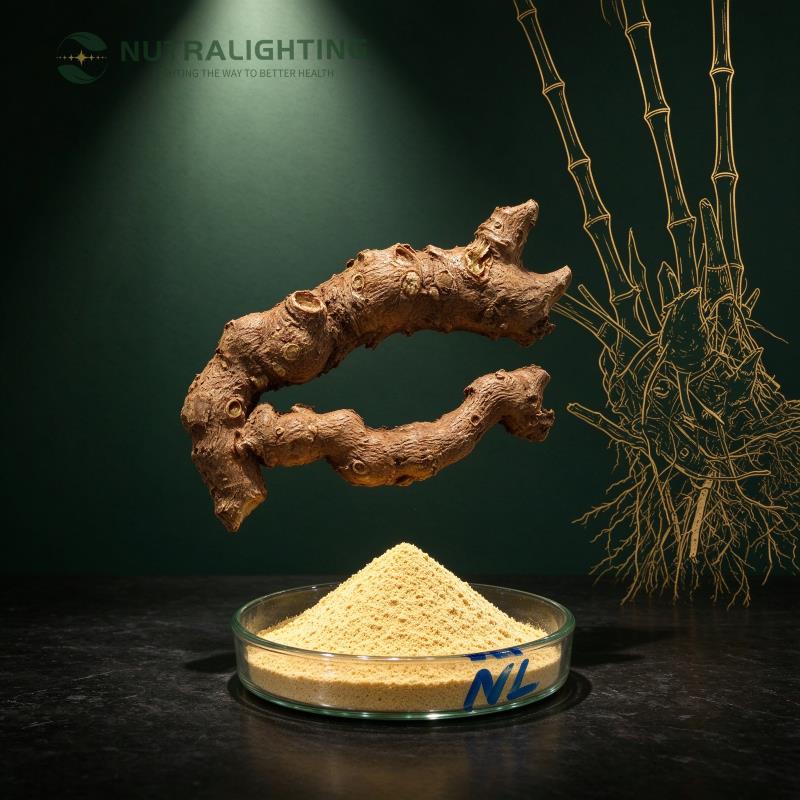
| Appearance | Light brown to dark brown fine powder (standard grade). Off-white to pale yellow powder (decolorised grade). |
| Odour | Characteristic aromatic, slightly peppery odour |
| Taste | Pungent, numbing sensation on the tongue (traditional kava “kick”) |
| Moisture | ≤ 8.0% (LoD) |
| Ash | ≤ 5.0% (Total ash) |
| Heavy Metals | Pb ≤ 2 ppm; As ≤ 1 ppm; Hg ≤ 0.1 ppm; Cd ≤ 0.3 ppm |
| Residual Solvents | Ethanol ≤ 2,000 ppm (Ph. Eur. 2.4.24); Methanol ≤ 3,000 ppm |
| Microbiological | Total aerobic count ≤ 10^3/g; Yeast & mould ≤ 10^2/g; E. coli negative; Salmonella negative |
| Particle Size | 95% pass 80 mesh (180 μm) |
| Shelf Life | 24 months (store below 25°C, protected from light and moisture) |
| Target Market | Dietary supplements, functional foods, beverages, cosmetics (EU, USA, Japan, Australia, Southeast Asia) |
| Core Application Areas | Anxiety support supplements; Sleep aid formulations; Relaxation and stress relief blends; Neuroprotective research compounds; Traditional Pacific Island ceremonial preparations |
Product Description
Kava Extract is obtained from the dried rootstock of Piper methysticum L. The plant belongs to the Piperaceae family and is native to the South Pacific Islands, including Fiji, Vanuatu, Samoa, and the Solomon Islands.
All raw material is imported from traditional growing regions in the Pacific. Kavalactones are the primary bioactive constituents, concentrated in the rootstock. Six major kavalactones account for approximately 95% of the total extract profile.
The extract is standardised to total kavalactone content using HPLC-DAD detection. Different grades are available to meet varying formulation needs, from 10% up to 70% kavalactone content. Decolorised and high-purity options are also supplied for premium supplement applications.
In Pacific Island cultures, kava has been prepared as a ceremonial beverage for over 3,000 years. The traditional preparation involves grinding the dried rootstock and mixing it with water. Modern extract technology allows standardised dosing for capsule, tablet, and liquid formulations.
Active Constituents
The bioactive profile of Kava Extract is defined by kavalactone content. Six major kavalactones constitute the primary pharmacological markers.
Primary Marker: Total Kavalactones
Total kavalactones (CAS 9000-38-8) are quantified by HPLC-DAD at 235 nm. The six major kavalactones – kavain, dihydrokavain, methysticin, dihydromethysticin, yangonin, and desmethoxyyangonin – together represent approximately 95% of the lipid-soluble extract. Individual grade specifications define minimum kavalactone content.
Individual Kavalactone Markers
| Kavalactone | CAS | Molecular Formula | Molecular Weight | Typical Relative Abundance |
| Kavain | 3155-48-4 | C14H14O3 | 230.26 | 15-25% |
| Dihydrokavain | 587-63-3 | C14H16O3 | 232.28 | 20-35% |
| Methysticin | 495-85-2 | C15H14O5 | 274.27 | 15-25% |
| Dihydromethysticin | 19902-91-1 | C15H16O5 | 276.28 | 10-20% |
| Yangonin | 500-62-9 | C15H14O4 | 258.27 | 5-15% |
| Desmethoxyyangonin | 15345-89-8 | C14H12O3 | 228.25 | 5-10% |
COA Standard Specifications
| Item | Specification | Method | Result Range |
| Total kavalactones | 10% / 20% / 30% / 40% / 50% / 70% | HPLC-DAD 235 nm | Varies by grade |
| Kavain | ≥ 10% of total kavalactones | HPLC-DAD 235 nm | – |
| Dihydrokavain | ≥ 15% of total kavalactones | HPLC-DAD 235 nm | – |
| Methysticin | ≥ 10% of total kavalactones | HPLC-DAD 235 nm | – |
| Dihydromethysticin | ≥ 8% of total kavalactones | HPLC-DAD 235 nm | – |
| Yangonin | ≥ 5% of total kavalactones | HPLC-DAD 235 nm | – |
| Loss on drying | ≤ 8.0% | LoD 105°C | – |
| Total ash | ≤ 5.0% | Char at 600°C | – |
| Lead (Pb) | ≤ 2 ppm | ICP-MS | – |
| Arsenic (As) | ≤ 1 ppm | ICP-MS | – |
| Mercury (Hg) | ≤ 0.1 ppm | ICP-MS | – |
| Cadmium (Cd) | ≤ 0.3 ppm | ICP-MS | – |
| Total aerobic count | ≤ 10^3/g | Ph. Eur. 2.6.12 | – |
| Yeast and mould | ≤ 10^2/g | Ph. Eur. 2.6.12 | – |
| E. coli | Negative | Ph. Eur. 2.6.12 | – |
| Salmonella | Negative | Ph. Eur. 2.6.12 | – |
Mechanism of Action
GABA-A Receptor Modulation
Kavalactones modulate the GABA-A receptor complex, enhancing inhibitory neurotransmission in the central nervous system. This mechanism is pharmacologically similar to benzodiazepines but with a different binding site. Kavain and dihydrokavain show the strongest GABAergic activity.
Voltage-Gated Ion Channel Blockade
Kavalactones block voltage-gated sodium and calcium channels in neurons. This action reduces neuronal excitability and contributes to the calming and muscle-relaxant effects. The ion channel modulation may also explain the traditional numbing sensation on the oral mucosa.
Monoamine Modulation
Some kavalactones influence dopamine and serotonin reuptake. Methysticin and dihydromethysticin have shown modulatory effects on dopaminergic pathways in preclinical studies. This may contribute to the overall anxiolytic and mood-stabilising profile.
Anti-inflammatory and Neuroprotective Effects
Kavalactones inhibit cyclooxygenase (COX) and lipoxygenase (LOX) pathways. They reduce pro-inflammatory prostaglandin synthesis. Neuroprotective effects have been observed in ischemia models, with methysticin and dihydromethysticin showing particularly strong activity.
Traditional and Modern Use
Traditional Use in Pacific Island Cultures
Kava has been consumed for over 3,000 years in Fiji, Vanuatu, Samoa, and other Pacific Island societies. It is prepared from the dried rootstock and used in social gatherings, ceremonial occasions, and traditional healing practices. The beverage produces relaxation without significant cognitive impairment at traditional doses.
Modern Clinical Applications
In contemporary practice, standardised Kava Extract is used primarily for short-term relief of anxiety and stress-related symptoms. Several randomised controlled trials have demonstrated anxiolytic efficacy at doses delivering 60-200 mg kavalactones per day. The European Medicines Agency (EMA) has granted Kava a traditional herbal medicinal product registration for temporary relief of mild anxiety and sleep disturbances.
German phytomedicine has extensively studied Kava preparations. Standardised extracts (e.g., kavagan®) containing 30-35 mg kavalactones per capsule have been used in clinical settings for decades. Modern research continues to investigate anxiolytic, sedative, and neuroprotective properties.
Regulatory Status
European Union (EMA)
The EMA has registered Kava as a traditional herbal medicinal product for the treatment of temporary mild anxiety and sleep disturbances under Directive 2004/24/EC. The European Food Safety Authority (EFSA) has reviewed kavalactone safety data. Kava-containing products are authorised in several EU member states, including Germany, France, and the United Kingdom, subject to national legislation.
Germany (BfArM)
Germany temporarily restricted kava products in 2001-2002 following reports of liver injury. After comprehensive risk-benefit assessment, the Bundesinstitut für Arzneimittel und Medizinprodukte (BfArM) lifted the general ban in 2006. Kava products are now legally available with mandatory warnings about liver function monitoring and exclusion of flavokavains A and B. Standardised kava extracts are approved as prescription and over-the-counter phytomedicines.
United States (FDA)
The FDA issued a Consumer Advisory in 2002 noting that kava-containing dietary supplements may be associated with severe liver injury. Kava products remain legally sold in the United States as dietary supplements. The FDA has not taken enforcement action against commercially available kava supplements. However, brands are advised to monitor liver function and include appropriate safety warnings on product labels.
Australia and New Zealand
Australia and New Zealand have varying state-level regulations on kava. Some states permit kava for traditional ceremonial use, while others restrict or ban its sale. Kava-containing supplements are subject to Therapeutic Goods Administration (TGA) assessment. The TGA has classified kava as a prescription-only medicine in certain circumstances.
Canada
Health Canada has issued health advisories regarding kava products and potential liver toxicity. Kava-containing natural health products require a Natural Product Number (NPN) and must comply with Food and Drug Regulations.
Recommended Usage
Clinical studies have used doses delivering 60-200 mg of kavalactones per day, divided into 2-3 doses.
Formulation Guidance by Grade
10% grade: Suitable for food and beverage formulations at 1,000-3,000 mg per serving
20% grade: General anxiety support supplements at 500-1,500 mg per serving
30% grade: Standardised capsule formulations at 300-1,000 mg per serving (delivering ~90-300 mg kavalactones)
40%-70% grade: High-potency clinical formulations at 150-600 mg per serving (delivering ~60-420 mg kavalactones)
The maximum recommended daily dose of kavalactones is 250 mg. Clinical trials typically used 100-200 mg kavalactones daily for periods of 4-8 weeks.
Precautions
IMPORTANT SAFETY NOTE: Kava Extract has been associated with rare cases of severe liver injury. Users should be informed to monitor liver function during prolonged use. Discontinue use immediately if signs of liver dysfunction appear.
General Precautions
Do not exceed the recommended daily dosage. Avoid concurrent use with alcohol or other central nervous system depressants. Do not use for more than 8 weeks without medical supervision. Store in a cool, dry place below 25°C. Keep out of reach of children.
Liver Safety
Although the causal relationship between kava and hepatotoxicity remains debated, precautionary measures are essential. Individuals with pre-existing liver conditions should avoid Kava Extract. Liver function tests are recommended before and during prolonged use. Products should be flavokavain-free, as flavokavains A and B are associated with cytotoxicity.
Drug Interactions
Kava Extract may interact with medications metabolised by CYP2C19, CYP2D6, and CYP3A4 enzymes. Concurrent use with benzodiazepines, barbiturates, alcohol, or other CNS depressants may enhance sedative effects. Consult a healthcare professional before use if taking prescription medications.
Contraindications
This product is NOT recommended for:
- Pregnant or breastfeeding women
- Children under 18 years of age
- Individuals with liver disease or elevated liver enzymes
- Individuals with Parkinson’s disease (may worsen symptoms)
- Anyone with a history of liver injury associated with kava use
When to Discontinue
Discontinue use immediately and seek medical attention if you experience symptoms of liver problems.
Symptoms include: dark urine, yellowing of skin or eyes (jaundice), persistent nausea, loss of appetite, right upper abdominal pain, or unusual fatigue.
Disclaimer
Kava root extract product is not intended to diagnose, treat, cure, or prevent any disease. Statements regarding this product have not been evaluated by the Food and Drug Administration.
Kava Extract is sold as a dietary supplement ingredient or raw material for phytomedicine manufacturing. Final claim substantiation and label review are the responsibility of the brand owner. Consumers should consult a healthcare professional before use, particularly if pregnant, nursing, taking medication, or managing a chronic health condition.
Kava Extract has been associated with rare cases of liver injury. Manufacturers and distributors should include appropriate safety warnings and advise customers to monitor liver function during prolonged use.
Why Choose Nutralighting
Standardized, Verified Potency You Can Rely On
Every batch of NL Kava Extract undergoes full HPLC-DAD testing at 235 nm to confirm consistent total kavalactone content, with available grades spanning 10% to 70% and standard 10:1 / 20:1 extract ratios. No inconsistent, untested raw materials will be sent to your production line.
Flavokavain-Free, Strict Quality Control
All our kava extracts are processed to remove flavokavains, with every batch tested to confirm the full profile of the six major kavalactones. We maintain CGMP-aligned production standards to keep your formulation supply consistent and low-risk.
Custom Formulation Support Built For You
Our in-house R&D team can adjust kavalactone concentrations, develop decolorised grades, and match your specific formulation needs for relaxation-focused dietary supplements and functional food products. Both supercritical CO₂ extracted and solvent-processed premium grades are available for different application scenarios.
References
European Medicines Agency (EMA). “Assessment Report on Piper methysticum Leierson, radix.” European Union Herbal Monograph. EMA/HMPC/475881/2010.
FDA. “Kava-containing dietary supplements may be associated with severe liver injury.” Consumer Advisory. U.S. Food and Drug Administration, 2002.
Teschke, R., et al. (2010). “Kava hepatotoxicity. A clinical review.” Hepatology International, 4(2), 492-507. PMC3183968.
Rowe, J. (2011). “Toxicokinetics of Kava.” Advances in Pharmacological and Pharmaceutical Sciences, Article ID 326724. Wiley Online Library.
WHO. “Monographs on Selected Medicinal Plants, Vol. 3.” World Health Organization, 2004. Kava-kava section, pp. 179-218.
PMC9315573. “An Updated Review on the Psychoactive, Toxic and Anticancer Properties of Kava.” PubMed Central.
Frequently Asked Questions
Kava Pepper Extract is a botanical extract from Piper methysticum root, standardized to kavalactone content. It is commonly used in supplements targeting relaxation and stress relief.
Yes, each batch comes with a Certificate of Analysis (COA), MSDS, and other documentation upon request. Third-party testing is also available.
Standard lead time is 7-15 working days after payment confirmation. Custom orders may require additional time.
Yes, we support OEM and private label solutions. Please contact our sales team for details and minimum order requirements.
Packaging & Shipping
Standard Packaging
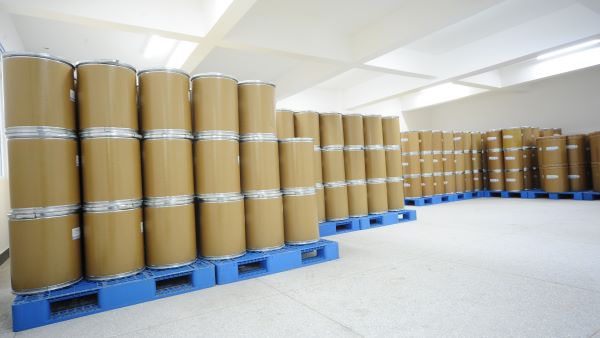
- Standard: 1kg/alg bag + 25kg/drum
- Custom packaging available
- Moisture-proof and light-protected packaging
Shipping Terms
- Express (DHL, FedEx, UPS): 3-7 days
- Air freight: 5-10 days
- Sea freight: 20-35 days
- FOB Shanghai / CIF available
Shelf Life & Storage
- Store in a cool, dry place away from direct sunlight and moisture. Keep container tightly closed when not in use.