Unlock the Power of “Forget-Worry Herb”: The Scientific Truth Behind Daylily’s Antidepressant Effects
Hemerocallis citrina Baroni is a classic dual-purpose plant for food and medicine in China with a history of hundreds of years. In traditional health culture, it has a gentle nickname – “Forget-Worry Herb”. As early as in the Compendium of Materia Medica compiled by Li Shizhen in the Ming Dynasty, it was clearly recorded that this plant can “clear away internal heat and restlessness, make people feel cheerful and free from sorrow”. For hundreds of years, people in East Asia have been adding it to tea drinks and daily meals to soothe tense nerves and drive away low moods. But for a long time, the specific active substances and biological action mechanisms behind daylily’s mood-regulating effect have remained unsolved puzzles in the scientific community.

Since 2016, a Chinese research team has launched years of in-depth exploration targeting the antidepressant properties of daylily. With the “activity-guided separation” technology, they gradually locked the core components that support its traditional effects. The team systematically separated different extraction fractions from dried daylily flowers, and finally confirmed that the 35% ethanol-water eluted fraction (named 35% HCW) is the core active group carrying most of the significant antidepressant activities of daylily. From this active group, researchers successfully isolated and fully identified two key bioactive molecules: 3-O-p-coumaroylquinic acid and 4-O-p-coumaroylquinic acid. These two are exactly the core effective components that help daylily realize its mood-soothing effects.
A recent study published in NPJ Science of Food uncovered the “dual-pathway mechanism” of these two compounds acting in the human body, and fully explained its scientific action logic:
First, after being taken into the human body, these two coumaroylquinic acid compounds will be metabolized into levodopa under the action of intestinal flora. The generated levodopa is absorbed through the intestinal wall into the blood, and can smoothly cross the blood-brain barrier to enter the brain. It directly acts as the precursor substance for synthesizing dopamine (DA) and norepinephrine (NE), and precisely raises the levels of these two key mood-regulating neurotransmitters in the brain under depressed state through the CA/Dopa/DA/NE metabolic pathway.
Second, these two core active components can also specifically activate the PKA/CREB/BDNF signaling pathway in the brain, and significantly increase the expression level of Brain-Derived Neurotrophic Factor (BDNF). BDNF is the core protein that nourishes and repairs damaged nerve connections. It can help repair the impaired neural plasticity caused by long-term low mood and excessive stress, and consolidate the mood-improving effect from the level of nerve repair.
This study is the first special achievement that clarifies the core antidepressant active fractions and specific functional substances in daylily. It fully illustrates its dual-action mechanism of regulating neurotransmitter balance and repairing nerve health at the same time. It endows the thousand-year-old traditional health-preserving experience of “Forget-Worry Herb” with the support of modern scientific evidence, and also provides a brand-new and reliable plant resource direction for developing mild and natural mood-care products for global consumers.
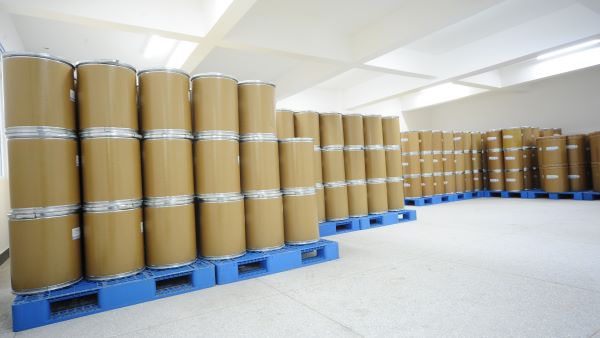
Nutralighting team has long been working on the large-scale stable extraction process development and production of daylily’s core active components under conventional market specifications. We can provide full-chain technical support including standardized daylily extract powder, customized compounding of ingredients, and joint development. Brands of functional food and dietary supplements from all over the world are welcome to contact our team for cooperation, and jointly turn this natural mood-care resource from the East into high-quality innovative health products for global consumers.