What is the Difference Between Rosemary Extract and E392
From the perspectives of professional regulation and technology, rosemary extract is a broad general category of botanical extracts covering all product types, while E392 is an exclusive number in the EU food additive system that only targets specific compliant rosemary extracts. The two are not equivalent concepts, and their core differences lie in three dimensions: definition boundary, compliance constraint and application scenario.
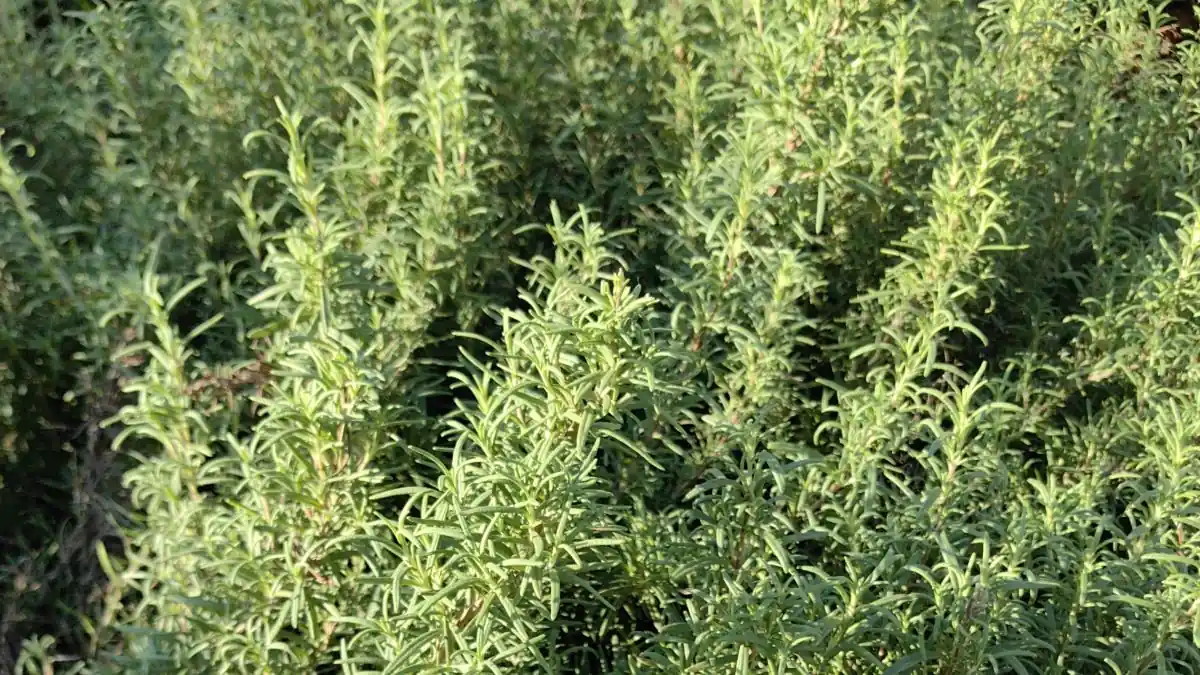
Rosmarinus Officinalis (Rosemary)
Differences in Definition and Coverage Scope
Rosemary extract: It is the general term for all derivative products obtained from parts of rosemary such as leaves, stems and flowers through solvent extraction and physical concentration. It covers all categories including fat-soluble carnosic acid series, water-soluble rosmarinic acid series, rosemary essential oil, hydrosol and non-standardized crude extracts, and can be applied in multiple fields such as food, cosmetics, feed and daily chemical products.
E392: It is the exclusive E-number for food additives assigned to rosemary extract by the EU EFSA. It only specifically refers to food-grade rosemary antioxidants that fully meet the strict EU standards, and is a very small compliant subset within the broad category of rosemary extracts. All other unqualified rosemary derivative products cannot be called E392.
Differences in Quality and Compliance Constraints
Rosemary extract: There is no unified global mandatory quality standard. The content of active ingredients and impurity limits can be flexibly adjusted according to different application scenarios. Product specifications from different suppliers vary greatly, and there is no need to meet the strict safety thresholds for food additives.
E392: It must strictly follow the unified EU regulations. The total amount of carnosic acid and carnosol is taken as the only measurement standard for active ingredients. Indicators including heavy metals, pesticide residues, microorganisms and residual solvents all meet EU food-grade requirements, and it also implements the Acceptable Daily Intake (ADI) limit of 0-0.3mg/kg body weight set by JECFA.
Differences in Application and Regulatory Boundaries
Rosemary extract: It can be widely used in scenarios such as cosmetics, aromatherapy, feed, dietary supplements and non-food industries. There is no mandatory requirement to label the E-number, and it is not restricted by the usage rules for food additives.
E392: It is only legally permitted to be used as a natural food antioxidant in the EU market. It must be clearly labeled as E392 or “rosemary extract” on food packaging. The new version of limit standards implemented on November 1, 2026 has further tightened the usage requirements for special foods such as infant formula, and it is strictly forbidden to add it beyond the scope in unapproved food categories.
Conclusion
In short, all E392 products belong to rosemary extracts, but the vast majority of ordinary rosemary extracts on the market do not meet the access qualification requirements of EU E392, and cannot be legally used as compliant food additives in the EU market.