What is Tongkat Ali extract and how is it used in B2B supply chains
Tongkat Ali extract is a plant raw material made from the dried roots of Southeast Asian native Tongkat Ali (Eurycoma longifolia Jack) through extraction, concentration and standardization. It circulates in the B2B supply chain in the form of clear specifications and stable quality control, and is widely adapted to industrial scenarios such as dietary supplements and sports nutrition. The whole process complies with relevant FDA raw material regulatory requirements. We can provide compliant customized raw material solutions, and overseas B-end customers are welcome to contact us for cooperation.
Clear Definition and Basic Properties
- Plant Source: It is taken from the dried main root of Simaroubaceae Tongkat Ali, a plant natively distributed in tropical rainy regions of Southeast Asia. It is also commonly known as “Malaysian Ginseng” in the industry.
- Core Active Marker: Eurycomanone and other quassinoid compounds are taken as the core quality control markers. Common specifications on the market include multiple ratio extracts such as 10:1, 20:1 and 50:1, and customization can also be carried out according to specified active component content.
- Product Form: Mostly dark brown fine powder, with conventional fineness reaching 80-120 mesh, good water solubility, and no additional harmful solvent residues.
- Compliance Basis: Batch quality inspection reports meeting food-grade requirements can be provided, and supporting documents for common international compliance certifications such as HALAL and KOSHER are available to adapt to overseas market access requirements.
B2B Supply Chain Procurement Background
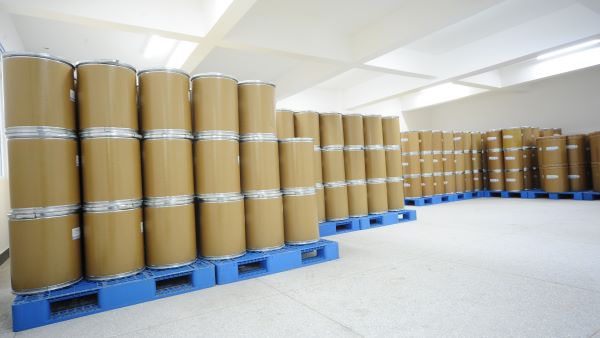
- Circulation Form: In the industry, 25kg standard fiber drums (lined with food-grade PE bags) are the mainstream bulk packaging. 1kg small-batch samples are also supported, with a stable delivery cycle. Conventional spot inventory can cover bulk orders at the 5000kg level.
- Core Quality Control Requirements: Formal suppliers will complete species authenticity verification through thin-layer chromatography to avoid raw material confusion. Each batch is accompanied by a complete test report of active components and microorganisms to ensure consistent product indicators across different batches.
- Supply Chain Trend: In recent years, the demand for standardized plant raw materials in overseas markets has continued to rise. Customers prefer source manufacturers with traceability and full-link quality control to reduce quality fluctuation risks brought by intermediate circulation links.
Typical Industrial and Dietary Supplement Application Scenarios
- Dietary Supplement Formulation Development: As a raw material, it is used to produce capsules and tablets. The industry’s recommended addition amount is 300mg to 700mg per unit, which is suitable for formula development oriented to daily vitality support.
- Sports Nutrition Products: It can be added to sports energy powder and sports recovery drinks. As a raw material of natural plant origin, it is suitable for product formula design for endurance support and post-exercise physical recovery.
- Functional Food and Beverages: With good water solubility, it can be used to prepare herbal-flavored energy drinks and solid beverages, enriching the health attribute expression of products as a natural plant component.
- Industrial R&D Intermediate: High-purity specification extracts can be used as basic raw materials for pharmaceutical R&D and new functional component screening, for subsequent active substance research and product development.
Note: All the above content is only shared as industry raw material knowledge and does not constitute any product efficacy claim. The labeling and promotion of relevant end products shall comply with the regulatory requirements of the local target market. If you have specific demands for Tongkat Ali extract specification customization or bulk procurement, please feel free to contact our Nutralighting business team to obtain detailed technical documents and sample plans.