Ginseng Extract Product Immune Support Technical Solution
Executive Summary
- This proposal is designed for global brand owners and contract manufacturers that want to develop dietary supplements with an “immune support” selling point. It provides a complete ginseng (Panax ginseng C.A. Mey.) extract solution covering raw materials, testing, and formulation development.
- The immunomodulatory effect of ginseng has a dual material basis: ginsenosides and ginseng polysaccharides (panaxans). Two reviews published in the Journal of Ginseng Research in 2022 systematically summarized the chain of evidence from the molecular to the whole-organism level [2], [3], suggesting that ginsenosides and polysaccharides act together on multiple links of innate and adaptive immunity.
- Randomized controlled trials (RCTs) in healthy adults provide direct evidence for use: 2 g/day of Korean Red Ginseng extract for 8 weeks improved T-cell-related immune indicators (double-blind, placebo-controlled, 100 healthy adults) [4]; 960 mg/day of the extract for 12 weeks significantly increased the percentage of T lymphocytes (p-value less than 0.001, RCT in healthy Vietnamese adults) [5].
- Systematic reviews show that ginseng is generally well tolerated in RCTs, and the reported adverse effects are mostly mild and self-limiting [6], which provides an evidence-based basis for dose design and label safety statements.
- Relying on ginseng raw materials from authentic producing areas, standardized production in multiple specifications (total ginsenosides 5%-80% customizable), testing capabilities such as HPLC/GC-MS/ICP-MS, and registration document support for various countries, we (the Nutralighting Team) help customers reduce development and compliance risks “from raw material to finished product.”
Product Positioning and Scope of the Proposal
Focusing on the “immune support” functional direction, this proposal defines the following deliverables: specification definition of ginseng extract raw materials, quality indicators, testing plans, formulation application suggestions, compliant label wording templates, and supporting supply chain services. The proposal targets two types of customers: overseas brand owners and dietary supplement contract manufacturers.
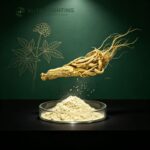
In this proposal, “ginseng” refers to the dried root and rhizome of the plant Panax ginseng C.A. Mey. (Araliaceae), which is different from American ginseng (Panax quinquefolius) and Notoginseng (Panax notoginseng). The three species differ in chemical profile and biological effects, so species identification (DNA barcoding / TLC fingerprinting) is the first gate for raw material acceptance.
The Scientific Evidence Chain: Immunomodulatory Effects of Ginseng
Active Constituents and Mechanisms of Action
Ginsenosides: Cross-Talk Regulation of Innate and Adaptive Immunity
More than 40 ginsenosides have been identified, among which Rg1, Re, Rb1, and Rg3 are the most thoroughly studied. At the mechanistic level (evidence from cells and whole-animal models):
- Macrophages and monocytes: regulation of phagocytic activity, iNOS/COX-2 expression, and the balance of pro-inflammatory/anti-inflammatory cytokines such as TNF-α, IL-6, and IL-1β, involving the NF-κB, MAPK, and TLR4 pathways [2].
- NK cells: enhancement of natural killer cell cytotoxicity [2].
- T cells: promotion of T lymphocyte proliferation and regulation of the Th1/Th2 balance, affecting the distribution of CD4⁺/CD8⁺ subpopulations [2], [4].
- Mucosal immunity: some ginsenosides can regulate immune responses in gut-associated lymphoid tissue (GALT), providing a mechanistic interface for novel delivery dosage forms [2].
Ginseng Polysaccharides: Regulators of Complement and Phagocytic Systems
Polysaccharides with relatively high content in ginseng (acidic/neutral pectins and glucans) form another independent active module [3]:
- Activation of macrophages (release of NO, TNF-α, and IL-6) and maturation of dendritic cells [3].
- Regulation of the complement system (opsonization mediated by the classical and alternative pathways) [3].
- Promotion of lymphocyte proliferation in the spleen and thymus, and enhancement of specific antibody responses [3].
The significance of the dual pathway is that a testing system based on total ginsenosides as the only indicator will miss the contribution of polysaccharides. We recommend that during finished product development, a dual-control plan covering both “ginsenoside indicators” and “polysaccharide indicators” be adopted to avoid a one-sided conclusion [3].
Randomized Controlled Trials (RCTs) in Healthy Adults
| Study | Design | Dose and Duration | Main Outcomes | Implications |
| Hyun et al. 2021 [4] | Double-blind, placebo-controlled; 100 healthy adults | Korean Red Ginseng extract 2 g/day × 8 weeks | T cells and CD4⁺-related immune indicators improved significantly versus baseline | Daily immune support scenario for healthy people |
| Mai et al. 2024 [5] | Randomized, placebo-controlled; healthy adults (Vietnam) | Red ginseng extract 960 mg/day × 12 weeks | Percentage of T lymphocytes increased significantly (p-value less than 0.001); no related adverse events reported | Evidence of tolerability at a moderate-low dose over a long period |
Both studies used standardized extracts and reported safety endpoints, so they can serve as anchors for product dose design and claim strength. It should be noted that the specific effect sizes in RCTs are affected by the population, baseline immune status, and extract specification; when transferring to your own product, dose bridging should be performed according to the total ginsenoside and polysaccharide content (see Chapter Formulation Applications and Dose Bridging).
Systematic Reviews and Evidence in Specific Populations
- The 2013 systematic review by Shergis et al. included multiple ginseng RCTs covering immune-related and general health outcomes. Overall, it showed that ginseng intervention has a good safety profile, with adverse events being mostly mild and transient [6].
- Respiratory direction: the anti-inflammatory and antioxidant properties of ginsenosides have received attention in adjunctive intervention for chronic obstructive pulmonary disease (COPD); the review suggests a mechanistic basis for possibly improving quality of life [7].
- Tumor immunology direction: ginsenosides can regulate the activity of immune cells in the tumor microenvironment through multiple pathways, providing basic research support for the concept of “immunomodulation” [8].
Boundaries of Evidence and Compliant Wording
- The existing evidence supports descriptions at the level of “regulating/supporting normal immune function,” and does not constitute any claim of prevention or treatment of disease [4], [6].
- Evidence from healthy populations and from patients with specific diseases cannot be directly extrapolated to each other; finished product labels should distinguish between “immune support for the general population” and “adjuvant management for special populations” [6], [7].
- Immune responses vary among individuals, and most studies report population averages; during formulation development, a reasonable label claim confirmation process should be established (see Chapter Regulatory Compliance and Market Access Support).
Product Specifications and Standardization
Specification Matrix
| Specification | Content Indicator | Testing Method | Carrier/Form | Application Scenarios |
| Ginseng root extract 10:1 | Total ginsenosides ≥5% | UV-Vis colorimetry | Powder/granules | Powders, tablets |
| Ginseng root extract concentrated powder | Total ginsenosides ≥10%-30% (customizable) | HPLC/UV | Powder | Capsules, tablets |
| Standardized ginsenoside extract | Total ginsenosides 30%-80% (customizable); individual quantification of Rg1+Re and Rb1 | HPLC | Powder | High-content products, liquid dosage forms |
| Ginseng water extract spray-dried powder | Qualitative and quantitative polysaccharide testing | UV (phenol-sulfuric acid method) | Powder/granules | Immune combination formulas |
Note: Content specifications and testing limits are based on the COA of each batch. They can be reverse-customized according to the pharmacopeia requirements of the customer’s target market (Chinese Pharmacopoeia 2020 Edition, USP-NF, EP), including designated indicator components, limits, and testing methods.
Extraction and Processing Technology
- Extraction: water extraction (polysaccharide-enrichment route) and ethanol extraction (ginsenoside-enrichment route) are both available; unit operations such as gradient alcohol precipitation and macroporous resin purification are supported to achieve stable yields within the target content range.
- Concentration and drying: low-temperature vacuum concentration combined with spray drying/vacuum belt drying to control the loss of heat-sensitive components; moisture of the finished product ≤5.0%.
- Batch-to-batch consistency: each batch uses the same agricultural source, the same process parameter set, and online process control (extraction time, temperature, concentration brix, drying feed concentration) to ensure reproduction of the ginsenoside fingerprint profile.
Quality Control and Safety Assurance
Quality Indicators and Testing Plan
| Test Item | Method | Reference Standard |
| Identification (distinguishing ginseng/American ginseng/Notoginseng) | Thin-layer chromatography (TLC), DNA barcoding | Chinese Pharmacopoeia 2020 Edition; USP-NF General Chapter 561 |
| Total ginsenosides content | UV-Vis colorimetry (vanillin-perchloric acid method) | Refer to ChP general methods |
| Content of Rg1, Re, Rb1 | HPLC (C18 column, 203 nm, gradient elution) | Chinese Pharmacopoeia 2020 Edition, Volume I, Ginseng monograph |
| Ginseng polysaccharides | Phenol-sulfuric acid colorimetry | Refer to common industry methods |
| Loss on drying, residue on ignition | Drying method/high-temperature ashing | ChP General Chapters 0832/0841 |
| Heavy metals (lead, cadmium, arsenic, mercury, copper) | ICP-MS / atomic absorption | Chinese Pharmacopoeia 2020 Edition, General Chapter 2321; USP-NF General Chapters 232/233 |
| Pesticide residues | Multi-residue screening (GC-MS/MS, LC-MS/MS) | USP-NF General Chapter 561; ChP General Chapter 2341 |
| Microbial limits | Plate count/pathogen testing | USP-NF General Chapters 61/62; ChP General Chapters 1105/1106 |
| Sulfur dioxide residue | Distillation/ion chromatography | Target market requirements (e.g., EU food additive residue limits) |
Source and In-Process Control
- Raw materials come from ginseng grown in standardized planting bases, with certificates of origin, harvest year, and farming records provided; admixing of American ginseng, Notoginseng, or other Panax species is rejected.
- For each batch of raw material and finished product, “retained samples + full-item testing + COA archiving” is implemented; key items (ginsenoside fingerprint, pesticide residues, heavy metals) are re-tested periodically.
- Production is run under the ISO system; critical control points are established and records can be traced to batch numbers.
Formulation Applications and Dose Bridging
Conversion from Clinical Dose to Product Dose
Forward conversion using RCTs as anchor doses:
- Reference dose A: red ginseng extract 2 g/day (effective range in a double-blind RCT) [4];
- Reference dose B: red ginseng extract 960 mg/day (12-week RCT with good safety) [5];
- Conversion logic: use the total ginsenoside content of the target product as the bridge. For example, when a standardized extract with 30% total ginsenosides is selected, after converting according to the equivalent daily ginsenoside intake in the RCTs, the daily recommended amount can be set within the range of 300-1000 mg, and then finalized through stability and taste tests.
Combination Directions (Principle of Mechanistic Complementarity)
| Combination Partner | Mechanistic Complementary Point | Representative Direction |
| Astragalus extract | Astragalus polysaccharides strengthen the polysaccharide module; stacking of ginsenoside-polysaccharide dual pathways | General immune support |
| Reishi (Lingzhi) extract | Reishi β-glucans and triterpenes synergistically activate macrophages/NK cells | High-intensity immune support |
| Vitamin C / Vitamin D / Zinc | Nutrient health claims already approved by EFSA in the EU carry the functional wording | Compliant label design for EU/US markets |
| Elderberry extract (anthocyanins) | Antioxidant stress relief + respiratory mucosal support | Seasonal immune support |
Dosage Form Recommendations
- Capsules/tablets: standardized extract powder with simple excipients and stable content; suitable for high-ginsenoside specifications.
- Liquid drops/oral solutions: the solubility of ginsenosides and precipitation stability must be evaluated; high-pressure homogenization or microemulsion systems are recommended.
- Functional powders: better matched with the ginseng polysaccharide specification; can be combined with vitamin-mineral premixes.
Regulatory Compliance and Market Access Support
US Market (DSHEA Framework)
- Under the Dietary Supplement Health and Education Act (DSHEA, 1994), ginseng extract can be sold as a dietary supplement ingredient, and labels may use “structure/function claims,” for example “Support healthy immune function,” together with the required FDA disclaimer.
- Disease claims are prohibited (no mention of diagnosis, treatment, prevention, or cure); our label review service will check item by item the consistency between the wording and the supporting evidence.
EU Market (EC 1924/2006 Framework)
- Under Regulation (EC) No 1924/2006, immune health claims for botanical ingredients have long been in an on-hold (pending assessment) status and cannot be used directly on labels; the currently approved claims are concentrated on vitamins and minerals (e.g., vitamin D supports the normal function of the immune system).
- Recommended path: use ginseng extract as an “ingredient claim/formula highlight,” and let the approvable functional wording be carried by nutrients such as vitamin D and zinc, forming a combined label solution of “legal claim + botanical ingredient endorsement.”
- We provide preparation of a complete evidence package for future EFSA claim assessment (literature collection, fingerprint profiles, batch stability data) so that data are ready in case claims are un-frozen in the future.
Documentation Package
Each batch is accompanied by: COA (content, physicochemical, and full safety items), MSDS, Technical Data Sheet (TDS), certificate of origin, non-irradiated statement, and allergen statement. On request, we can provide: stability data (accelerated/long-term), process validation reports, halal/kosher certification documents, and organic raw material certificates.
Nutralighting Team Strengths and Project Experience
Raw Materials and Supply Chain
- We have been deeply involved in the ginseng supply chain for many years. Our sourcing model is mainly direct procurement from bases in the core producing area (Changbai Mountain range, Jilin), supplemented by graded purchasing. We can lock in 4-6-year-old raw materials and supply them stably across years; overseas orders support full-container specification customization and split delivery.
- Experience in handling common hidden risks: confusion of Panax species, fluctuation in ginsenoside content caused by insufficient harvest years, and differences in soil heavy metal background values in producing areas — all have been built into acceptance SOPs.
Testing and Quality
- Our in-house laboratory can independently complete HPLC quantification of ginsenosides, polysaccharide colorimetry, multi-residue pesticide screening, and ICP-MS heavy metal testing, shortening the turnaround time of third-party testing; key items are sent to CNAS/ISO 17025 accredited laboratories for review.
- We are familiar with the differences in the same item among the Chinese Pharmacopoeia 2020 Edition, USP-NF, and EP, and can issue testing plans in formats corresponding to the target market.
Formulation and Registration Collaboration
- We have a routine collaboration mechanism with formulation development and preclinical evaluation teams. During the sampling stage, content conversion, preliminary stability screening, and label wording review can be completed simultaneously, significantly shortening the project cycle.
- We have repeatedly assisted overseas customers with: specification sheet customization, DSHEA structure/function claim wording, EU nutrition claim combination plans, and completion of halal/kosher certification documents.
Project-Based Delivery Process
- Requirement alignment: confirm target market, dosage form, content target, and compliance path; issue the Specification Requirement Confirmation Form;
- Sampling and testing: deliver small samples and test reports within 3-5 working days;
- Scale-up and verification: pilot-scale production + full review of COA items;
- Mass production and delivery: batch consistency confirmation, complete documentation package, and logistics arrangement;
- After-sales support: retained sample management, annual re-test reminders, and quick response to formula adjustments.
Conclusions and Next Steps
Ginseng extract has a clear dual material basis (ginsenosides + polysaccharides) in the immune support direction, support from RCTs in healthy adults, and a good safety record. It is suitable as a core or synergistic ingredient for the immune product lines of overseas brands and contract manufacturers. We recommend that in the next step, the three elements of “target market + dosage form + content specification” be confirmed with the NY Team, and we will then issue the Specification Requirement Confirmation Form, standard samples, and a complete documentation package to enter the sampling process.
References
- Kang S, Min H. Ginseng, the ‘Immunity Boost’: The Effects of Panax ginseng on Immune System. J Ginseng Res. 2012;36(4):354-368. PMID: 23717137.
- You L, Cha S, Kim MY, Cho JY. Ginsenosides are active ingredients in Panax ginseng with immunomodulatory properties from cellular to organismal levels. J Ginseng Res. 2022;46(6):711-721. doi: 10.1016/j.jgr.2021.12.007.
- Hu Y, He Y, Niu Z, Shen T, Zhang J, Wang X, Hu W, Cho JY. A review of the immunomodulatory activities of polysaccharides isolated from Panax species. J Ginseng Res. 2022;46(1):23-32. doi: 10.1016/j.jgr.2021.06.003.
- Hyun SH, Ahn HY, Kim HJ, et al. Immuno-enhancement effects of Korean Red Ginseng in healthy adults: a randomized, double-blind, placebo-controlled trial. J Ginseng Res. 2021;45(1):191-198. doi: 10.1016/j.jgr.2020.08.003. PMID: 33437171.
- Mai PT, Cho YM, Kwon JE, et al. Evaluation of the effectiveness and safety of Korean red ginseng extract as immune-enhancer in Vietnamese adults: A randomized placebo-controlled trial. Trop J Pharm Res. 2024;23(9):1499-1508. doi: 10.4314/tjpr.v23i9.13.
- Shergis JL, Zhang AL, Zhou W, Xue CC. Panax ginseng in randomised controlled trials: A systematic review. Phytother Res. 2013;27(7):949-965. PMID: 22969004.
- Shergis JL, Zhang AL, Zhou W, Xue CC. Therapeutic potential of Panax ginseng and ginsenosides in the treatment of chronic obstructive pulmonary disease. Complement Ther Med. 2014;22(5):944-953. doi: 10.1016/j.ctim.2014.08.006.
- Qian J, Jiang Y, Hu H. Ginsenosides: an immunomodulator for the treatment of colorectal cancer. Front Pharmacol. 2024;15:1408993. doi: 10.3389/fphar.2024.1408993.
- Chinese Pharmacopoeia Commission. Pharmacopoeia of the People’s Republic of China (2020 Edition), Volume I: Ginseng monograph (assay, identification, tests). Beijing: China Medical Science Press, 2020.
- United States Pharmacopeia-National Formulary (USP-NF). General Chapter 561 Articles of Botanical Origin; General Chapters 232/233 Elemental Impurities. Rockville, MD: USP.
- Regulation (EC) No 1924/2006 of the European Parliament and of the Council on nutrition and health claims made on foods. Official Journal of the European Union, 2006.
- S. Food and Drug Administration. Dietary Supplement Health and Education Act of 1994 (DSHEA). Public Law 103-417, 1994.