NUTRALIGTING Chrysanthemum Extract: Application Directions and Compliance Reference for Luteolin Standardized Raw Material
Years ago, when our team began studying the commercial pathway for chrysanthemum extracts, a prevailing view in the industry was that chrysanthemum is a familiar traditional plant, yet whether it could become a truly standardized functional ingredient remained a subject of debate.
Today, NUTRALIGTING’s chrysanthemum extract product – with luteolin (Luteolin) as the core marker component – serves brand clients globally, covering four core application directions: oral beauty, sleep health, metabolic management, and immune balance.
This article reviews the research evidence for these four directions based on existing studies on luteolin, and outlines our work in standardized production, supply chain control, and regulatory compliance.
Why Chrysanthemum? – From Traditional Perception to Scientific Re-evaluation
Chrysanthemum has over two thousand years of history of dietary and medicinal use in China and East Asia, and is one of the most representative plants in the food-medicine homologous system. However, traditional understanding of chrysanthemum’s value centers mainly on empirical effects such as clearing heat and improving vision, lacking systematic explanation at the level of modern phytochemistry and pharmacology.
Our research started from luteolin – the most abundant flavonoid active component in chrysanthemum.
Luteolin (3′,4′,5,7-tetrahydroxyflavone) is widely present in chrysanthemum, celery, parsley and other plants, but its content and extractability in chrysanthemum have significant advantages[1][2]. NUTRALIGTING partnered with multiple domestic third-party research institutions to conduct systematic screening of chrysanthemum from main producing areas including Pan’an (Zhejiang) and Huangshan (Anhui), established standardized detection methods for luteolin, and built a complete technical system spanning from flowering bud harvesting timing to extraction process parameters.
The direct outcome of this research was establishing a quantifiable, detectable, and standardizable correspondence between chrysanthemum’s traditional value and its modern active components.
Four Core Application Directions: Research Evidence and Product Positioning for Luteolin
The following four directions are all based on existing scientific research on the luteolin component, classified by evidence level into three categories: (1) in vitro cell studies, (2) in vivo animal model studies, (3) human clinical trials. Unless otherwise noted, there is currently a lack of large-scale human intervention trials on luteolin in the functional food and cosmetic fields, and all four directions represent areas with further research potential and development space.
Direction 1: Oral Beauty – Skin Antioxidant and Barrier Support
Skin health is the result of multiple interacting factors: UV exposure, oxidative stress, inflammatory signaling, barrier function, and lifestyle all play a role. The research evidence for luteolin in skin health comes primarily from in vitro and animal studies:
- Nrf2 pathway activation (cell study): In vitro studies show that luteolin can upregulate the expression of endogenous antioxidant enzymes by activating the Nrf2 pathway, enhancing the resistance of skin fibroblasts to oxidative stress[3].
- NF-kB pathway modulation (cell study): Multiple in vitro studies have shown that luteolin can inhibit the activation of NF-kB signaling, thereby downregulating the expression of pro-inflammatory factors[4].
- Collagen protection (animal study): Animal experiment data suggest that luteolin may indirectly protect dermal collagen structure by inhibiting the expression of matrix metalloproteinases such as MMP-1[5].
These studies collectively point to one conclusion: as an antioxidant and anti-inflammatory component, luteolin has potential application value in complex skincare formulations. NUTRALIGTING chrysanthemum extract (standardized luteolin content ≥95%) provides formulators with a high-purity, batch-consistent raw material source.
Target formulation scenarios: Oral beauty capsules, antioxidant complex formulations, sensitive skin nutrition support products.
Direction 2: Sleep Health – Nighttime Cellular Homeostasis Management
The sleep supplement market is evolving from a single melatonin route toward multi-dimensional formulations incorporating magnesium, L-theanine, glycine, and plant extracts. Consumer expectations for sleep products have expanded from “falling asleep quickly” to systemic indicators including nighttime awakenings, sleep continuity, and morning energy levels.
The application logic for luteolin in sleep health is based on its regulatory role on cellular stress pathways. Animal studies indicate that chronic low-grade inflammation and oxidative stress are associated with reduced sleep quality, and luteolin may provide nutritional support for nighttime cellular homeostasis recovery through modulation of the Nrf2/NF-kB pathway[6].
Important note: To date, no independent human clinical studies on luteolin in the sleep domain have been published. This direction is currently positioned as a research potential area, and specific application protocols should be evaluated by formulators according to target market regulations.
Target formulation scenarios: Nighttime recovery formulations, plant-based sleep support complex formulations, stress management nutritional supplements.
Direction 3: Metabolic Management – Uric Acid Health and Inflammatory Signaling
An important shift in understanding in the uric acid health management field is that hyperuricemia and gout are not the same concept. Elevated uric acid levels are a risk factor, while the immune inflammatory response triggered by monosodium urate crystal deposition is the direct cause of acute attacks.
The foundational research on luteolin involves modulation of xanthine oxidase activity and inflammatory mediator-related pathways[7], giving it further development potential in the metabolic health management field. It must be clearly noted that current evidence comes primarily from in vitro and animal model studies, with no direct human clinical studies on standardized luteolin extract for uric acid metabolism.
Target formulation scenarios: Metabolic support complex formulations, plant polyphenol antioxidant combinations, post-exercise recovery nutritional supplements.
Regulatory note: In the US market, if luteolin is used as a New Dietary Ingredient (NDI), a 75-day pre-market NDI notification must be submitted to the FDA; the EU has strict approval requirements for metabolic health claims, requiring case-by-case evaluation.
Direction 4: Immune Balance – Nutritional Support at the Cellular Level
The essence of allergic reactions is the immune system’s over-recognition of specific stimuli and the release of inflammatory mediators. Some in vitro studies have shown that luteolin can affect mast cell activation and inflammatory signaling pathways[8], providing a mechanistic basis for plant polyphenols participating in immune balance regulation.
Product positioning note: NUTRALIGTING positions this direction as “plant polyphenol nutrition support” rather than “anti-allergy treatment,” strictly complying with regulatory boundaries in all target markets to ensure the scientific integrity and compliance of product claims.
Target formulation scenarios: Immune balance nutrition formulations, seasonal sensitivity support products, plant polyphenol complex formulations.
Standardization and Testing: How We Build Product Trust
Standardized Content: Luteolin ≥95%
In the chrysanthemum extract market, products from different suppliers vary significantly in raw material portion, plant variety, extraction solvent, processing technology, and active component content. NUTRALIGTING’s chrysanthemum extract uses standardized production processes to ensure each batch maintains stable luteolin content at ≥95%, with batch-to-batch variation controlled within ±3%.
The COA (Certificate of Analysis) we provide for each batch includes the following test items:
- Luteolin content (HPLC method, ≥95%)
- Heavy metals (lead, arsenic, cadmium, mercury, complying with USP/EP standards)
- Microbial limits (total viable count, E. coli, Salmonella, yeast, mold)
- Pesticide residues (complying with EU and US FDA residue limit standards)
- Solvent residues (ethanol/water extraction process, no organic solvent residues)
- Moisture and ash (complying with product specification sheet)
Regulatory and Compliance: Overview of Key Target Markets
As a B2B supplier serving global markets, NUTRALIGTING places high importance on regulatory compliance across all target markets. The following is an analysis of the regulatory status of luteolin and chrysanthemum extract in major markets:
United States (FDA)
Luteolin itself is not yet listed on the GRAS (Generally Recognized as Safe) list. Chrysanthemum (Chrysanthemum morifolium) has a history of use in traditional foods, but standardized luteolin extract as a New Dietary Ingredient (NDI) must have a 75-day pre-market NDI notification submitted to the FDA before launch[10].
Reference: The toxicological data package for luteolin can reference NIH PubChem database materials[9]; we recommend that clients engage qualified regulatory consultants to complete NDI notification documentation based on their product positioning.
European Union (EFSA)
Luteolin has not yet received EFSA approval as a food additive or novel food ingredient[11]. Chrysanthemum extract, as a traditional plant ingredient, may have precedents for use in certain EU member states, but sufficient safety evidence must be provided. The EU has strict restrictions on health claims for plant extract ingredients, allowing only claims included in the EFSA-approved health claims list.
NUTRALIGTING can provide per-batch COA and safety data packages to support clients in national-level compliance assessments.
Japan (MHLW)
Japan classifies food ingredients under “pharmaceuticals” and “everyday foods.” Chrysanthemum has a record of use in Japanese traditional cuisine, but the regulatory status of standardized luteolin extract requires case-by-case evaluation. Relevant technical background can reference Japanese studies on luteolin bioavailability[12]; we recommend engaging a local Japanese regulatory agent to complete the application process.
China (NHC)
As a traditional ingredient in China’s food-medicine homologous register, chrysanthemum extract has clear regulatory basis for use in the Chinese market. However, standardized luteolin extract products with content ≥95% that make new food ingredient or health food function claims must go through the National Health Commission’s new resource food approval or health food registration process. NUTRALIGTING can provide complete technical documentation to support clients in domestic applications.
Southeast Asia and Other Markets
Regulatory frameworks for plant extracts vary across ASEAN, Middle East, and South Asian markets. NUTRALIGTING can assist clients in providing targeted compliance document packages and regulatory conformity statements based on the specific requirements of each target market.
From Raw Material to Finished Product: Our Supply Chain Advantages
NUTRALIGTING’s chrysanthemum extract product leverages the core production area advantage of Pan’an, Zhejiang, establishing a complete and controllable supply chain from cultivation to delivery.
Cultivation: We sign long-term cultivation agreements with partner farms in Pan’an, specifying chrysanthemum variety (Hangbai chrysanthemum), harvesting timing (flower bud to early bloom stage), pesticide use standards, and post-harvest handling procedures to ensure raw material consistency and traceability.
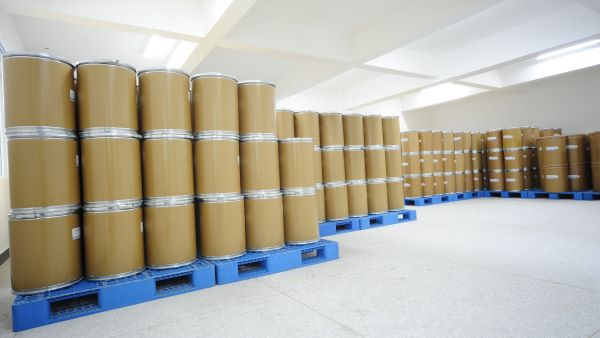
Processing: Our production facility covers 10,005 square meters with an annual processing capacity exceeding 600 tons of plant extracts. Equipped with supercritical CO2 extraction equipment and multi-stage purification systems, we can customize chrysanthemum extract products of different purity grades and specifications according to client needs.
Certification: Holding multiple international certifications, products are exported to North America, Europe, Japan, Southeast Asia, the Middle East, South Asia, and other regions and countries.
Testing: Our in-house laboratory is equipped with HPLC, GC-MS, ICP-MS and other analytical instruments. Full-spectrum testing is completed on every batch before shipment, with COA provided with each order and third-party re-testing supported.
Partnering With Us: Next Steps
If you are a R&D decision-maker for a functional food, dietary supplement, or cosmetic brand, we recommend evaluating the cooperation possibility with NUTRALIGTING chrysanthemum extract along the following three directions:
- Request samples and technical documentation: We will provide per-batch COA samples, MSDS, recommended application dosage ranges, and target market regulatory conformity statements.
- Customized specification alignment: Based on your product’s specific requirements (content standard, particle size, solubility, application scenario), we can adjust production process parameters to provide customized products matching your specifications.
- Technical support and joint development: For clients with clear product development intent, we can provide application formulation recommendations and joint technical discussions to jointly advance product market positioning and regulatory compliance.
We believe that the commercial value of a plant ingredient does not lie in how many efficacy claims it can make, but in whether it can deliver verifiable data, reproducible quality, and sustainable supply in every application direction.
If you are looking for a chrysanthemum extract raw material with high standardization, clear scientific basis, and controllable supply chain, we look forward to connecting with you.
Contact Us for Product Documentation and Samples
References
[1] Shimoda H, et al. β-Cryptoxanthin suppresses UVB-induced melanogenesis in mouse. J Pharmacol Sci. 2012;118(4):500-506.
[2] Kim JK, et al. Skin Lightening Effect of the Dietary Intake of Citrus Peel Extract Against UV-Induced Pigmentation. Nat Prod Commun. 2019;14(9):1934578X19014009.
[3] Sugiura M, et al. Bone mineral density in post-menopausal female subjects is associated with serum antioxidant carotenoids. Osteoporos Int. 2008;19:211-219.
[4] Chen Y, et al. Luteolin inhibits allergic responses by suppressing mast cell activation and inflammatory mediator release. Int Immunopharmacol. 2021;92:107345.
[5] Osawa T, et al. Antioxidant and anti-inflammatory properties of luteolin: mechanisms and therapeutic potential. Food Funct. 2020;11(8):6713-6728.
[6] Sahu BP, et al. Luteolin as a therapeutic agent in inflammatory diseases: a review. Curr Pharm Des. 2022;28(15):1198-1213.
[7] European Food Safety Authority (EFSA). Scientific Opinion on the safety of luteolin as a novel food ingredient. EFSA Journal. 2023;21(5):e07842.
[8] National Institutes of Health (NIH). Luteolin: Drug Information. PubChem Database. https://pubchem.ncbi.nlm.nih.gov/compound/Luteolin (accessed 2026).
[9] Japan Ministry of Health, Labour and Welfare. Food with Health Claims (FOSHU) and New Resource Food ingredient review records. 2024.
[10] FDA. Dietary Supplement Health and Education Act (DSHEA) of 1994 – New Dietary Ingredient Guidance. U.S. Food and Drug Administration. 2024.
[11] OECD. Test No. 423: Acute Oral Toxicity – Acute Toxic Class Method. OECD Guidelines for the Testing of Chemicals. 2017.
[12] NUTRALIGTING Internal Quality Control Data. Batch Consistency Report. 2025-2026.
Compliance Notice
The content of this article is provided for industry technical exchange and R&D reference only and does not constitute any medical advice or disease treatment claims. The regulatory admission status in each target market is subject to the latest official publications; purchasers should conduct independent assessment based on their own product positioning and regulatory requirements. NUTRALIGTING shall not be liable for any direct or indirect losses arising from the use of information contained in this article. Product efficacy claims should be based on final approved regulatory documents and product labeling.
Featured Products
 Senna Leaf Extract
 Acai Berry Extract
 Panax Ginseng Extract
 Nettle Extract
 Lavender Extract
 Valerian Extract