
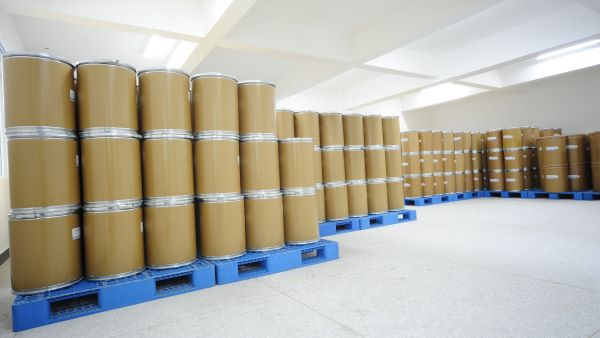
Turmeric Extract Natural Color Solution
Executive Summary
- This proposal is designed for brands in beverages, bakery, confectionery, and dairy products. It provides a complete solution for “natural yellow coloring” based on turmeric (Curcuma longa L.), covering raw material specifications, water-soluble modification, stability testing, formulation advice, compliance support, and clean label endorsement.
- The coloring constituents of turmeric are curcuminoids, mainly curcumin. They offer strong coloring power and a vivid hue, and curcumin is one of the best-selling natural food colorants in the world. Its structure, coloring mechanism, and application boundaries are supported by sufficient peer-reviewed literature [1].
- The core bottlenecks for industrial use of curcumin are “poor water solubility” and “sensitivity to light and heat”: its limiting solubility in water is only about 5 ppm [8]; noticeable fading can occur within 1 day under light storage conditions [2]; and baking at 180 °C can cause degradation with volatile flavor by-products [3]. Our water-soluble modification routes (cyclodextrin inclusion, nano/microemulsion systems, pH-shift dispersion) are designed exactly for these bottlenecks.
- The application evidence is complete: cyclodextrin inclusion can raise water solubility to the level of 40,000 ppm while retaining antioxidant activity [8]; nano-encapsulation can significantly improve water dispersibility and processing stability [7]; coloring and stability studies of different curcumin dosage forms have been reported in real food matrices such as yogurt, milk-based products, and cake [4], [5], [6].
- The safety and compliance basis is solid: at the 61st meeting of JECFA, an ADI of 0-3 mg/kg bw/day for curcumin was established based on toxicological data including a two-generation reproductive toxicity study [9], [10]; the US FDA lists turmeric in the color additives exempt from certification under 21 CFR Part 73; and in China, GB 2760-2024 permits curcumin in the corresponding food categories [11], [12].
- We (the Nutralighting Team) offer a five-stage service of “raw material – modification – testing – formulation – compliance” to help brands bring stable naturally yellow foods to market in the shortest possible time.
Positioning and Market Background
Position in the Market
Natural coloring is one of the fastest-growing directions in the food and beverage functional ingredients market. The core driving force comes from consumers’ clear preference for “clean label” and “natural” products: consumers tend to choose colorants that have simple, recognizable, and non-synthetic ingredient lists. Turmeric, as a traditional food ingredient with strong coloring power and a recognized health image (the antioxidant research background of curcuminoids [1]), is the natural first step when shifting from synthetic yellow colorants to natural yellow.
Position of This Proposal in the Category
This proposal belongs to the natural coloring sub-direction under the “Food & Beverage Functional Ingredients Solutions” program. It stands alongside other natural colors such as gardenia yellow and beet red, but it plays the most important role in the “yellow to orange-yellow” color range. The deliverables include: specification definition of turmeric coloring raw materials (oil-soluble / water-soluble / microencapsulated forms), water-soluble modification services, high-temperature and light stability testing, flavor synergy advice, label compliance documents, and clean label endorsement materials.
Target Customers and Typical Scenarios
| Customer Type | Typical Products | Core Needs |
| Beverage brands | Juice drinks, milk drinks, tea drinks, sparkling water | Good water solubility, no sedimentation, controlled fading |
| Bakery brands | Cakes, pastry, bread, biscuits | Heat resistance, color protection, no unpleasant aftertaste |
| Confectionery brands | Hard candy, soft candy, gummy candy | Bright color, batch-to-batch consistency, stable in sugar-acid systems |
| Dairy brands | Yogurt, ice cream, dairy desserts | Compatibility with hydrophilic matrix, shelf-life stability |
Science and Technology Basis of Turmeric Coloring
Coloring Substance Basis
The yellow pigments in the rhizome of turmeric (Curcuma longa L.) are curcuminoids, mainly curcumin (C21H20O6, CAS 458-37-7), together with demethoxycurcumin and bisdemethoxycurcumin. Together they form the “total curcuminoids” indicator. The curcumin molecule has both a diarylheptanoid skeleton and a beta-diketone structure. Its conjugated system determines the absorption of blue-violet light (the absorption peak lies in the 420-430 nm region, shifting slightly with solvent and tautomerism), and therefore it displays a hue from lemon yellow to orange-yellow [1].
Coloring Power and Hue Control
- Strong coloring power: compared with synthetic yellow colorants, the amount needed to reach the same color strength can be clearly calculated, and formulators can manage the dosage quantitatively by color value (e.g., E1%1cm absorbance or CIELAB color difference Delta E) [2].
- Hue shifts with pH: in neutral and acidic media it shows a bright yellow; in alkaline conditions the beta-diketone undergoes enolization and ionization, and the hue shifts to reddish-brown. Therefore, color protection design is needed in alkaline systems [1], [2].
- Interaction with metal ions: curcumin can form complexes with metal ions and cause color changes, so sensitive ions such as ferrous iron and aluminum should be avoided or handled in the formulation [1].
Three Major Processing Bottlenecks and Solutions
| Bottleneck | Mechanism | Solution |
| Poor water solubility and difficult dispersion | Hydrophobic molecule, solubility in water at the level of about 5 ppm [8] | Cyclodextrin inclusion, nano-emulsion/microemulsion, pH-shift dispersion, microencapsulation [6], [7], [8] |
| Light sensitivity | Conjugated structure is sensitive to UV-visible light; fading during storage [2] | Opaque packaging, antioxidant combination, microcapsule barrier, color stabilizer synergy [2], [7] |
| Degradation during thermal processing | Molecular rearrangement and degradation at high temperature, forming by-products such as vanillin, ferulic acid, and 4-vinyl guaiacol [3] | Control heating intensity, add at the late stage, use heat-resistant forms (microcapsules/complexes) [3], [7] |
| Flavor/taste influence | Turmeric has its own spicy aroma and slight bitterness; excessive dosage affects taste | Use deodorized high-purity curcumin, flavor masking systems, dosage optimization (see Chapter 08) |
Water-Soluble Modification Technology Routes
Cyclodextrin Inclusion (Molecular Encapsulation)
Cyclodextrins (beta-cyclodextrin and its derivatives) encapsulate curcumin molecules in their hydrophobic cavities and form soluble inclusion complexes in aqueous phase. It has been demonstrated that the water solubility of curcumin can be increased from about 5 ppm to the order of 40,000 ppm while retaining free radical scavenging activity. This route is natural, food-compliant, and the first choice for beverage systems [8].
Nano/Microemulsion Systems and Carrier Encapsulation
- Core-shell nano-carriers based on proteins/polysaccharides can stably disperse curcumin in aqueous phase, with water solubility reaching more than 90%, and significantly improve the pigment retention rate under thermal processing and storage conditions. Successful fortified applications have been reported in grain matrices such as rice [7].
- Emulsion routes (O/W and multi-layer emulsions) are suitable for fat-containing foods and milk drinks: on one hand they improve dispersion, and on the other hand the interfacial film blocks oxygen and light to extend shelf life [6].
- Microencapsulated powders are used in bakery and solid beverages; granulation improves flowability and dosing accuracy and avoids dust and color spots.
pH-Shift Dispersion (Special for Milk Systems)
Taking advantage of the fact that curcumin ionizes and dissolves under alkaline conditions and then can be re-acidified, it can be dispersed at the molecular level into protein systems such as milk, producing a clear and stable yellow milk drink. This approach avoids the turbidity problem of the traditional “oil-soluble + emulsification” route [6].
Selection Guide for Dosage Forms
| Target Matrix | Recommended Form | Key Considerations |
| Clear/slightly cloudy beverages | Cyclodextrin inclusion complex, water-dispersible powder | Clarity, pH, avoid flocculation |
| Milk drinks / yogurt | pH-shift dispersion, microemulsion form | Protein compatibility, mouthfeel [6] |
| Bakery / biscuits / cakes | Microencapsulated powder, heat-resistant form | Heat resistance, aftertaste control [3], [7] |
| Confectionery / gummy candy | Water-dispersible form, high-purity color powder | Consistent color value, acid tolerance |
| Ice cream / dairy desserts | Microemulsion form, inclusion complex | Low-temperature stability, resistance to crystallization |
Application Scenario Matrix
Beverages
- Application: natural yellow hue in juice drinks, functional beverages, tea drinks, and sparkling water.
- Challenges: the system is mainly water-based with a long shelf life and light exposure.
- Solution: cyclodextrin inclusion or water-dispersible curcumin + opaque/oxygen-barrier packaging + antioxidant synergy; accelerated light-fading tests are provided to quantify the color-protection effect [2], [8].
Bakery
- Application: replacing egg-yellow color in cakes, pastry, cookies, and bread.
- Challenges: degradation and flavor by-products at baking temperatures of about 180 °C [3].
- Solution: microencapsulated/complexed heat-resistant forms; optimize the addition step (late-stage or surface treatment); flavor masking and deodorized raw materials; color difference and degradation product tests under simulated baking profiles [3], [7].
Confectionery
- Application: bright yellow in hard candy, soft candy, and gummy candy.
- Challenges: dissolution and color stability in high sugar-acid systems; batch-to-batch consistency.
- Solution: high-purity, high-water-solubility curcumin; color value management (colorimetry for every batch); acid-adapted design; simulated sugar body tests.
Dairy Products
- Application: natural yellow color in yogurt, ice cream, and dairy desserts.
- Challenges: dispersion in hydrophilic protein matrices, sedimentation and mouthfeel; fading during shelf life [5].
- Solution: pH-shift dispersion or microemulsion forms to balance protein compatibility and a refreshing mouthfeel; stability and bioaccessibility in dairy matrices have been demonstrated [4], [5], [6].
Natural Combination and Color Blending
Turmeric can be combined with gardenia blue, beet red, and other natural colors to obtain composite hues such as green, orange, and reddish-yellow, meeting the differentiated visual needs of more categories. We provide systematic testing of combination stability (temperature, pH, light, and metal ions) and quantitative management of color difference.
Product Specifications and Quality Control
Specification Matrix
| Product Form | Total Curcuminoids Content | Solubility/Dispersibility | Carrier | Application Scenarios |
| Turmeric oil extract (oil-soluble) | 10%-40% customizable | Fat-soluble | Vegetable oil/propylene glycol | Oil systems, fat-containing foods |
| Water-dispersible curcumin powder | 10%-30% customizable | Dispersible in cold water | Cyclodextrin/starch | Beverages, confectionery, dairy [8] |
| High-purity curcumin color powder | 95% grade (HPLC) | Needs solubilization aid | Pure pigment | High color-strength requirements, late-stage addition [1] |
| Microencapsulated curcumin | 5%-20% customizable | Instant-soluble/heat-resistant | Modified starch/protein | Bakery, solid beverages [7] |
Quality Control Indicators
| Test Item | Method | Reference |
| Total curcuminoids and monomers (curcumin, DMC, BDMC) content | High-performance liquid chromatography (HPLC) | Industrial standards and GB 2760-2024 requirements [12] |
| Color value (E1%1cm near 425 nm) | UV-visible spectrophotometry | Contract management of color value |
| Identification (HPLC fingerprint / TLC) | HPLC/TLC | Anti-adulteration (e.g., colored turmeric powder) |
| Heavy metals (lead, cadmium, arsenic, mercury) | ICP-MS | GB 2762-2022 and target-market limits |
| Solvent residues | GC | Extraction process compliance |
| Microbial limits | Plate count method | GB 29921 and importing-country requirements |
| Moisture, ash, particle size | Routine physicochemical tests | Specification sheet management |
Team Strengths and Collaborative Experience
Raw Materials and Supply Chain
- We have established stable direct procurement and graded sourcing systems with the main turmeric producing areas (especially areas with superior high-curcumin varieties), enabling us to secure raw material batches with high color value and avoid the risk of “low-color-value adulterated powder.” We provide raw material traceability, batch retained samples, and annual re-tests.
- We have long-standing experience in supplying natural color products (water-dispersible, microencapsulated, heat-resistant modified forms), and can scale laboratory formulas directly to ton-level production, reducing pilot repetitions.
Testing and Stability-Testing Capabilities
- Our in-house laboratory can complete HPLC quantification of monomers, colorimetry, color difference (Delta E) management, and accelerated light/high-temperature/freeze-thaw stability tests, forming a three-level data chain of “raw material – intermediate – finished product.”
- We can issue standardized stability testing plans for each application scenario (light exposure 24-72 h, high temperature 45-65 °C, freeze-thaw cycles, pH gradient), supporting customers’ internal shelf-life and formulation decisions with data.
Formulation and Compliance Collaboration
- We collaborate routinely with formulation development teams: during the sampling stage, dispersibility tests, sensory evaluation of flavor, and label wording review are completed simultaneously, significantly shortening the project cycle.
- We have repeatedly assisted brands with: switching from synthetic colorants to natural colors, clean label information disclosure, and preparation of documents for target export markets (US 21 CFR Part 73, EU E100, ASEAN, etc.) [10], [11].
Formulation Implementation and Flavor Synergy
Dosage and Color Value Management
- Use the target color value (e.g., the b* value in CIELAB or absorbance) as the design anchor, and calculate the dosage back from the effective coloring concentration of the selected form; the release standard between batches is based on color value rather than a fixed dosage, to ensure visual consistency.
- We provide a mini color matching database: the measured color values of the same curcumin dosage under different pH conditions and different matrices, reducing R&D trial-and-error.
Flavor and Taste Handling
- Deodorizing route: use high-purity curcumin or dosage forms treated by deodorization processes to reduce the contribution of spicy aroma and bitterness [1].
- Masking route: pair with citrus oils, vanilla, honey, and other flavors, or use the odor-encapsulating ability of beta-cyclodextrin to improve the overall taste [8].
- Mouthfeel route: for milk-based products, prefer pH-shift/microemulsion forms to avoid powdery and astringent sensations [6].
Color Protection Synergy
Antioxidants (vitamin C, rosemary extract, tea polyphenols) and chelating agents work together in the formula to protect curcumin from degradation catalyzed by oxygen and metal ions; opaque packaging and light-barrier liners serve as the physical defense. Stability tests should cover the overall “formula + packaging” solution rather than a single raw material indicator [2], [7].
Compliance and Clean Label Support
China (GB 2760-2024)
- Curcumin is a permitted food additive (colorant) in China. The specific food categories and maximum usage levels are executed according to the corresponding tables in GB 2760-2024; we provide services for locating the standard provisions and calculating dosages [12].
- Naturally sourced turmeric coloring raw materials can also be disclosed as part of food ingredients/spice systems, reducing the risk of “additive fear” labels.
United States (FDA 21 CFR Part 73)
- Turmeric and turmeric oleoresin are listed in the FDA color additives exempt from certification (21 CFR Part 73) and can be used directly for coloring in the corresponding food categories; labels are disclosed according to the rules of “color additive name + limitation of use” [10].
- We provide documentation packages for FDA registration/label declaration (specification sheets, CoA, ingredient traceability, production process descriptions).
European Union (E100) and International (JECFA)
- In the EU, turmeric coloring is numbered E100 (curcumin), and its safety has been reviewed in the EFSA re-evaluation opinion (EFSA Journal 2010; 8(9): 1679) [11].
- At the 61st meeting of JECFA, an ADI of 0-3 mg/kg bw/day for curcumin was established based on comprehensive toxicological data including a two-generation reproductive toxicity study; exposure from normal coloring dosages is far below this limit, providing a sufficient safety margin [9], [10], [11].
- Clean label support: we provide the technical evidence chain required for statements such as “natural source, non-synthetic, traceable, non-GMO,” helping brands present their natural attributes legally on labels and marketing materials.
Conclusions and Next Steps
The turmeric natural color solution now has complete technical support from raw materials, modification, stability, to compliance. It can help brands in beverages, bakery, confectionery, and dairy products quickly launch stable, compliant, and mass-producible naturally yellow products under the clean label trend. We recommend that in the next step, the three elements—target category, expected color value (hue), and shelf-life requirement-be confirmed with the Nutralighting Team. We will then issue the Specification Requirement Confirmation Form, standard samples, and a supporting stability testing plan to enter the sampling process.
References
- [1]Priyadarsini KI. The Chemistry of Curcumin: From Extraction to Therapeutic Agent. Molecules. 2014;19(12):20091-20112. doi: 10.3390/molecules191220091. PMID: 25470276.
- [2]Etxabide A, Kilmartin PA, Maté JI. Color stability and pH-indicator ability of curcumin, anthocyanin and betanin containing colorants under different storage conditions for intelligent packaging development. Food Control. 2021;121:107645. doi: 10.1016/j.foodcont.2020.107645.
- [3]Esatbeyoglu T, Ulbrich K, Rehberg C, Rohn S, Rimbach G. Thermal stability, antioxidant, and anti-inflammatory activity of curcumin and its degradation product 4-vinyl guaiacol. Food Funct. 2015;6(3):887-893. doi: 10.1039/c4fo00790e. PMID: 25619943.
- [4]Almeida HH, Barros L, Barreira JCM, et al. Bioactive evaluation and application of different formulations of the natural colorant curcumin (E100) in a hydrophilic matrix (yogurt). Food Chem. 2018;261:224-232. doi: 10.1016/j.foodchem.2018.04.056. PMID: 29739587.
- [5]Buniowska-Olejnik M, Mykhalevych A, Urbański J, Berthold-Pluta A, Michałowska A, Banach M. The potential of using curcumin in dairy and milk-based products-A review. J Food Sci. 2024;89(9):5245-5254. doi: 10.1111/1750-3841.17278. PMID: 39126698.
- [6]Zheng B, Lin H, Zhang X, McClements DJ. Fabrication of curcumin-loaded dairy milks using the pH-shift method: formation, stability, and bioaccessibility. J Agric Food Chem. 2019;67(44):12245-12254. doi: 10.1021/acs.jafc.9b04904.
- [7]Pandey S, Vindya HA, Rani Nithya Darshini K, Anil Kumar KP, Rao PJ. Curcumin loaded core-shell biopolymers colloid and its incorporation in Indian Basmati rice: an enhanced stability, anti-oxidant activity and sensory attributes of fortified rice. Food Chem. 2022;387:132860. doi: 10.1016/j.foodchem.2022.132860.
- [8]Shenvi S, Shruthi L, Reddy GC, Kush A. Water soluble curcuminoids: encapsulation into cyclodextrins and in-vitro antioxidant properties. Pharm Chem J. 2024;57(11):1761-1767. doi: 10.1007/s11094-024-03077-2.
- [9]Ganiger S, Malleshappa HN, Krishnappa H, Rajashekhar G, Ramakrishna Rao V, Sullivan F. A two generation reproductive toxicity study with curcumin, turmeric yellow, in Wistar rats. Food Chem Toxicol. 2007;45(1):64-69. PMID: 16987575.
- [10]S. Food and Drug Administration. Color additives exempt from certification: turmeric and turmeric oleoresin. 21 CFR Part 73. Washington, DC: FDA.
- [11]EFSA Panel on Food Additives and Nutrient Sources Added to Food (ANS). Scientific Opinion on the re-evaluation of curcumin (E 100) as a food additive. EFSA Journal. 2010;8(9):1679. doi: 10.2903/j.efsa.2010.1679.
- [12]National Health Commission of the PRC, State Administration for Market Regulation. National Food Safety Standard – Standard for the Use of Food Additives: GB 2760-2024. Beijing: China Standards Press, 2024.
Featured Products
 Senna Leaf Extract
 Acai Berry Extract
 Panax Ginseng Extract
 Anemarrhena Extract
 Perilla Extract
 Zanthoxylum Extract