Product Description
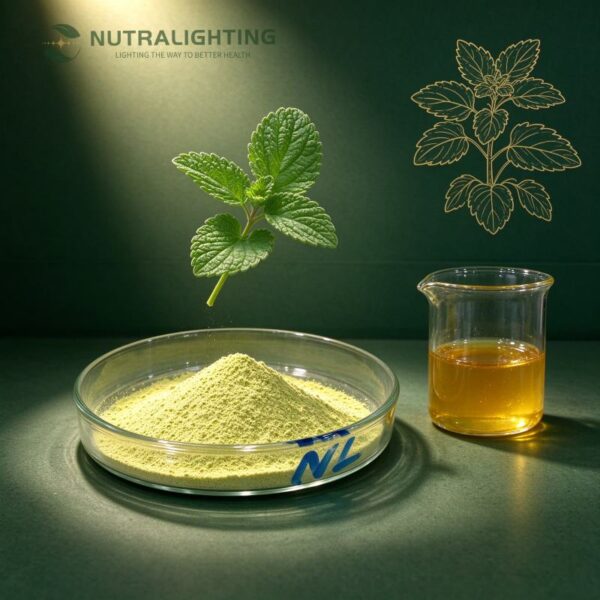
Available in two essential oil grades – 5% and 15% – delivering reliable thujone-controlled extracts for digestive and inflammatory support formulations.
Basic Information
| Item | Content |
| Botanical Name | Achillea millefolium L. (Asteraceae) |
| Part Used | Dried flowering tops |
| Standardised To | Essential Oil 5% / 15% (GC) |
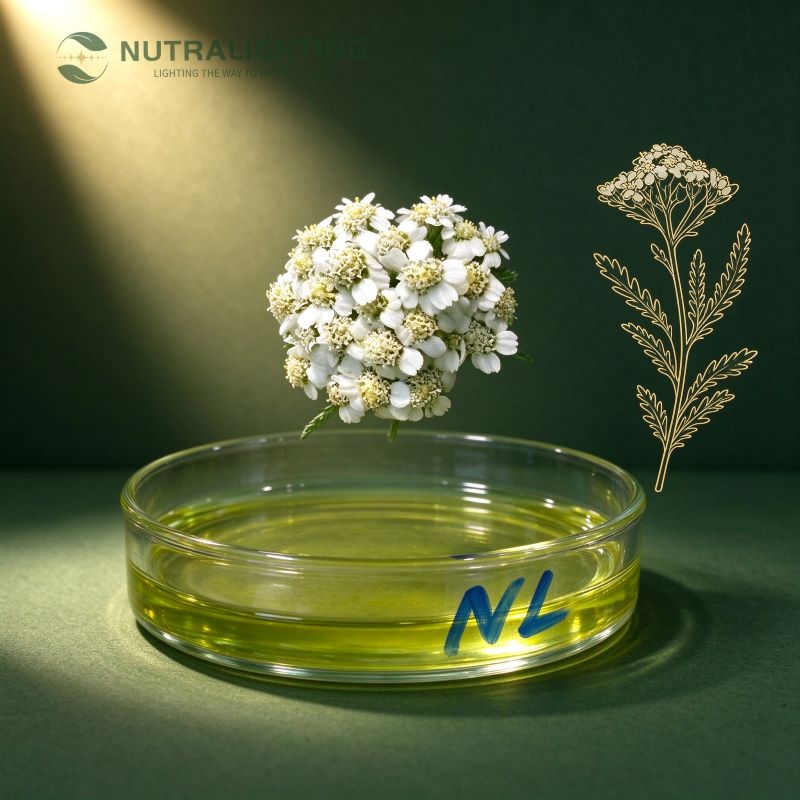
| Appearance | Light green to yellowish-green powder |
| Odour | Characteristic, herbaceous, aromatic |
| Solubility | Sparingly soluble in water; soluble in ethanol and oils |
| Origin | Heilongjiang and Jilin Provinces, China |
| Particle Size | 80-100 mesh (available on request) |
| Shelf Life | 24 months when stored properly |
| Storage | Cool, dry place away from light and moisture |
Product Description
What We Offer and Why It Matters
We supply Yarrow Extract in two essential oil grades: 5% and 15%. Each grade is independently produced and GC-verified. This gives formulators clear options for their digestive and anti-inflammatory product positioning.
The 5% grade is suitable for general wellness products where yarrow is combined with other botanicals supporting digestive comfort. The 15% grade is our concentrated option. It delivers a potent essential oil profile that matches traditional dosing levels used in European herbal medicine.
Our competitive edge comes from three sources. First, our raw material is sourced from high-latitude growing regions in Heilongjiang and Jilin provinces. These areas produce flowering tops with naturally higher essential oil concentrations. Second, we use steam distillation followed by encapsulation in a food-grade carrier to preserve the full essential oil profile including chamazulene. Third, every batch is tested for essential oil content and thujone levels before release.
Key Features
Yarrow (Achillea millefolium) is one of the most widely used medicinal plants in European and Asian traditional medicine. The flowering tops contain volatile essential oil, sesquiterpene lactones, and phenolic compounds. The essential oil is responsible for most of the plant’s characteristic aroma and many of its pharmacological effects.
A key distinguishing feature of yarrow essential oil is its chamazulene content. Chamazulene is a blue-colored sesquiterpene formed during steam distillation from matricin, a precursor present in the raw herb. Chamazulene is a marker of quality and is associated with anti-inflammatory and skin-soothing activity.
Thujone is another important constituent. It is present in the essential oil and contributes to the bittersweet taste and gastrointestinal effects of yarrow. We monitor thujone levels in every batch to ensure compliance with safety thresholds.
Active Constituents
Primary Marker: Essential Oil
Total essential oil content is the primary quality marker for yarrow extract. It is measured by gas chromatography (GC) and expressed as a percentage of the extract weight.
Two grades are available:
- 5% essential oil – entry-level standardisation for general digestive wellness formulas
- 15% essential oil – concentrated standardisation for targeted anti-spasmodic and anti-inflammatory support
Batch-to-batch variation is kept within ±10% of the labelled essential oil value for all grades.
Key Essential Oil Components
The yarrow essential oil contains over 100 identified compounds. The principal components include:
- Camphor – 15-30% of essential oil, antimicrobial and anti-spasmodic
- 1,8-Cineole (eucalyptol) – 10-20% of essential oil, respiratory support
- α-Thujone – 5-15% of essential oil, bitter tonic and gastrointestinal stimulant
- β-Thujone – 2-8% of essential oil, complementary to α-thujone
- Chamazulene – 1-5% of essential oil, anti-inflammatory and skin-soothing
- Sabinene – 5-15% of essential oil, antimicrobial
- Limonene – 5-15% of essential oil, aromatic and digestif
- β-Caryophyllene – 5-15% of essential oil, anti-inflammatory via CB2 receptor
The exact composition varies byGrowing region, harvest time, and distillation conditions. Our GC chromatograms are included in the COA for each batch.
Sesquiterpene Lactones
Sesquiterpene lactones such as achillicin, achillin, millefin, and millefolide are present in the extract. These compounds contribute to the anti-inflammatory and antispasmodic effects of yarrow. They are measured separately from the essential oil fraction by HPLC.
These lactones are responsible for the bitter taste of yarrow. The bitterness stimulates digestive enzyme secretion and bile flow, supporting the traditional use of yarrow as a digestive tonic.
Phenolic Compounds
Chlorogenic acid is the primary phenolic marker in yarrow extract. It contributes to the antioxidant activity of the extract. The Chinese Pharmacopoeia requires a minimum of 0.40% chlorogenic acid in dried yarrow herb.
Other phenolic compounds including luteolin-7-O-glucoside and various caffeoylquinic acids are present in smaller amounts. These compounds add to the overall antioxidant capacity of the extract.
Analytical Data Sheet
| Item | Specification | Method | Result |
| Essential Oil Content (5% Grade) | ≥ 5.0% | GC | 5.0-6.0% |
| Essential Oil Content (15% Grade) | ≥ 15.0% | GC | 15.0-18.0% |
| Thujone Content (α + β) | ≤ 2.0% | GC | < 2.0% |
| Chamazulene Content | ≥ 0.5% | HPLC-UV | 0.5-1.5% |
| Chlorogenic Acid Content | ≥ 0.3% | HPLC | 0.3-0.8% |
| Sesquiterpene Lactones | ≥ 1.0% | HPLC | 1.0-3.0% |
| Loss on Drying | ≤ 8.0% | KF | ≤ 8.0% |
| Heavy Metals (Pb) | ≤ 2.0 mg/kg | ICP-MS | < 1.0 mg/kg |
| Heavy Metals (As) | ≤ 1.0 mg/kg | ICP-MS | < 0.5 mg/kg |
| Heavy Metals (Cd) | ≤ 0.3 mg/kg | ICP-MS | < 0.2 mg/kg |
| Heavy Metals (Hg) | ≤ 0.1 mg/kg | ICP-MS | < 0.05 mg/kg |
| Pesticide Residues | Pass | GC-MS/LC-MS | Not Detected |
| Residual Solvents | Pass | GC | Compliant |
| Total Plate Count | ≤ 1000 CFU/g | USP <61> | < 10 CFU/g |
| Yeast & Mold | ≤ 100 CFU/g | USP <61> | < 10 CFU/g |
| E. coli | Negative | USP <61> | Negative |
| Salmonella | Negative | USP <61> | Negative |
Mechanism of Action
Antispasmodic Effects on GI Tract
Yarrow essential oil relaxes smooth muscle in the gastrointestinal tract. The terpenes act on calcium channels in smooth muscle cells, reducing involuntary contractions. This antispasmodic effect is the primary mechanism behind yarrow’s traditional use for digestive discomfort.
The bitter constituents (sesquiterpene lactones) stimulate salivary and gastric juice secretion through taste receptor activation. This cholagogic effect supports digestion and nutrient absorption.
Anti-inflammatory Activity
Chamazulene and β-caryophyllene are the principal anti-inflammatory compounds in yarrow extract. Chamazulene inhibits prostaglandin synthesis and reduces neutrophil migration in inflamed tissue. β-Caryophyllene activates the CB2 receptor, which modulates immune responses and reduces inflammatory mediator release.
Sesquiterpene lactones such as achillicin inhibit NF-κB activation in activated immune cells. This reduces the downstream expression of pro-inflammatory cytokines including TNF-α and IL-6.
Antimicrobial Properties
The essential oil of yarrow exhibits antimicrobial activity against several pathogenic bacteria and fungi. Camphor, 1,8-cineole, and thujone are the principal antimicrobial compounds. This activity supports the traditional use of yarrow for infectious diarrhoea and gastrointestinal infections.
In vitro studies show that yarrow extract inhibits the growth of Helicobacter pylori, Escherichia coli, and Staphylococcus aureus. The mechanism involves disruption of microbial cell membranes by terpenoid compounds.
Wound Healing and Skin Care
Topically, yarrow extract promotes wound healing through multiple mechanisms. Chamazulene reduces local inflammation and accelerates tissue repair. The antimicrobial activity helps prevent secondary infection in wounds and skin lesions.
Yarrow extract is traditionally used for skin conditions including eczema, dermatitis, and minor burns. The anti-inflammatory and antimicrobial properties work synergistically to soothe irritated skin and support healing.
Traditional and Modern Use
Traditional Use
Achillea millefolium has been used in European and Asian traditional medicine for thousands of years. The common name “yarrow” comes from the Greek hero Achilles, who reportedly used the plant to treat war wounds. The Latin species name “millefolium” means “thousand-leaved,” referring to the finely divided foliage.
In traditional European herbalism, yarrow was used for digestive complaints, fevers, and wound healing. In traditional Chinese medicine, the herb (蓍草, Shicao) is used for detoxification, dampness resolution, and circulation promotion.
The plant is also known as “soldier’s woundwort” in English folklore. Medieval warriors used compressed yarrow leaves to stop bleeding from wounds. This traditional use is supported by modern research showing accelerated wound healing.
Modern Clinical Evidence
Clinical research on yarrow is limited compared to other herbal medicines. Most evidence comes from traditional use records and in vitro studies. The EMA assessment report confirms traditional use for temporary loss of appetite and mild spasmodic gastrointestinal complaints including bloating and flatulence.
A 2022 study published in PMC investigated the essential oil fractions of Achillea millefolium against Helicobacter pylori. The results showed significant antibacterial activity, supporting the traditional use of yarrow for gastrointestinal infections.
Research on yarrow for skin conditions is primarily preclinical. In vitro studies demonstrate anti-inflammatory and antimicrobial effects. Human clinical data for topical yarrow applications remains limited.
Regulatory Status
United States (FDA)
Yarrow herb (Achillea millefolium L.) is listed in the FDA EAFUS database (CAS 977000-16-0) under 21 CFR 172.510 as a flavoring agent or adjuvant. Yarrow oil (CAS 8022-07-9) is similarly listed under the same regulation.
Under DSHEA, Achillea millefolium flowering tops and their extracts may be used as an ingredient in dietary supplements. The herb has a long history of safe use in traditional medicine. Structure/function claims related to digestive support and antioxidant protection may be made provided the mandatory disclaimer is included. This product is not intended to diagnose, treat, cure, or prevent any disease.
Formulators should be aware that yarrow essential oil contains thujone. The FDA has established guidelines for thujone in food and beverage products. We recommend verifying current thujone limits before incorporating yarrow extract into products intended for the US market.
European Union (EMA)
Achillea millefolium L., herba is covered by a European Union list entry for traditional herbal medicinal products. The EMA assessment report confirms traditional use for:
- Temporary loss of appetite
- Symptomatic treatment of mild, spasmodic gastrointestinal complaints including bloating and flatulence
- Topical use as a soothing and antipruriginous application for dermatological ailments
The EMA calculation shows that at the maximum daily dose of 16 g of herbal substance, the theoretical thujone intake does not exceed 1.5 mg per day. This is considered safe for traditional use durations of 4 weeks without medical supervision.
Yarrow is also monographed in the European Pharmacopoeia (Monograph 1382, Yarrow – Millefolii herba). The monograph specifies parameters for identity, purity, and potency testing.
China (NMPA)
Yarrow (Shicao) is listed in the Chinese Pharmacopoeia 2020 Edition, Part 1. The pharmacopoeial monograph requires a minimum of 0.40% chlorogenic acid in the dried herb. The recommended dosage is 15-45 g per day.
In traditional Chinese medicine, yarrow is classified as pungent, sour, and neutral in nature. It enters the lung, spleen, and bladder meridians. Its traditional functions include detoxification, dampness resolution, blood circulation promotion, and pain relief.
Recommended Usage
Dosage Range
Based on traditional use and EMA guidance, the recommended daily intake of yarrow extract ranges from 500-1,500 mg. For our extracts, this translates to:
- 5% essential oil grade: 1,000-3,000 mg per day
- 15% essential oil grade: 330-1,000 mg per day
The exact dose should be determined based on product formulation, target indication, and desired essential oil intake. For general digestive wellness, lower doses in the 5% grade range may be sufficient. For targeted anti-spasmodic support, the 15% grade at higher daily intake may be more appropriate.
Application Forms
Yarrow Extract is suitable for multiple dosage forms:
- Capsules and tablets for digestive support supplements
- Liquid extracts and tinctures for sublingual or oral administration
- Powdered blends for multi-ingredient digestive formulas
- Topical formulations – creams, ointments, and salves for skin care
Formulation Notes
Yarrow extract has a characteristic bitter and aromatic taste. This should be considered when formulating for direct consumer acceptance. Encapsulation is recommended for palatability in capsule and tablet formats.
The extract contains volatile essential oil compounds. Packaging should include oxygen-barrier materials to preserve essential oil integrity. Blend uniformity should be verified through sampling and GC analysis before compression or encapsulation.
For topical formulations, the chamazulene-containing fraction provides blue coloration and anti-inflammatory activity. This makes yarrow extract particularly suitable for skin care products targeting inflammation and irritation.
Quality Assurance
Every production batch is accompanied by a Certificate of Analysis. Our facility operates under GMP guidelines. Raw material sourcing follows strict agricultural practice standards. We do not claim organic certification unless specific documentation is available for a given batch.
| Certificate | Status |
| COA (Certificate of Analysis) | Provided with each batch |
| GMP Compliance | Manufactured under GMP guidelines |
| Halal / Kosher | Available upon request |
| Non-GMO | Achillea millefolium is a traditional crop; GMO status not applicable |
| Allergen Declaration | Free from major allergens |
| Thujone Testing | Each batch tested for thujone content |
Packaging and Shipping
| Package Size | Material | Shelf Life | Storage |
| 1 kg | Double PU bag + aluminium foil bag | 24 months | Cool, dry place, protected from light |
| 5 kg | Double PU bag + aluminium foil bag | 24 months | Cool, dry place, protected from light |
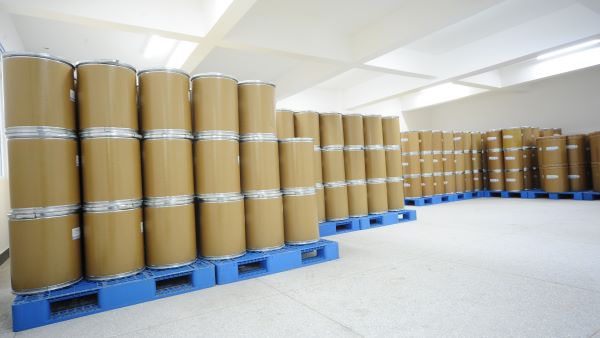
| 25 kg | Drum with double PE liner | 24 months | Cool, dry place, protected from light |
| Custom | Available upon request | See COA | As specified |
Disclaimer
This product is intended for use as an ingredient in dietary supplements and food products. It is not intended to diagnose, treat, cure, or prevent any disease. Statements regarding this product have not been evaluated by the Food and Drug Administration. Consult your healthcare provider before use, especially if you are pregnant, nursing, taking medication, or have a medical condition. Yarrow contains thujone. Individuals with seizure disorders or those taking medications that lower the seizure threshold should avoid yarrow products. Pregnant women should not use yarrow products due to its emmenagogue properties. This information is provided for educational purposes and does not constitute medical advice.
Why Choose Nutraligting
| What You Need | How We Help |
| Need reliable essential oil content | We standardise every batch. GC testing confirms actual essential oil levels, not theoretical values. |
| Need flexible specification options | Two grades – 5% and 15% – let you choose between general wellness and clinical-strength product lines. |
| Need thujone safety assurance | Every batch is tested for thujone content. We ensure compliance with safety thresholds before shipment. |
| Need documentation fast | COA, technical dossier, and regulatory support are ready within 24 hours of request. |
| Need a partner who responds | Direct communication with our technical team. Your questions get real answers, not generic replies. |
References
EMA. Assessment report on Achillea millefolium L., herba. European Medicines Agency. HMPC/290282/2009.
European Pharmacopoeia. Monograph 1382 – Yarrow – Millefolii herba. 10th Edition.
Chinese Pharmacopoeia Commission. Pharmacopoeia of the People’s Republic of China, 2020 Edition, Part 1. Shicao (Millefolii herba) monograph.
FDA. 21 CFR 172.510 – Spices and other plant botanicals. Yarrow, herb and oil.
FDA. Substances Added to Food (EAFUS) – Yarrow, Herb (Achillea millefolium L.), CAS 977000-16-0.
Wulff L, et al. Investigation on the Essential Oils of the Achillea Species. PMC. 2022.
Skaltsa HD, et al. Chemical composition and antimicrobial activity of the essential oil of Achillea millefolium subsp. millefolium. Journal of Agricultural and Food Chemistry. 2003;51(13):3867-3871.
Frequently Asked Questions
Our standard MOQ is 1 kg. Larger quantities are available at competitive wholesale pricing. Please contact our sales team for a custom quote.
Yes, we provide a full Certificate of Analysis (COA) and Material Safety Data Sheet (MSDS) with every shipment. Halal and Kosher certificates are available upon request.
Absolutely. We can adjust the standardization levels for flavonoids and parthenolide to meet your specific formulation requirements.
Sample orders ship within 3-5 business days. Bulk orders typically ship within 10-15 business days after payment confirmation, depending on quantity.
We source from certified organic farms and can provide organic certification documents. Please confirm your requirements with our sales representative.
Packaging & Shipping
Standard Packaging
- Standard packaging: 1kg/aluminum foil bag with two inner plastic bags;
- 25kg/drum with two inner plastic bags.
- Custom packaging and private labeling available upon request.
Shipping Terms
- We ship via DHL, FedEx, UPS, and TNT for express delivery.
- Sea freight and air freight options are available for bulk orders.
- Door-to-door and door-to-port services offered worldwide.
Shelf Life & Storage
- Store in a cool, dry place away from direct sunlight and moisture.
- Keep container tightly sealed when not in use.
- Avoid exposure to high temperatures and humidity to maintain product stability.