Product Description
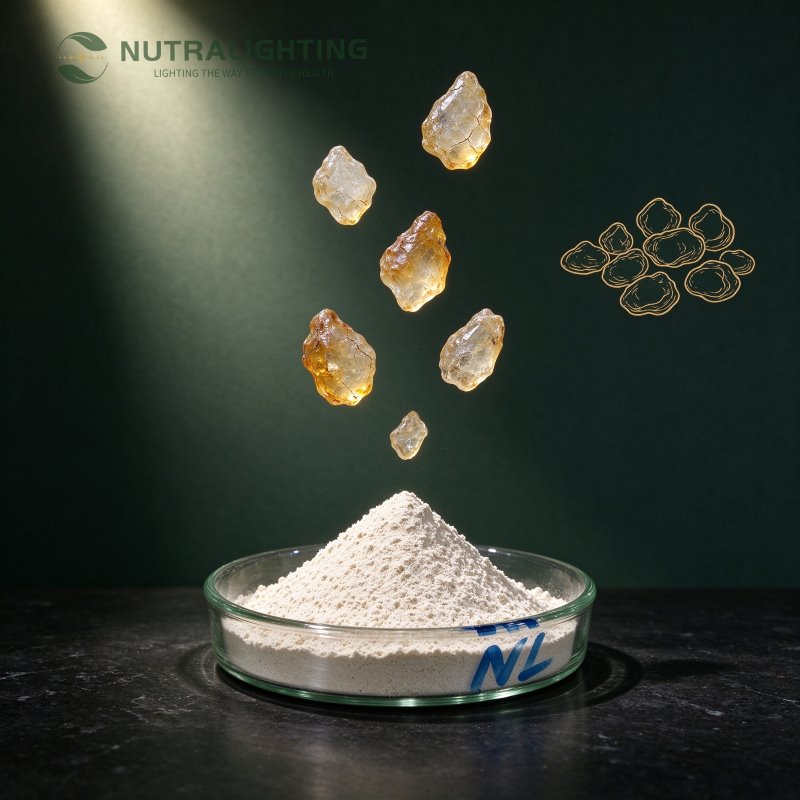
NL Boswellia Extract available in three AKBA grades – 10%, 30%, and 76% – to match your joint support formula from maintenance to clinical-strength positioning.
Basic Information
| Item | Content |
| Botanical Name | Boswellia serrata Roxb. (Burseraceae) |
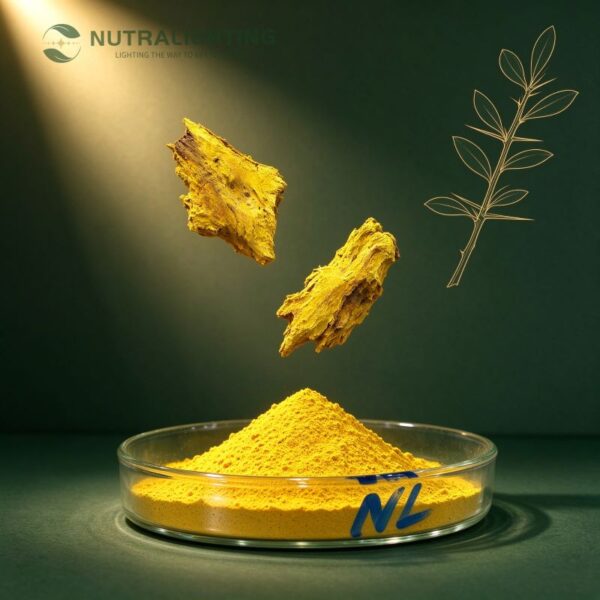
| Part Used | Gum resin |
| Standardised To | AKBA 10% / 30% / 76% (HPLC) |
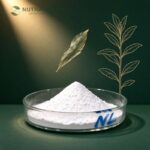
| Appearance | Cream to off-white powder |
| Odour | Characteristic, resinous |
| Solubility | Insoluble in water; soluble in ethanol and glycerin |
| Origin | India (Andhra Pradesh, Gujarat) |
| Particle Size | 80-100 mesh (available on request) |
| Shelf Life | 24 months when stored properly |
| Storage | Cool, dry place away from light and moisture |
Product Description
What We Offer and Why It Matters
We supply Boswellia Extract in three AKBA grades: 10%, 30%, and 76%. Each grade is independently produced and HPLC-verified. This gives formulators clear choices for their product positioning.
The 10% grade is suitable for daily maintenance formulas that combine boswellia with other joint support ingredients such as glucosamine and turmeric. The 30% grade matches the standardisation level used in most published clinical trials. It delivers a reliable dose in a practical capsule fill weight. The 76% grade is our premium water-soluble extract. It enables high-potency softgel and liquid formulations with very small fill volumes.
Key Features
Our raw material comes from naturally tapped Boswellia serrata trees in central and southern India. The gum resin is hand-collected and sun-dried before processing. We use ethanol extraction followed by selective fractionation to concentrate the AKBA fraction. The process is designed to preserve the full boswellic acid profile, not just a single compound.
Every batch is tested for AKBA content before release. We also test for total boswellic acids, residual solvents, and heavy metals. The data is included in the Certificate of Analysis you receive with each shipment.
Active Constituents
Primary Marker: AKBA
3-Acetyl-11-keto-β-boswellic acid (AKBA) is the most potent boswellic acid for 5-lipoxygenase inhibition. It is the primary marker compound used to standardise quality across all grades.
Three grades are available:
- 10% AKBA -entry-level standardisation for multi-ingredient joint formulas
- 30% AKBA -clinically referenced standardisation for standalone boswellia products
- 76% AKBA -high-potency water-soluble grade for softgel and liquid formats
Batch-to-batch variation is kept within ±10% of the labelled AKBA value for all grades.
Secondary Constituents
Total β-boswellic acids include AKBA, 11-keto-β-boswellic acid (KBA), β-boswellic acid (βBA), and 3-O-acetyl-β-boswellic acid (AβBA). These compounds work synergistically. KBA and AβBA also inhibit 5-LOX, though with lower potency than AKBA. βBA contributes anti-inflammatory activity through multiple pathways.
Essential oils from the gum resin contain terpenes such as α-pinene and limonene. These contribute to the characteristic odour and may support gastrointestinal tolerance when taken with meals.
Analytical Data Sheet
| Item | Specification | Method | Result |
| AKBA Content (10% Grade) | ≥ 10.0% | HPLC | 10.0–12.0% |
| AKBA Content (30% Grade) | ≥ 30.0% | HPLC | 30.0–35.0% |
| AKBA Content (76% Grade) | ≥ 76.0% | HPLC | 76.0–80.0% |
| Total β-Boswellic Acids | ≥ 50.0% | HPLC | 55–65% |
| KBA Content | ≥ 5.0% | HPLC | 5.0–8.0% |
| βBA Content | ≥ 10.0% | HPLC | 10.0–15.0% |
| Loss on Drying | ≤ 5.0% | KF | ≤ 5.0% |
| Heavy Metals (Pb) | ≤ 2.0 mg/kg | ICP-MS | < 1.0 mg/kg |
| Heavy Metals (As) | ≤ 1.0 mg/kg | ICP-MS | < 0.5 mg/kg |
| Heavy Metals (Cd) | ≤ 0.3 mg/kg | ICP-MS | < 0.2 mg/kg |
| Heavy Metals (Hg) | ≤ 0.1 mg/kg | ICP-MS | < 0.05 mg/kg |
| Pesticide Residues | Pass | GC-MS/LC-MS | Not Detected |
| Residual Solvents | Pass | GC | Compliant |
| Total Plate Count | ≤ 1000 CFU/g | USP <61> | < 10 CFU/g |
| Yeast & Mold | ≤ 100 CFU/g | USP <61> | < 10 CFU/g |
| E. coli | Negative | USP <61> | Negative |
| Salmonella | Negative | USP <61> | Negative |
Mechanism of Action
5-Lipoxygenase Inhibition
AKBA is a selective inhibitor of the 5-lipoxygenase (5-LOX) enzyme. 5-LOX converts arachidonic acid into leukotriene B4 and other pro-inflammatory leukotrienes. These molecules drive neutrophil recruitment and cartilage degradation in joint tissue.
Unlike NSAIDs, AKBA does not inhibit cyclooxygenase (COX) enzymes. This means it blocks the leukotriene pathway without affecting prostaglandin synthesis. The selectivity may reduce the gastrointestinal side effects associated with COX inhibitors.
Complement System Modulation
Boswellic acids also modulate the complement cascade. They inhibit C5a receptor signalling on immune cells. This reduces chemotaxis and degranulation in inflamed joint tissue. The dual action on 5-LOX and complement pathways may provide broader anti-inflammatory coverage than single-target compounds.
Matrix Metalloproteinase Suppression
In vitro studies show that boswellic acids suppress the expression of matrix metalloproteinases (MMPs) in chondrocytes. MMP-1, MMP-3, and MMP-13 are key enzymes that degrade collagen and proteoglycans in cartilage matrix. Suppressing these enzymes may help preserve joint structure during chronic inflammatory states.
Cytokine Regulation
Boswellia extract reduces the production of TNF-α, IL-1β, and IL-6 in activated macrophage models. These cytokines amplify the inflammatory cascade in osteoarthritic joint tissue. By dampening cytokine release, boswellia may interrupt the cycle of inflammation and tissue breakdown.
Traditional and Modern Use
Traditional Use in Ayurveda
Boswellia serrata gum resin, known as Shallaki in Ayurveda, has been used for over 3,000 years. Practitioners employed it for inflammatory conditions affecting the joints, digestive tract, and respiratory system. The resin was typically prepared as a decoction or mixed with ghee for oral administration.
Modern Ayurvedic formularies continue to include Shallaki as a standard ingredient for vata-related disorders, which encompass joint stiffness and age-related mobility decline.
Modern Research Directions
Clinical research on Boswellia Extract focuses primarily on osteoarthritis of the knee. Multiple double-blind, placebo-controlled trials have demonstrated improvements in pain scores, joint mobility, andWalking distance over 4–12 weeks. A 2024 multi-center RCT reported clinically meaningful improvement within 5 days of supplementation with a 30% AKBA extract at 300 mg twice daily.
Additional research explores boswellia for inflammatory bowel disease, asthma, and exercise-induced muscle soreness. Evidence strength varies by indication. Osteoarthritis has the most robust clinical support. Other applications remain at the exploratory stage.
Regulatory Status
United States (FDA)
Boswellia resin is listed in 21 CFR 182.20 as a substance generally recognized as safe when used as a food flavoring agent. This GRAS status applies to small quantities used for flavour, not to concentrated extracts at supplement doses.
Under DSHEA, Boswellia serrata gum resin may be used as an ingredient in dietary supplements. Structure/function claims related to joint comfort and mobility support may be made provided the mandatory disclaimer is included. This product is not intended to diagnose, treat, cure, or prevent any disease. Formulators should ensure claims are substantiated and compliant with 21 CFR 101.93.
European Union (EFSA)
Boswellia serrata extract has not been evaluated under the EU Novel Food Regulation. The European Novel Food Catalogue does not list it as a restricted substance. However, individual member states may have national-level requirements for herbal medicinal products or food supplements. We recommend verifying local regulations before market entry.
China (NMPA)
The Chinese Pharmacopoeia 2020 Edition, Part 1, lists Olibanum from Boswellia carterii and related species. This is a different species from B. serrata. Boswellia serrata itself is not officially listed in the Pharmacopoeia. It is commonly used in Ayurvedic and international supplement formulations but does not have a formal monograph in Chinese pharmacopeial standards.
Recommended Usage
Dosage Range
Clinical studies commonly use 300-600 mg per day of standardised Boswellia Extract. The 30% AKBA grade is typically dosed at 250-300 mg twice daily. The 10% grade may require 500-1,000 mg per day to deliver a comparable AKBA intake. The 76% grade is used at 50-100 mg per day due to its high potency.
For products targeting joint comfort, dosing with meals may improve tolerability. The resin-derived extract can cause mild gastrointestinal discomfort in some individuals when taken on an empty stomach.
Application Forms
Boswellia Extract is suitable for multiple dosage forms:
Capsules and tablets for joint support supplements
Softgels -especially with the 76% water-soluble grade
Powdered blends for multi-ingredient joint formulas
Chewable formats and gummies
Formulation Notes
The 76% AKBA grade is water-soluble. This enables liquid and softgel formulations that are not possible with standard ethanol extracts. The 10% and 30% grades are lipophilic. They disperse well in oil-based softgel fills or can be micronised for capsule filling. Blend uniformity should be verified through sampling and HPLC analysis.
Quality Assurance
Every production batch is accompanied by a Certificate of Analysis. Our facility operates under GMP guidelines. Raw material sourcing follows strict agricultural practice standards. We do not claim organic certification unless specific documentation is available for a given batch.
| Certificate | Status |
| COA (Certificate of Analysis) | Provided with each batch |
| GMP Compliance | Manufactured under GMP guidelines |
| Halal / Kosher | Available upon request |
| Non-GMO | Boswellia serrata is a tree resin; GMO status not applicable |
| Allergen Declaration | Free from major allergens |
Disclaimer
This product is intended for use as an ingredient in dietary supplements and food products. It is not intended to diagnose, treat, cure, or prevent any disease. Statements regarding this product have not been evaluated by the Food and Drug Administration. Consult your healthcare provider before use, especially if you are pregnant, nursing, taking medication, or have a medical condition. Individuals taking anti-inflammatory medications should consult their physician before using boswellia products. This information is provided for educational purposes and does not constitute medical advice.
Why Choose Nutraligting
| What You Need | How We Help |
| Need clinical-grade AKBA levels | Our 30% and 76% grades match the standardisation used in published RCTs. Your label claims are backed by real data. |
| Need flexible format options | The 76% water-soluble grade enables softgels and liquids. The 10% and 30% grades work in capsules and powders. |
| Need batch-to-batch consistency | HPLC testing on every batch. You get the labelled AKBA content, not an estimate. |
| Need documentation quickly | COA, technical dossier, and regulatory support are ready within 24 hours of request. |
| Need transparent communication | Our technical team responds directly. No routing through multiple layers before you get an answer. |
References
Chinese Pharmacopoeia Commission. Pharmacopoeia of the People’s Republic of China, 2020 Edition, Part I. Olibanum monograph.
Sengupta K, et al. A standardized Boswellia serrata extract shows improvements in knee osteoarthritis within five days-a double-blind, randomized, three-arm, parallel-group, multi-center, placebo-controlled trial. Nutrition Journal. 2024.
Marks-López A, et al. Anti-inflammatory effects of Boswellia serrata in human cartilage explants. Phytomedicine. 2017.
Webb GE, et al. Ten days of supplementation with a standardized Boswellia serrata extract attenuates soreness and accelerates recovery after repeated bouts of downhill running. Nutrients. 2024;16(1):128.
Sharma SK, et al. Efficacy of a novel Boswellia serrata extract (5-Loxin®) in patients with knee osteoarthritis. Advances in Therapy. 2009;26(8):727-738.
Kimtsog D, et al. Boswellia Serrata, a Potential Antiinflammatory Agent: An Overview. International Journal of Applied Research. 2016;2(9):598-602.
FDA. 21 CFR 182.20 – Substances recognized as generally recognized as safe: Oleoresins (simple ether extractives, phenylated ether extractives, and hydrodistilled essential oils).
Frequently Asked Questions
Standard lead time is 7-15 business days after order confirmation. Express shipping options are available for urgent orders.
Yes, we can customize boswellic acid content from 60% to 80% based on your formulation requirements.
Each batch includes a COA, HPLC report, phytochemical analysis, and export documentation. MSDS and allergen statements are available upon request.
Samples of 100-500g are available for quality evaluation. Sample fees may apply and are refundable upon bulk order placement.
Packaging & Shipping
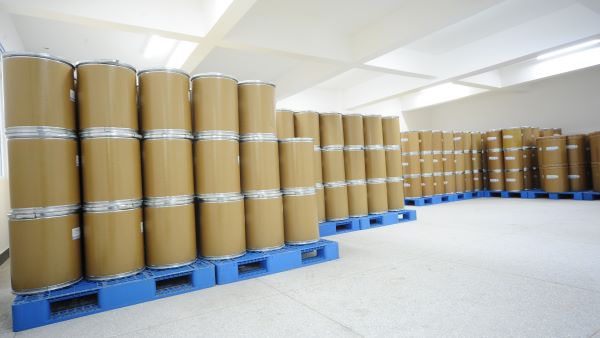
Standard Packaging
- 25kg/carton with double PE bags inside
- 5kg/aluminum foil bag with carton outer
- Custom packaging available upon request
Shipping Terms
- By express (DHL, FedEx, UPS): 3-7 business days
- By air freight: 5-10 business days
- By sea freight: 20-35 business days
- FOB Shanghai / CIF / DDP terms available
Shelf Life & Storage
- Store in a cool, dry place away from direct light and heat.
- Keep container tightly closed when not in use.
- Avoid exposure to moisture and high temperatures.