Product Description
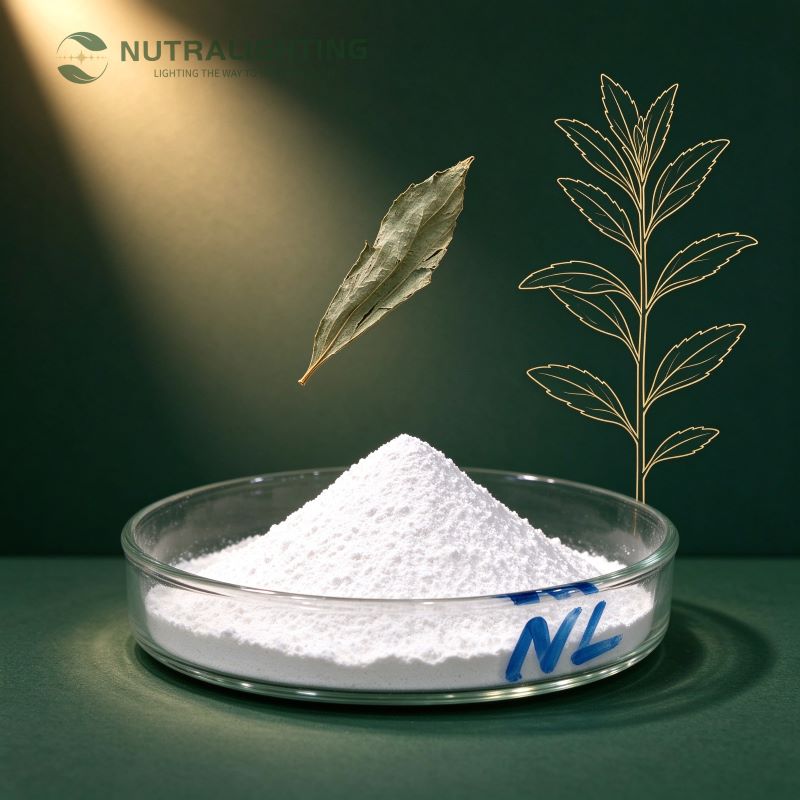
Nutraligting Stevia Extract is produced using advanced purification technology to ensure high purity ( ≥95.0%), consistent quality, and excellent solubility. Available in various concentrations and forms (including liquid and powder) – it caters to diverse formulation requirements.
Product Description
Nutraligting supplies Stevia Extract from the leaves of Stevia rebaudiana (Bertoni), grown in organized cultivation bases across Shandong (Weifang), Hebei (Xingtai) and Yunnan (Honghe) China. China is the world’s largest producer of steviol glycosides, accounting for the vast majority of global stevia raw material supply, and our positioning as a domestic manufacturer gives us direct access to competitively priced, consistently available raw material – an advantage that is especially significant given that stevia pricing is highly sensitive to seasonal harvest variations and global demand spikes. Our standard product lines include steviol glycoside powders at Rebaudioside A (Reb A) purities from 40% to 98%, as well as higher-value specialty grades including Rebaudioside D (Reb D) and Rebaudioside M (Reb M), which offer cleaner taste profiles with less bitter aftertaste. These products are designed for formulators building sugar-free beverages, tabletop sweeteners, dairy products, bakery items, and oral care formulations in the global B2B market.
Stevia rebaudiana, commonly known as stevia or sugarleaf, is a perennial shrub native to Paraguay and Brazil. It has been used for centuries by the Guarani people of South America, who referred to it as sweet herb. The sweet compounds in stevia leaves are diterpene glycosides – the primary ones being stevioside and rebaudioside A, with over 30 other steviol glycosides identified to date. Stevioside provides approximately 250-300 times the sweetness of sucrose, while rebaudioside A is slightly sweeter and has a cleaner taste profile with less bitter aftertaste. The bitterness and bitter aftertaste of crude stevia extracts are primarily attributed to stevioside and rebaudioside C, and the industry has increasingly shifted toward high-purity Reb A (>=95%) and newer, cleaner-tasting glycosides such as Reb D and Reb M to address sensory challenges in end-product formulations. From a regulatory perspective, purified steviol glycosides (>=95% purity) have received GRAS confirmation from the US FDA (GRAS Notice No. 790, February 2019) and are approved as a food additive (E960) in the EU, Japan, Australia/New Zealand, and numerous other jurisdictions. In contrast, crude stevia leaf and low-purity leaf extracts are not generally permitted for use as food additives in most major markets due to insufficient toxicological data on the full leaf matrix. This regulatory distinction is critical: our product portfolio focuses on purified steviol glycoside extracts that meet the >=95% purity threshold required for GRAS and E960 compliance in the United States and European Union markets.
Our extraction process uses food-grade ethanol-water solutions to selectively recover steviol glycosides from dried stevia leaves. The crude extract is further purified through ion-exchange chromatography and crystallization to achieve the target Reb A purity level (40%, 80%, 95%, or 98%), with enzymatic conversion technology available for producing Reb D and Reb M specialty grades. The final product is spray-dried or crystallized into a fine white to off-white powder. All processing aids, solvents, and chromatography resins are food-grade; no synthetic carriers, anti-caking agents, or unnecessary excipients are added to the final powder. We also offer blended products (e.g., Reb A with erythritol or dextrin carriers) for specific formulation needs.
Quality control follows USP/EP standards and Nutraligting internal specifications. Each production batch is accompanied by a Certificate of Analysis covering steviol glycoside profile (HPLC), individual glycoside content (Reb A, Reb D, Reb M, stevioside, etc.), heavy metals (Pb, As, Cd, Hg per USP <561>), pesticide residues, aflatoxins, loss on drying, total ash, and microbiological parameters. Full traceability from raw material to finished product is maintained. Organic-certified, KOSHER, HALAL, and Non-GMO documentation are available on request.
Basic Information
| Item | Content |
| Extract Name | Stevia Extract |
| Botanical Source | Stevia rebaudiana leaves |
| English Common Name | Stevia rebaudiana Extract |
| Sweetness | 200- to 300-fold concentration of sucrose |
| Appearance | White to off-white powder or clear liquid |
| Main Active Components | Steviol glycosides – Stevioside, Rebaudioside A (Reb A), Rebaudioside D (Reb D), Rebaudioside M (Reb M), Rebaudioside C, Dulcoside A |
| Key Specifications | Reb A 40%, 80%, 95%, 98%; Reb D ≥95%; Reb M ≥95%; custom blends available |
| CAS No. | 58543-16-9(Rebaudioside A) |
| Solubility | Highly soluble in water |
| GRAS | Yes (FDA) |
| Target Markets | North America, Europe, Asia-Pacific – Zero-Sugar Sweetener, Clean-Label Formulation segments |
| Core Application Areas | Beverages; Dairy products; Bakery; Tabletop sweeteners; Functional foods; Oral care |
Standard Specifications (COA)
The values below are typical specifications for our standard Reb A 95% grade. Actual values for each batch are reported in the accompanying COA. Custom specification ranges are available for qualifying orders.
| Test Item | Standard |
| Rebaudioside A (HPLC) | ≥95.0% |
| Stevioside | ≤2.0% |
| Rebaudioside D | ≤1.0% (varies by grade; ≥95% available separately) |
| Rebaudioside M | ≤1.0% (varies by grade; ≥95% available separately) |
| Rebaudioside C | ≤1.0% |
| Total Steviol Glycosides | ≥98.0% |
| Loss on Drying | ≤5.0% |
| Total Ash | ≤2.0% |
| Lead (Pb) | ≤0.5 mg/kg |
| Arsenic (As) | ≤1.0 mg/kg |
| Cadmium (Cd) | ≤0.3 mg/kg |
| Mercury (Hg) | ≤0.1 mg/kg |
| Pesticide Residues | Complies with USP <561> |
| Microbiological (TAMC/TYMC/E.coli/Salmonella) | Complies with USP <61> and <62> |
Botanical Source Description
This product is derived from the dried leaves of Stevia rebaudiana (Bertoni), commonly known as stevia or sugarleaf. S. rebaudiana is a perennial shrub native to the humid subtropical regions of Paraguay and Brazil, where it has been cultivated and used by indigenous peoples for centuries. Stevia was introduced to Japan in the 1930s and to China in the 1950s, where it has since become one of the most widely cultivated medicinal and aromatic crops. China is now the world’s largest producer of steviol glycosides, with approximately 300,000 mu (20,000 hectares) of planted area as of 2025, producing over 23,000 tonnes of dried stevia leaves annually. Major cultivation regions include Shandong (Weifang, the largest single producing area at 28.7% of national output), Hebei (Xingtai), Yunnan (Honghe), Jiangsu, and Shaanxi. The diverse growing conditions across these regions – from the warm, humid climate of Yunnan to the continental climate of Qinghai with its large diurnal temperature variation – produce leaves with varying steviol glycoside profiles, allowing raw material selection tailored to specific product requirements.
The steviol glycoside composition of stevia leaves varies significantly by cultivar, growing region, harvest timing, and post-harvest processing. Rebaudioside A is the most commercially valuable glycoside due to its high sweetness and relatively clean taste profile, while stevioside is the most abundant glycoside but has a more pronounced bitter aftertaste. The emerging specialty glycosides – Reb D and Reb M – offer superior sweetness profiles with minimal bitterness and are increasingly in demand for premium clean-label applications. Our procurement team sources raw leaves from farms following standardized cultivation practices, and we maintain raw material blending protocols to ensure consistent glycoside profiles across batches. Full botanical authentication is performed on every incoming raw material lot through macroscopic identification, microscopy, and HPLC fingerprinting.
Core Efficacy
The following efficacy summary is based on published scientific literature and is provided for technical reference. End-product health claims should be validated against the regulations of the target market.
The primary value proposition of Stevia Extract lies in its role as a zero-calorie, natural sweetener that can replace sucrose and other caloric sweeteners in food and beverage formulations. Steviol glycosides are approximately 200-300 times sweeter than sucrose on a weight basis, with Rebaudioside A having a sweetness intensity closer to 200-250× and Stevioside closer to 250-300×. Unlike artificial sweeteners such as aspartame and saccharin, steviol glycosides are derived from a plant source and are perceived by consumers as a “natural” sweetener, making them highly desirable for clean-label positioning. The glycemic index of stevia is zero – it does not raise blood glucose levels and is suitable for diabetic and low-carbohydrate dietary applications. Research has also explored potential metabolic benefits beyond sweetening, including modest improvements in blood pressure regulation and antioxidant activity associated with certain steviol glycosides, though these effects are not the primary commercial application. The accepted daily intake (ADI) for steviol glycosides, established by JECFA and adopted by the FDA and EFSA, is 4 mg/kg body weight per day expressed as steviol equivalents. This ADI translates to approximately 240 mg/day for a 60 kg adult, which represents a substantial safety margin given typical consumption levels in sweetened beverages and foods.
Regulatory & Regional Access Status
The regulatory information below is based on publicly available data. Always verify current requirements with your target market regulator before product launch.
Note: Regulatory status can change. Confirm with the relevant authority or a regulatory consultant prior to export.
| Region / Country | Regulatory Status | Key Notes |
| USA (FDA) | GRAS (General Notice 790, Feb 2019) | Purified steviol glycosides (≥95% purity) received GRAS confirmation from the FDA under GRAS Notice No. 790 (February 26, 2019). GRAS status applies to use as a table-top sweetener and general-purpose non-nutritive sweetener in foods, excluding infant formula and meat/poultry products. Crude stevia leaf and low-purity leaf extracts are NOT GRAS-approved for food use. Steviol glycosides (E960) are permitted in the EU under Regulation (EC) No 1333/2008 as a food additive with an ADI of 4 mg/kg bw/day. Stevia is also approved in Japan (since 1970), Australia/New Zealand (FSANZ), Canada, and over 100 countries worldwide. |
| EU (EFSA) | Food Additive E960 | Steviol glycosides (E960) are authorized as a food additive in the EU under Regulation (EC) No 1333/2008. EFSA re-evaluated the safety of E960 in 2010 and maintained the ADI of 4 mg/kg body weight per day. The 2020 EFSA opinion expanded the specification to include all steviol glycosides identified in Stevia rebaudiana leaves, both major and minor. Steviol glycosides are permitted in a wide range of food categories including beverages, dairy products, confectionery, baked goods, and table-top sweeteners. Crude stevia leaf extracts are not approved as food additives in the EU. |
| China (NHC/NMPA) | Food Additive / New Food Raw Material | Steviol glycosides are approved as a food additive in China (GB 2760-2014 and subsequent amendments) for use in specified food categories. Stevia leaf itself is listed as a New Food Raw Material (Ministry of Health Announcement No. 13 of 2014). China is the world’s largest stevia producer, and domestic stevia extracts face no import/export restrictions for steviol glycoside products. |
Application Directions & Recommended Dosage
| Application | Recommended Dosage | Dosage Forms | Notes |
| Beverages | As per specification | Ready-to-drink bottles, cans, powder sticks | Reb A 95% disperses readily in water. The characteristic bitter aftertaste is the primary formulation challenge – consider using Reb D or Reb M for premium beverage positioning, or blending with erythritol for cost-effective sweetness coverage. |
| Tabletop Sweeteners | As per specification | Single-serve sachets, consumer jars | 98% Reb A is the industry standard for tabletop sweetener products. Blended with erythritol or dextrin at 1:100-1:200 for volumetric equivalence to sucrose. Consumer testing recommended for taste acceptance. |
| Dairy & Frozen Desserts | As per specification | Powder direct-add; liquid concentrate | Stevia is heat-stable during pasteurization and UHT processing. Compatibility with probiotic cultures is excellent. Evaluate interaction with milk proteins and acidity in yogurt formulations. |
| Oral Care Products | As per specification | Toothpaste, mouthwash, lozenges | Zero cariogenicity and non-fermentable by oral bacteria make stevia ideal for oral care. Compatible with fluoride, xylitol, and essential oil systems. Evaluate sensory compatibility with mint and other oral-care flavour systems. |
Recommended Usage Levels by Application
Carbonated and non-carbonated beverages: 200-500 ppm Reb A 95% (equivalent to ~40-100 ppm pure steviol glycosides); adjust based on target sweetness equivalence and flavour masking strategy
Dairy products (yogurt, ice cream): 300-800 ppm Reb A 95%; compatible with probiotic cultures; evaluate thermal processing stability for UHT products
Tabletop sweeteners: 95-98% Reb A grade, packaged as single-serve packets or in consumer jars; consider bulking with erythritol or dextrin at 1:100 to 1:200 ratio for measure-for-measure sucrose replacement
Bakery and confectionery: 200-600 ppm Reb A 95%; stevia is heat-stable up to ~200°C, making it suitable for baked goods; however, high pH in some baking powder formulations may affect glycoside stability -conduct pilot trials
Oral care (toothpaste, mouthwash): 50-200 ppm Reb A 95%; provides sweetness without cariogenic activity; compatible with fluoride and antimicrobial systems
Formulation note: Due to the characteristic bitter aftertaste of steviol glycosides (particularly stevioside and Reb C), high-purity Reb A (≥95%) or specialty grades such as Reb D and Reb M are recommended for sensitive applications where taste quality is critical. Blending with other sweeteners (erythritol, allulose, monk fruit extract) can improve taste profile and reduce cost per unit of sweetness.
Other Precautions
Keep containers tightly closed after opening -steviol glycosides are highly hygroscopic and will absorb moisture from humid air, leading to clumping and potential microbial growth
For beverages: Reb A 95% is highly water-soluble and disperses readily in cold and warm water. The characteristic bitter aftertaste is the primary sensory challenge -consider using Reb D, Reb M, or blending with erythritol to improve taste profile.
For dairy and frozen desserts: Stevia is stable during pasteurization and UHT processing. Evaluate compatibility with milk proteins and acidity in yogurt and cheese formulations.
For baked goods: Stevia is heat-stable up to approximately 200°C. However, high pH environments (e.g., baking soda-powered formulations) may degrade some glycosides -conduct pilot baking trials before scale-up.
For tabletop sweeteners: Consider bulking with erythritol or dextrin at ratios of 1:100 to 1:200 (sweetener : bulking agent) for volume-equivalent sucrose replacement. Conduct consumer taste testing to optimize the blend ratio.
Safety & Compliance
PURIFIED STEVIOGLYCOSIDES (≥95%): The FDA has confirmed GRAS status for purified steviol glycosides at ≥95% purity under GRAS Notice No. 790 (February 26, 2019). Steviol glycosides (E960) are approved as a food additive in the EU, Japan, Australia/New Zealand, and over 100 countries worldwide. The JECFA ADI is 4 mg/kg body weight per day expressed as steviol equivalents.
CRUDE STEVIA LEAF EXTRACTS: Crude stevia leaf powder and low-purity leaf extracts (below 95% steviol glycoside purity) are NOT approved as food additives or GRAS substances in the US, EU, or most major markets. These products may only be marketed as dietary supplements under DSHEA in the US. Do not market crude leaf extracts as food ingredients without verifying regulatory compliance for your target market.
GENERAL SAFETY: Steviol glycosides are generally recognized as safe at the accepted daily intake. No adverse health effects have been reported at consumption levels within the ADI. However, individuals with specific health conditions should consult a healthcare provider before consuming concentrated stevia products.
This product information is provided for B2B technical and purchasing reference only. It does not constitute medical advice or authorized health claims for end consumers. Brand owners are responsible for ensuring their product labeling complies with all applicable regulations in their target market. Structure/function claims on US dietary supplement labels must comply with 21 CFR 101.93 and include the mandatory disclaimer: “This statement has not been evaluated by the Food and Drug Administration. This product is not intended to diagnose, treat, cure, or prevent any disease.”
Why Choose Nutraligting Stevia Extract?
The stevia ingredient market is dominated by a handful of large suppliers, but the differences between high-purity Reb A (≥95%), low-purity crude extracts, and newer specialty glycosides like Reb D and Reb M are often blurred in procurement conversations – and the regulatory consequences of choosing the wrong grade can be significant. We help you make the right choice the first time, with transparent specification documentation and competitive pricing rooted in China’s dominant stevia supply chain.
You need a stevia grade that meets FDA GRAS requirements for food use, but many suppliers offer low-purity crude extracts that do not qualify for GRAS -and using the wrong grade can expose your product to regulatory non-compliance in the US market. We clearly label every product by its steviol glycoside purity level and provide GRN 790 compliance documentation, so you can confidently specify the correct grade for your intended food or supplement application.
You want to reduce bitter aftertaste in your beverage or candy formulation, but most stevia suppliers simply ship Reb A 95% and leave taste optimization entirely to your R&D team. We recommend switching to Reb D or Reb M specialty grades when bitterness is a concern, and we provide practical blending strategies (Reb A + erythritol, Reb D + Reb M combinations) along with taste-masking guidance -so your final product tastes as good as it labels.
You want to position your stevia product as “clean-label” and “natural,” but the regulatory landscape for stevia terminology is complex and varies by market -the term “stevia leaf extract” is not permitted in the EU food additive framework, while “steviol glycosides” is the approved designation. We provide accurate, market-compliant naming and labeling guidance in our technical dossier, so your brand avoids regulatory missteps and communication confusion in every market you enter.
You need a supplier with competitive pricing and reliable domestic supply, but many stevia extract suppliers source raw leaves from South America or third-party traders, introducing currency risk, seasonal volatility, and supply-chain uncertainty. China produces over 70% of the world’s steviol glycosides, and our direct sourcing from Shandong, Hebei, and Yunnan gives us a stable, domestically-controlled supply at structurally lower cost -a sustainable competitive advantage that is difficult for competitors relying on imported raw material to replicate.
You need flexible customization for your specific purity and formulation requirements, but many suppliers only offer fixed Reb A 95% with no alternative grades. Whether you need Reb A at 40% for cost-optimized applications, Reb A at 98% for premium positioning, Reb D or Reb M for clean-label sweetness, or a custom blend with erythritol or dextrin, we accommodate the changes -with clear communication on lead times and minimum order quantities before you commit.
Appendix: References
(The following references are provided for technical reference. Some are open access and can be accessed via PubMed, PMC, or the journal websites.)
[1] FDA GRAS Notice No. 790. Steviol glycosides (minimum purity 95%). Closure date: February 26, 2019. FDA has no questions.
[2] EFSA Panel on Food Additives and Nutrient Sources added to Food (ANS). Scientific opinion on the re-evaluation of steviol glycosides (E 960) as a food additive. EFSA Journal, 2010; 8(10): 1898.
[3] EFSA ANS Panel. Opinion on the amendment of the specifications of the food additive steviol glycosides (E 960). EFSA Journal, 2020; 18(12): 6311.
[4] JECFA. Joint FAO/WHO Expert Committee on Food Additives. Safe level of steviol glycosides. WHO Food Additives Series 67, 2011. ADI: 4 mg/kg bw/day expressed as steviol equivalents.
[5] Serrano MV. et al., Food Chemistry, 2015. – Review of steviol glycoside chemistry, sensory properties, and regulatory status.
[6] GB 2760-2014. National Food Safety Standard – Usage of Food Additives (China). Steviol glycosides approved for use in specified food categories.
[7] Regulation (EC) No 1333/2008. European Parliament and Council on food additives. Steviol glycosides (E960) listed as authorised food additive.
[8] Zhang X. et al., Journal of Agricultural and Food Chemistry, 2016. – Steviol glycoside biosynthesis and genetic engineering of Stevia rebaudiana.
Frequently Asked Questions
Yes. Stevia Extract has been granted GRAS status by the FDA and is approved for use in over 60 countries, including the EU and Japan, with established acceptable daily intake (ADI) guidelines.
Stevia Extract is a concentrated form containing purified steviol glycosides, providing significantly higher sweetness intensity with no bitter aftertaste, whereas raw stevia leaves have a much lower sweetness potency and stronger herbal flavor.
Yes. Nutralighting supports OEM/ODM services, including custom sweetness profiles, blends with other natural sweeteners, and private-label packaging for B2B clients.
Our standard MOQ is 25 kg per order. For liquid forms and custom formulations, please contact our sales team for specific requirements.
Absolutely. We provide a Certificate of Analysis (COA), MSDS, and all relevant compliance documents for every batch shipped.
Packaging & Shipping
Standard Packaging
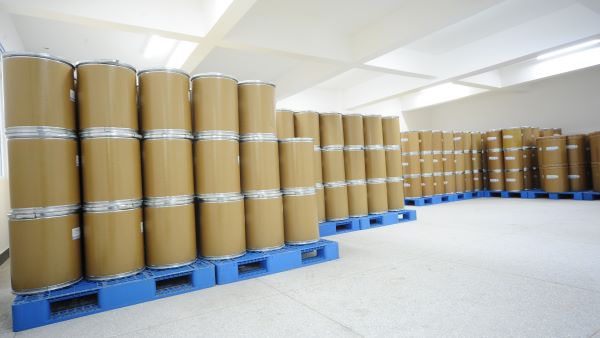
- Standard packaging: 25 kg cardboard drums with double inner PE bags.
- Custom packaging: 1 kg aluminum foil bags, 5 kg bags, or liquid in 200 kg drums — available upon request.
- Neutral or branded packaging options for private-label clients.
Shipping Terms
- Shipped via express (DHL, FedEx, UPS), air freight, or sea freight depending on order volume and destination.
- Delivery time: 7–15 working days (express); 20–35 working days (air/sea).
- Documents provided: Commercial invoice, packing list, COO, and phytosanitary certificate as required.
Shelf Life & Storage
- Store in a cool, dry place away from direct sunlight and moisture.
- Keep container tightly sealed when not in use.
- Maintain temperature between 15°C–25°C for optimal stability.
- Protect from strong odors and contaminants.