Product Description
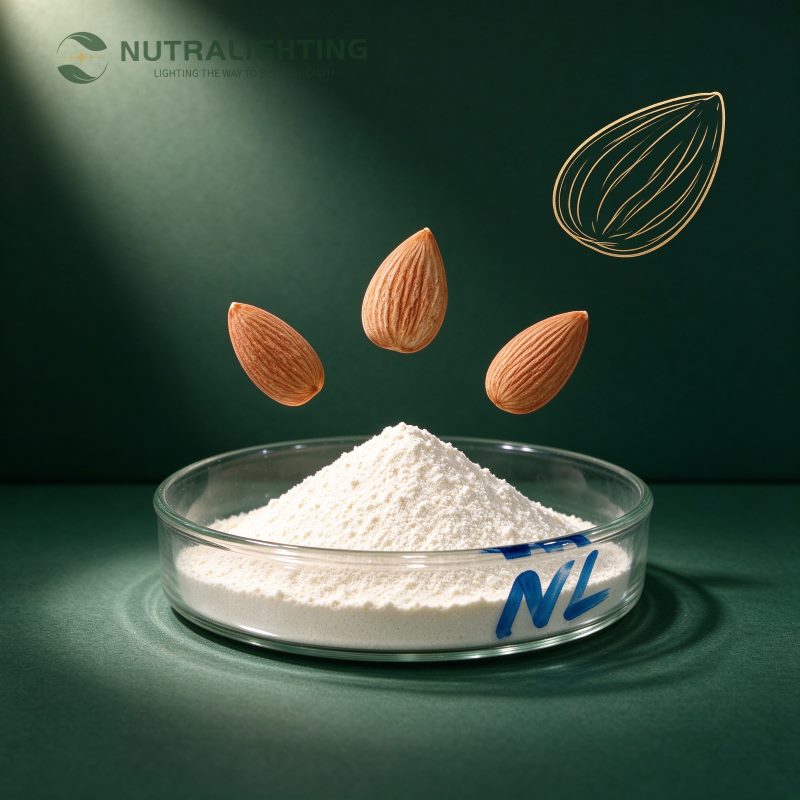
Bitter Almond Extract (Prunus dulcis / Prunus amygdalus) is a standardised botanical extract traditionally associated with formulations for respiratory support, cough-related, and traditional herbal applications. Offered in amygdalin content specifications of 5%, 10%, 50%, and 98%.
Basic Information
| Item | Content |
| Botanical Name | Prunus armeniaca L. var. ansu Maxim. / Prunus sibirica L. / Prunus mandshurica Koehne (Rosaceae) |
| Part Used | Dried mature seed kernel (Semen Armeniacae Amarum) |
| Plant Origin | Native to China; cultivated across northern, northwestern, and northeastern provinces including Liaoning, Hebei, Shanxi, Shaanxi, Gansu, Inner Mongolia, and Heilongjiang. China is the world’s largest producer of bitter apricot kernels for traditional medicine and extract manufacturing |
| Solvent | Food-grade ethanol / water (Ph. Eur. grade) |
| Standardisation | Amygdalin (HPLC at 207 nm) |
| Specifications | 5% / 10% / 50% / 98% amygdalin (HPLC); 5% and 10% grades are food-grade extracts suitable for TCM-aligned formulations. 50% and 98% grades are high-purity isolates for research and pharmaceutical applications |
| Appearance | Fine powder, off-white to light beige |
| Odour | Characteristic bitter almond odour |
| Taste | Bitter |
| Moisture | ≤ 8.0% (LoD) |
| Ash | ≤ 3.0% (Total ash) |
| Heavy Metals | Pb ≤ 2 ppm; As ≤ 1 ppm; Hg ≤ 0.1 ppm; Cd ≤ 0.3 ppm |
| Residual Solvents | Ethanol ≤ 2,000 ppm (Ph. Eur. 2.4.24) |
| Cyanide Content | Must be tested; free cyanide must be below detectable limits (≤ 0.5 ppm) in final product |
| Microbiological | Total aerobic count ≤ 10^3/g; Yeast & mould ≤ 10^2/g; E. coli negative; Salmonella negative |
| Particle Size | 95% pass 80 mesh (180 μm) |
| Shelf Life | 24 months (store below 25°C, protected from light and moisture) |
| Target Market | China, Japan, South Korea, Southeast Asia, EU (research use only) |
| Core Application Areas | Respiratory support supplements; Cough relief formulations; Traditional herbal preparations; Pharmaceutical raw material; Cosmetic formulations |
IMPORTANT SAFETY NOTE: Bitter Almond Extract contains amygdalin, a cyanogenic glycoside that releases hydrocyanic acid (cyanide) upon metabolism. This product is NOT approved as a dietary supplement in the United States or European Union. Inappropriate use can cause severe cyanide poisoning, which may be fatal. This product must ONLY be used under professional supervision. Raw bitter almond kernels must be properly processed before any internal use.
Product Description
Bitter Almond Extract is obtained from the dried seed kernel of Prunus armeniaca L. var. ansu Maxim. or related Prunus species. It belongs to the Rosaceae family and is native to China.
Four specification grades are available – 5%, 10%, 50%, and 98% amygdalin. Each grade is independently verified by HPLC at 207 nm using CAS 29883-15-6 reference standard. The 5% and 10% grades are designed for traditional Chinese medicine-aligned formulations where lower amygdalin content is appropriate for therapeutic use. The 50% and 98% grades are high-purity isolates intended for research and pharmaceutical applications.
The key bioactive constituent is amygdalin, a cyanogenic glycoside that has been used in traditional Chinese medicine for over 2,000 years. Amygdalin is metabolized to release benzaldehyde and hydrogen cyanide. In controlled traditional preparations, the cyanide release is managed through proper processing and dosing.
Prunus armeniaca is widely cultivated across northern, northwestern, and northeastern China. Major producing regions include Liaoning, Hebei, Shanxi, Shaanxi, Gansu, Inner Mongolia, and Heilongjiang. China is the world’s largest producer of bitter apricot kernels for traditional medicine.
Active Constituents
The bioactive profile of Bitter Almond Extract is defined by amygdalin content.
Primary Marker: Amygdalin
Amygdalin (CAS 29883-15-6, C20H27NO11, MW 457.43) is the principal bioactive compound in bitter almond extract. It is quantified by HPLC at 207 nm. Amygdalin is a cyanogenic glycoside composed of two glucose molecules and a mandelonitrile aglycone. Upon hydrolysis by beta-glucosidase enzymes, amygdalin releases benzaldehyde and hydrogen cyanide (HCN). This metabolic pathway is responsible for both its pharmacological effects and its toxicity.
Safety Consideration
Hydrogen cyanide released from amygdalin metabolism is highly toxic. Even small amounts can cause acute cyanide poisoning. The body detoxifies cyanide through the enzyme rhodanese, which converts cyanide to thiocyanate (SCN-), excreted in urine. However, this capacity is limited, and excessive amygdalin intake can overwhelm detoxification pathways.
COA Standard Specifications
| Item | Specification | Method | Result Range |
| Amygdalin | 5% / 10% / 50% / 98% | HPLC 207 nm | Varies by grade |
| Loss on drying | ≤ 8.0% | LoD 105°C | – |
| Total ash | ≤ 3.0% | Char at 600°C | – |
| Lead (Pb) | ≤ 2 ppm | ICP-MS | – |
| Arsenic (As) | ≤ 1 ppm | ICP-MS | – |
| Mercury (Hg) | ≤ 0.1 ppm | ICP-MS | – |
| Cadmium (Cd) | ≤ 0.3 ppm | ICP-MS | – |
| Ethanol residual | ≤ 2,000 ppm | GC (Ph. Eur. 2.4.24) | – |
| Total aerobic count | ≤ 10^3/g | Ph. Eur. 2.6.12 | – |
| Yeast and mould | ≤ 10^2/g | Ph. Eur. 2.6.12 | – |
| E. coli | Negative | Ph. Eur. 2.6.12 | – |
| Salmonella | Negative | Ph. Eur. 2.6.12 | – |
| Free cyanide | ≤ 0.5 ppm | Microdiffusion method | Must be non-detectable |
Mechanism of Action
Respiratory Effects (Traditional Use)
In traditional Chinese medicine, Bitter Almond Extract is used to descend Lung Qi, stop coughing, and relieve wheezing. The active compounds are believed to modulate respiratory center activity in the brainstem, reducing cough reflex sensitivity and bronchial spasms. This traditional use is well-documented in Chinese pharmacopoeia and TCM literature.
Benzaldehyde Release
Amygdalin hydrolysis releases benzaldehyde, which contributes to the characteristic aroma and may have mild sedative and antitussive (cough-suppressing) effects. Benzaldehyde also provides the distinctive bitter almond odour.
Gastrointestinal Effects
Bitter Almond Extract has been traditionally used to moisten the intestines and relieve constipation. The oil content in bitter almond kernels contributes to this laxative effect.
Traditional and Modern Use
Bitter Almond (Ku Xing Ren) has been used in traditional Chinese medicine for over 2,000 years. It is listed in the Divine Farmer’s Materia Medica (Shennong Bencao Jing), one of the oldest TCM texts.
In TCM practice, Bitter Almond is primarily indicated for respiratory conditions including cough, wheezing, and asthma. It is also used for intestinal dryness and constipation. The standard TCM dosage of raw bitter almond is 3-10 g per day in decoction form.
A Chinese national standard (T/CNHFA 111.138-2024) was issued in August 2024 for bitter almond as a raw material for health food. The standard requires a minimum amygdalin content of 3.0% (HPLC method). This standard provides quality control guidance for the bitter almond extract industry in China.
In contemporary practice, Bitter Almond Extract is incorporated into TCM-aligned respiratory support formulations and cough relief products. It is also used in cosmetic formulations for its characteristic aroma.
Regulatory Status
China
Bitter Almond is included in the Chinese Pharmacopoeia (ChP 2020) as a licensed traditional medicinal ingredient. The ChP requires a minimum amygdalin content of 2.0% in raw material and 3.0% in prepared preparations (Kuxingren). T/CNHFA 111.138-2024 provides additional quality standards for health food-grade bitter almond extract, requiring ≥3.0% amygdalin content.
United States (FDA)
The FDA has banned the sale and distribution of laetrile (amygdalin) as a cancer treatment due to cyanide poisoning risk. Import Alert 99-53 restricts importation of apricot kernels and bitter almonds that may contain dangerous levels of amygdalin. Amygdalin is NOT approved as a dietary supplement ingredient in the United States. The FDA warns that consumption of raw bitter almond kernels or amygdalin supplements can cause serious cyanide poisoning.
European Union (EFSA)
EFSA issued a scientific opinion in 2016 warning that raw bitter apricot kernels pose an acute health risk due to cyanogenic glycoside content. A single serving of just 1-7 raw kernels can exceed the tolerable daily intake of cyanide. Products containing amygdalin are not authorised as food supplements in the EU. Bitter almond extract may be permitted for research or cosmetic use under national legislation.
Recommended Usage
IMPORTANT: Bitter Almond Extract must be used ONLY under professional supervision. Do not self-administer.
TCM-Aligned Dosage (Professional Use Only)
For traditional Chinese medicine formulations under professional supervision:
5% grade: 500-2,000 mg per day in TCM decoction or capsule form
10% grade: 300-1,000 mg per day in TCM decoction or capsule form
50% / 98% grades: Research and pharmaceutical applications only; not for general consumer use
Processing Requirements
Raw bitter almond kernels MUST be properly processed before any internal use. Traditional processing methods include: steaming, boiling, or stir-frying with bran. These processes reduce toxicity by denaturing beta-glucosidase enzymes that would otherwise convert amygdalin to cyanide during digestion. Unprocessed raw kernels carry significantly higher toxicity risk.
Maximum Safe Exposure
EFSA establishes a tolerable daily intake (TDI) of 20 μg/kg body weight for cyanide. For a 60 kg adult, this equals approximately 1,200 μg (1.2 mg) of cyanide per day. The conversion factor from amygdalin to cyanide is approximately 0.06% by weight. Therefore, even a 5% amygdalin extract requires careful dose calculation to avoid exceeding cyanide limits.
Precautions
IMPORTANT SAFETY NOTE: Bitter Almond Extract contains amygdalin, a cyanogenic glycoside. Misuse can cause severe cyanide poisoning, which may be fatal. This product must ONLY be used under professional supervision and in compliance with local regulations.
General Precautions
This product must NOT be used as a cancer treatment or dietary supplement without professional guidance. Raw bitter almond kernels are toxic and must never be consumed raw. All bitter almond products must be properly processed before use. Keep out of reach of children. Store in a cool, dry place below 25°C.
Cyanide Poisoning Risk
Cyanide poisoning symptoms include headache, dizziness, nausea, vomiting, rapid breathing, confusion, and loss of consciousness. Severe poisoning can lead to coma, respiratory failure, and death. If cyanide poisoning is suspected, seek immediate emergency medical attention. Treatment includes administration of cyanide antidote kits (hydroxocobalamin or sodium thiosulfate).
Drug Interactions
Bitter Almond Extract may interact with medications that affect liver function or cyanide detoxification pathways. Consult a healthcare professional before use if taking prescription medications, particularly those metabolised by the liver.
Contraindications
This product is NOT recommended for:
- Pregnant or breastfeeding women
- Children under 12 years of age
- Individuals with liver or kidney disease
- Individuals with known hypersensitivity to Prunus species
- Anyone considering use for cancer treatment without medical supervision
When to Discontinue
Discontinue use immediately and seek emergency medical attention if you experience symptoms of cyanide poisoning.
Symptoms include: headache, dizziness, nausea, vomiting, rapid breathing, confusion, weakness, or loss of consciousness.
Quality Assurance
All Bitter Almond Extract batches are manufactured under GMP conditions. Raw kernel material is sourced from certified cultivations in Liaoning, Hebei, Shanxi, Shaanxi, and Inner Mongolia provinces, China.
| Certificate | Status |
| Certificate of Analysis (COA) | Batch-specific, provided with shipment |
| Amygdalin Verification | Batch-tested by HPLC at 207 nm against CAS 29883-15-6 standard |
| ChP 2020 Compliance | Met (minimum amygdalin content per Pharmacopoeia) |
| CNHFA Standard Compliance | Met (T/CNHFA 111.138-2024, ≥3.0% amygdalin) |
| Microbiological Testing | Ph. Eur. 2.6.12 compliant |
| Heavy Metal Testing | ICP-MS, batch-tested |
| Residual Solvent Testing | GC, Ph. Eur. 2.4.24 compliant |
| Cyanide Content Testing | Microdiffusion method, batch-tested |
Disclaimer
This product is NOT approved as a dietary supplement, food ingredient, or cancer treatment in the United States, European Union, or most other jurisdictions. It is intended for use in TCM-aligned formulations under professional supervision, or for research and pharmaceutical applications where permitted by law.
Amygdalin (laetrile) is banned as a cancer treatment in the United States. The FDA has issued import alerts restricting entry of products containing dangerous levels of amygdalin. Consumers should NOT use this product as a cancer treatment or alternative therapy.
Bitter Almond Extract contains a cyanogenic glycoside. Improper use can cause severe cyanide poisoning and death. This product must only be handled by trained professionals. Final claim substantiation and regulatory compliance are the responsibility of the brand owner. Always consult local regulations before marketing or distributing this product.
Bitter Almond is distinct from Sweet Almond (Prunus armeniaca var. duclouxiana), which contains negligible amygdalin and is used as a food ingredient. This document covers Bitter Almond Extract with significant amygdalin content.
Why Choose Nutralighting
References
Chinese Pharmacopoeia Commission. “Chinese Pharmacopoeia 2020 Edition, Volume I.” Amygdalin assay method: HPLC at 207 nm, mobile phase acetonitrile-0.1% phosphoric acid (8:92). Minimum amygdalin content ≥2.0% in raw material.
EFSA Panel on Contaminants in the Food Chain (CONTAM). “Scientific Opinion on the risks for public health related to the presence of cyanide in food.” EFSA Journal. 2016;14(3):4424. TDI for cyanide: 20 μg/kg bw/day.
FDA. “Import Alert 99-53: Apricot Kernels and Bitter Almonds.” U.S. Food and Drug Administration. Warning: These products present the greatest safety concern due to high amygdalin concentrations.
Memorial Sloan Kettering Cancer Center. “Amygdalin.” About Herbs Database. FDA has banned the sale and use of amygdalin (Laetrile) due to risk of cyanide poisoning.
National Cancer Institute (NCI). “Laetrile/Amygdalin (PDQ) – Health Professional Version.” Laetrile is not approved for use as a cancer treatment in the United States.
CNHFA. “T/CNHFA 111.138-2024: Raw Materials for Health Food – Armeniaca Semen Amarum.” Issued August 2024. Requires amygdalin ≥3.0% (HPLC method).
PMC9816781. “Onco-immunity and therapeutic application of amygdalin: A review.” Amygdalin: C20H27NO11, MW 457.4, CAS 29883-15-6. Colorless substance, mp 213°C.
Cayman Chemical. “Amygdalin (Product No. 26668).” CAS 29883-15-6, C20H27NO11, MW 457.4, purity ≥98%. Verified reference standard source.
Frequently Asked Questions
24 months when stored in a cool, dark place away from direct sunlight and moisture.
Yes, we support ODM/OEM packaging for bulk and private-label orders. Contact us for details.
MOQ starts at 1 kg. Volume discounts available for larger orders.
Packaging & Shipping
Standard Packaging
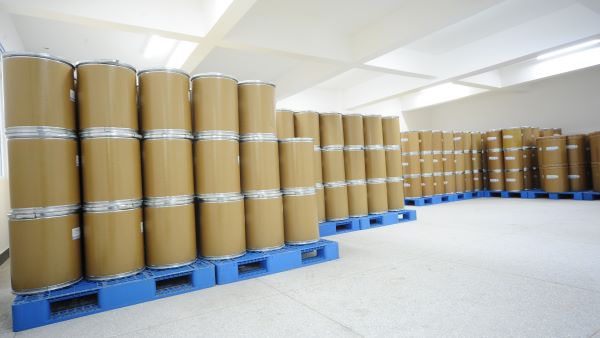
- Standard: 1 kg aluminum foil bag with double seal; 25 kg drum for bulk. Custom packaging available.
- Private label: Flexible labeling and branding options.
Shipping Terms
- Worldwide shipping via DHL, FedEx, UPS, or sea freight.
- Lead time: 3–7 business days for samples; 15–30 days for bulk orders.
- Free sample available upon request.
Shelf Life & Storage
- Store in a cool, dry place below 25°C. Keep away from direct sunlight, heat sources, and moisture. Seal tightly after opening.