
Herbal Residue Check after Echinacea Extraction
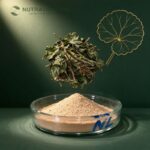
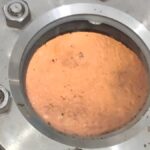
The echinacea extraction process in the workshop has just finished. The technician walks over to the slag discharge port of the extraction tank and bends down to inspect the freshly discharged echinacea herb residue. He casually picks up a small pinch of the residue, gently rubs it apart between his fingertips, and observes the residue’s color, moisture level and loose texture under the natural light in the workshop. This is to confirm that core active components such as cichoric acid and alkylamides in this batch of echinacea raw materials have been fully dissolved out, with no incomplete extraction occurring.
This is an extremely routine small quality control step in the plant extraction workshop. No complex instrument testing is required. Relying solely on the practical experience accumulated by frontline technicians, the on-site verification of the effectiveness of the extraction process is completed in just a few seconds, which serves as the first critical checkpoint for raw material utilization rate before the subsequent concentration process.
These herb residues after echinacea extraction will not be treated as ordinary waste. All of them will be transported back to our cooperative planting bases, fully fermented into organic fertilizers, and then reused to nourish the cultivation of echinacea and other medicinal plants. This forms a complete ecological cycle that runs from the farm fields to the workshop and finally back to the fields.