Product Description
Nutralighting’s Rhubarb Extract undergoes rigorous quality control at every stage – from raw material sourcing to final packaging. We adhere to GMP standards and provide full COA documentation, heavy metal testing, and pesticide residue analysis upon request. This extract is widely used in the dietary supplement, pharmaceutical, and cosmetic industries for its antioxidant, anti-inflammatory, and digestive-support properties.
Product Description
Under the modern demands of ‘colon cleansing’ and ‘metabolic management,’ rhubarb is one of the few herbs with both a millennium of clinical use and evidence-based support. Nutralighting Rhubarb Extract uses Qinghai authentic palm-leaf rhubarb as the raw material, standardized for anthraquinones (such as emodin), presenting its traditional claims of ‘moistening the intestines to relieve constipation, clearing heat and benefiting the gallbladder, lowering lipids and blood sugar’ as a reliable story supported by the ‘Chinese Pharmacopoeia’ and metabolic research.
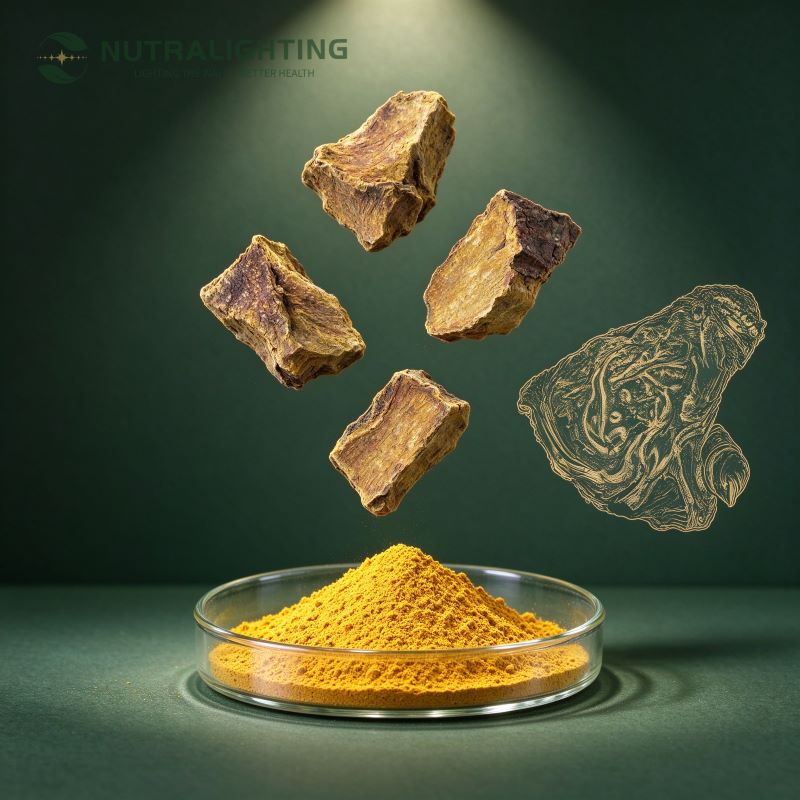
Rhubarb extract, marked by emodin and rhein glycosides as key active components, is selectively enriched from plant raw materials, with controllable emodin content of 10%-98% (HPLC). It targets digestive health, liver support, and metabolic management, serving dietary supplements, functional foods, and personal care formulations. The rhubarb extract uses authentic Qinghai medicinal materials, strictly controls arsenic levels, meets anthraquinone content standards, and is suitable for the development of digestive and metabolic products.
Rhubarb is a classic purgative and hemostatic herb in traditional Chinese medicine, widely used in digestive and liver health products. Attention should be paid to the safety of long-term anthraquinone use.
Basic Information
| Project | Content |
| Extract name | Rhubarb extract |
| Botanical Source | Rheum palmatum L. / Rheum officinale Baill. |
| Common English Name | Rhubarb Root Extract / |
| Part Used | Root and Rhizome |
| Extraction Solvent | Ethanol-Water |
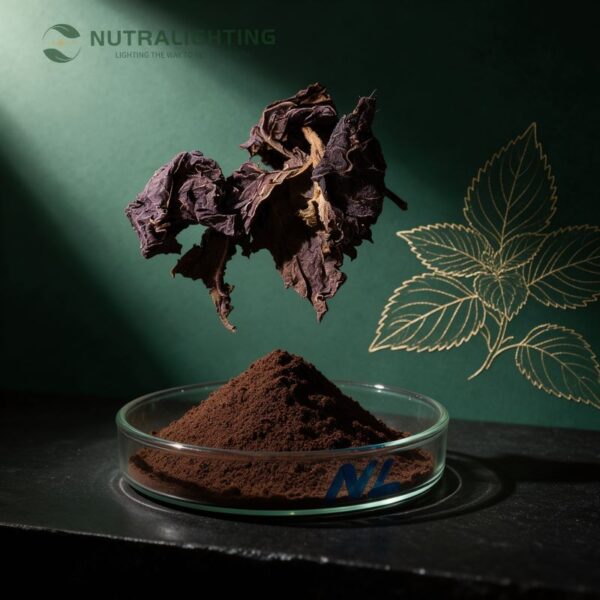
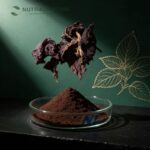
| Appearance | Brown to dark brown fine powder |
| Pesticide Residues | Complies with USP/EP standards |
| Main Components | Emodin, Rhein glucoside |
| Main Specification | Emodin 10%-98% (HPLC) |
| Target Market | Global (Pharmaceuticals) |
| Core Application Areas | Digestive Health (Laxative); Liver Support; Metabolic Management (Blood Lipids/Blood Sugar) |
| Product Classification | Natural Anthraquinone Extract |
Why Choose Nutralighting
Authentic raw materials: Authentic Palmate Rhubarb (Rheum palmatum), strictly controlling limits of heavy metals such as arsenic, with a COA for each batch.
Standardized activity: Anthraquinones such as Emodin detected by HPLC, with stable and controllable content.
Standard Specifications (COA)
The following specifications are for general reference only; the actual values shall be based on the COA report of each batch.
| Test Items | Standards |
| Emodin | Emodin 10%-98% (HPLC) |
| Loss on Drying | ≤5.0% |
| Total Ash | ≤6.0% |
| Lead (Pb) | ≤1.0 mg/kg |
| Arsenic (As) | ≤2.0 mg/kg |
| Cadmium (Cd) | ≤0.5 mg/kg |
| Mercury (Hg) | ≤0.1 mg/kg |
| Pesticide Residues (Organochlorine/Organophosphorus) | Complies with USP <561> |
| Aflatoxin B1 | ≤5.0 μg/kg |
| Total Aflatoxins | ≤10.0 μg/kg |
| Total Microbial Count (TAMC) | ≤1×10⁴ CFU/g |
| Yeast and Mold (TYMC) | ≤1×10² CFU/g |
| Escherichia coli | Not detected (1g) |
| Salmonella | Not detected (1g) |
Introduction to Plant Materials
The raw materials of this product are the dried roots and rhizomes of Rheum palmatum L., Rheum tanguticum, or Rheum officinale of the Polygonaceae family. They are mainly produced in Qinghai, Tibet, Sichuan, and other regions. The 2020 edition of the Chinese Pharmacopoeia, Volume I, includes standards for rhubarb. Rhubarb is bitter in taste and cold in nature, enters the spleen, stomach, large intestine, liver, and pericardium meridians, and has the effects of purging accumulation, clearing heat and fire, and cooling blood to detoxify.
Core Benefits
The following summary of effects is based on published scientific research and traditional applications, and the specific effects need to be comprehensively evaluated in combination with the product form and usage dosage.
[Main Efficacy Overview] Rhubarb extract has classic applications in the digestive system and liver protection. Anthraquinone components can stimulate intestinal peristalsis and promote bile secretion. In the management of metabolic syndrome, rhubarb can reduce blood lipids and blood sugar. Qinghai is the native production area.
Regulations and Regional Access Status
The following information is compiled based on publicly available regulatory data; for actual market access, please refer to the latest regulations of the target country.
| Region/Country | Regulatory Status | Key Notes |
| United States (FDA) | Dietary Supplement / GRAS | For plant extracts, they are generally regulated as dietary supplements; some components have been recognized as GRAS (specific cases need to be confirmed individually). USP has included monographs on various extracts. |
| European Union (EFSA) | Traditional herbal medicines / dietary supplements | EU Directive 2004/24/EC regulates traditional herbal medicines; extracts used as ingredients in dietary supplements must comply with the EU Novel Food Regulation (EU) 2015/2283 (some traditional herbs benefit from a simplified procedure). |
| China (NHC/NMPA) | Health food raw materials / new food resources | According to the 2020 edition of the Chinese Pharmacopoeia and standards such as GB 16740; some varieties have been listed in the health food raw materials catalog or can be used in general food catalogs, and the latest regulatory status of each variety needs to be verified. |
Application Directions and Recommended Dosage
| Application directions | Recommended addition amount | Applicable dosage forms | Notes |
| Intestinal and digestive support | Dosage according to specifications (starting with a small dose is recommended) | Capsules, granules | Anthraquinones have intestinal stimulant properties; starting with a low dose and following medical advice is recommended |
| Oral solid beverage / granules | Dosage according to specifications | Stick, bag, can packaging | Can be combined with other functional ingredients; standardized extracts for controlled quantities are recommended |
| Compressed candy / capsules | According to specifications | Tablets, hard capsules | Each capsule is recommended to contain 250~500 mg of extract, 2~3 times daily |
| Oral liquid / functional beverage | According to specifications | Glass bottles, PET bottles | It is recommended to disperse in warm water first before adding to the system, and pay attention to pH stability |
| Personal care skincare products | 0.1~2.0%(w/w) | Lotion, serum, mask | Solubility and stability need to be evaluated according to the formulation system |
Recommended Daily Dosage Reference
- General Health Use: Use according to product specifications and the dosage recommended by the formulator
- Personal Care and Skincare: The amount added in formulations depends on the specific product, recommended 0.1~2.0%
Other Notes
- Rheum (Rhubarb) extract is a plant-derived product; some individuals may have allergic reactions. It is recommended to start with a small dose for first-time use
- Pregnant women, breastfeeding women, infants, and other special groups should consult professional medical personnel before use
- This product information is provided only for B2B procurement and technical reference and does not constitute medical or health claims to end consumers
- End-product claims must comply with regulations in the sales location. It is recommended to confirm the latest compliance requirements with the regulatory authorities in the target market before export / import.
Appendix: References
(The following references are for technical reference purposes; some are open access and can be accessed via PubMed/PMC or the journal’s official website.)
[1] Chinese Pharmacopoeia 2020 Edition, Part I (Rhubarb Standard)
[2] Journal of Ethnopharmacology, 2020: Rheum palmatum review
[3] Phytotherapy Research, 2019: Rhein metabolic effects
[4] Chinese Pharmacopoeia Commission, 2020
Frequently Asked Questions
Our standard MOQ is 1 kg for sample orders and 25 kg for bulk orders. Custom packaging quantities are available upon request.
Yes. We offer customizable anthraquinone concentrations ranging from 10% to 98%, tailored to your specific formulation requirements.
Absolutely. Every batch is accompanied by a Certificate of Analysis. Third-party testing can be arranged through accredited laboratories.
Yes, our Rhubarb Extract is 100% plant-derived and suitable for vegan and vegetarian formulations.
We supply commercial invoice, packing list, certificate of origin, health certificate, and phytosanitary certificate as required by destination country regulations.
Packaging & Shipping
Standard Packaging
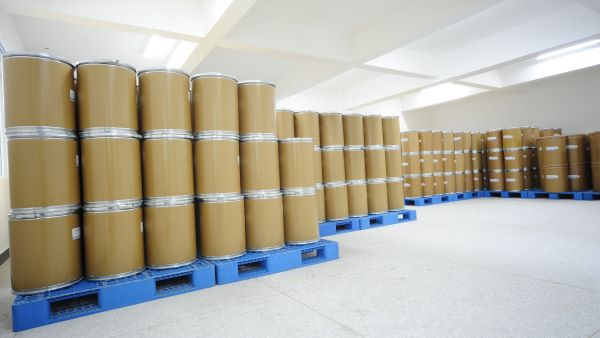
- Standard: 25 kg drum (double inner PE bag + outer fiber drum)
- Custom: 1 kg / 5 kg / 10 kg aluminum foil bags or as per buyer requirements
- All packaging is moisture-proof and sealed for international transport.
Shipping Terms
- Express (DHL, FedEx, UPS): 3–7 business days for sample orders
- Air freight: 5–10 business days for bulk orders
- Sea freight: 20–35 business days depending on destination port
- FOB Shanghai / CIF / DDP terms available.
Shelf Life & Storage
- Store in a cool, dry place away from direct sunlight and heat sources.
- Keep container tightly closed when not in use.
- Optimal storage temperature: 2–8°C for extended shelf life.