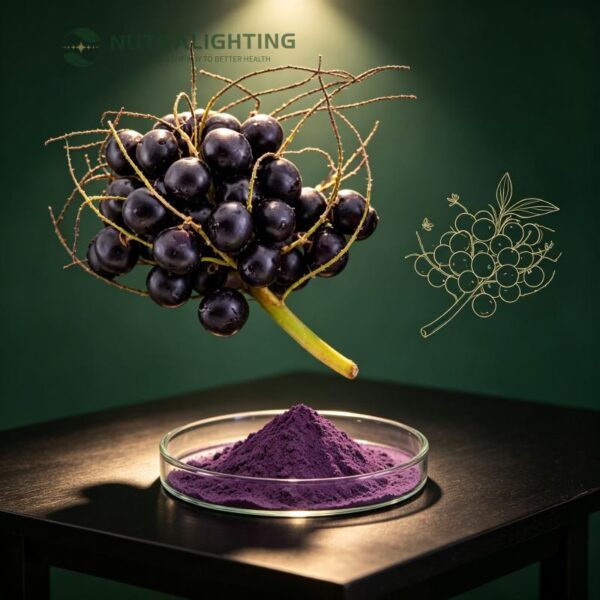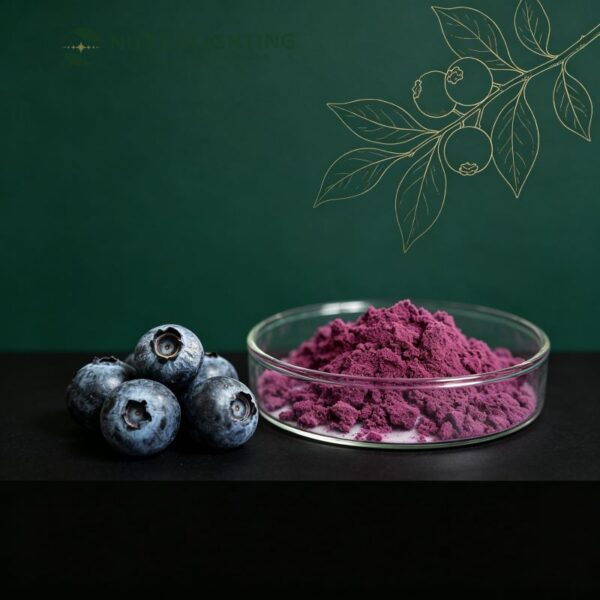

Product Description
High Anthocyanin Berry Raw Material – Standardized Black Currant (Black Currant) Extract with 15%-25% Anthocyanins
Product Description
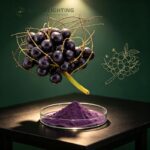
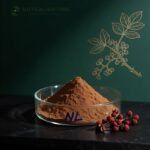
Black Currant Extract (Black Currant Extract) has anthocyanins and GLA (γ-linolenic acid) as its core active ingredients. It is derived from the dried mature fruits of Ribes nigrum L. (family Grossulariaceae), obtained through low-temperature extraction and standardized refinement to produce a stable anthocyanin concentrated powder, with an anthocyanin content of 15%-25%. As a berry raw material with a relatively high anthocyanin content, it has research foundations in antioxidant, eye health, and anti-inflammatory directions, and is widely used in health foods, functional foods, and personal care formulas.
Black currant extract is mature in application within the European health product market, with Russia and Poland as the main production areas. It has been successfully introduced in Northeast China. The global market is steadily growing.
Why Choose Nutralighting
- Standard Active: Anthocyanins 15%-25%, also containing Vitamin C, batch controllable.
- Custom specifications for blackcurrant extract are available
Basic Information
| Item | Content |
| Extract Name | Black Currant Extract |
| Botanical Source | Ribes nigrum L. fruit |
| Common English Name | Ribes nigrum Extract, Blackcurrant Extract |
| Extraction Method | Solvent extraction with food-grade ethanol |
| Particle Size | 80-100 mesh (powder form) |
| Main Ingredients | Anthocyanins, Vitamin C, Flavonoids |
| Main Specifications | Anthocyanin 15%-25% |
| Appearance | Deep purple to black powder or liquid |
| Target Market | Europe, Japan |
| Core Application Areas |
|
Standard Specifications (COA)
The following specifications are conventional reference values, subject to the COA report of each batch.
| Test Items | Standard |
| Anthocyanin | Anthocyanin 15%-25% |
| Loss on drying | ≤5.0% |
| Total ash | ≤6.0% |
| Lead (Pb) | ≤1.0 mg/kg |
| Arsenic (As) | ≤2.0 mg/kg |
| Cadmium (Cd) | ≤0.5 mg/kg |
| Mercury (Hg) | ≤0.1 mg/kg |
| Pesticide residues (Organochlorine/Organophosphorus) | Complies with USP <561> |
| Aflatoxin B1 | ≤5.0 μg/kg |
| Total Aflatoxins | ≤10.0 μg/kg |
| Total Microbial Count (TAMC) | ≤1×10⁴ CFU/g |
| Yeasts and Molds (TYMC) | ≤1×10² CFU/g |
| Escherichia coli | Not detected (1g) |
| Salmonella | Not detected (1g) |
Plant Material Introduction
The raw material of Black Currant Extract product is the dried mature fruit of the blackcurrant Ribes nigrum L., a member of the Saxifragaceae family. It is mainly produced in Northern Europe (Russia, Poland, Germany) and Northeast China. Blackcurrant is one of the berries with high anthocyanin content. The main active components are anthocyanins (cyanidin-3-glucoside and cyanidin-3-rutinoside).
Core Benefits
Blackcurrant (Ribes nigrum) extract has a research basis in antioxidant and eye health applications. Its anthocyanins (mainly delphinidin-3-glucoside and cyanidin-3-rutinoside, accounting for about 70%-85% in total) are relatively high in berries. Relevant studies indicate that supplementation with blackcurrant anthocyanins supports rhodopsin regeneration and night vision (Journal of Agricultural and Food Chemistry, 2012). In cell and animal studies, blackcurrant anthocyanins can inhibit LPS-induced NO production (IC50≈12.5 μg/mL) and downregulate COX-2 expression, demonstrating anti-inflammatory activity. Blackcurrant seed oil is rich in ALA (α-linolenic acid, content about 50%-60%) and has a research basis in blood lipid health.
Regulatory and Regional Access Status
The following information is compiled from public regulatory sources; actual market access should be based on the latest regulations of the target country.
| Region/Country | Regulatory Status | Key Notes |
| United States (FDA) | Dietary Supplements / GRAS | Plant extracts are generally regulated as dietary supplements; some ingredients have been recognized as GRAS (specific confirmation is required on a case-by-case basis). USP has included monographs for various extracts. |
| European Union (EFSA) | Traditional Herbal Medicines / Food Supplements | EU Directive 2004/24/EC regulates traditional herbal medicines; extracts as components of food supplements must comply with EU Novel Food Regulation (EU) 2015/2283 requirements (some traditional herbs benefit from simplified procedures). |
| Japan (MHLW) | Food Additives / Health Food Ingredients | Extracts are used as food additives or health food ingredients; some varieties need to be declared under the functional food labeling system. |
Application Directions and Recommended Dosage
| Application Direction | Recommended Dosage | Suitable Dosage Forms | Notes |
| Oral solid drinks/capsules | 200~500 mg/day | Tablets, capsules, granules | Can be combined with immune-supporting nutrients such as vitamin C and zinc |
| Immune support formula | According to product specifications | Capsules, lozenges | Pay attention to whether they comply with the claimed restrictions of the target market regulations |
| Oral solid beverages / instant powders | According to specifications | Strip packaging, bagged, canned | Can be blended with other functional ingredients, recommended to control quantity using standardized extracts |
| Compressed candies / capsules | According to specifications | Tablets, hard capsules | Each capsule is recommended to contain 250~500 mg of extract, taken 2~3 times daily |
| Oral liquid / functional beverage | According to specifications | Glass bottle, PET bottle | It is recommended to disperse in warm water first before adding to the system, pay attention to pH stability |
| Personal care and skincare products | 0.1~2.0%(w/w) | Lotion, serum, mask | Solubility and stability need to be evaluated according to the formulation system |
Recommended Daily Dose Reference
- General health purposes: use according to product specifications and formulator recommendations
- Personal care and skincare: addition amount in formulations depends on the specific product, recommended 0.1~2.0%
Appendix: References
(The following references are for technical reference, some are open access and can be found via PubMed/PMC or journal official websites)
[1] Juntunen K.S. et al., Journal of Agricultural and Food Chemistry, 2012; 60: 3402-3408.
[2] Paredes-Lopez O. et al., Critical Reviews in Food Science and Nutrition, 2010; 50: 34-52.
[3] Gonthier M.P. et al., Journal of Nutrition, 2007; 137: 1068-1074.
Frequently Asked Questions
MOQ is negotiable for B2B customers. Please contact our sales team for specific quantities and pricing.
Yes, we offer sample shipments. Sample fees and shipping costs apply but can be credited against future orders.
Shelf life is 24 months. Store in a cool, dry place away from direct sunlight and moisture. Keep container tightly sealed when not in use.
Yes, we support custom packaging sizes and private labeling. Contact our technical team for details.
Each batch is standardized to 15%-25% anthocyanin content and tested against rigorous COA specifications before shipment.
Packaging & Shipping
Standard Packaging
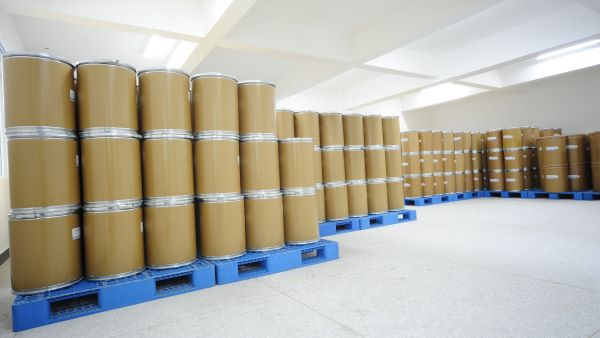
- Standard: 25 kg cardboard drums with double polyethylene liner.
- Custom packaging available upon request.
- Labels include product name, batch number, manufacturing date, and expiry date.
Shipping Terms
- Lead time: 15–25 days after order confirmation and payment receipt.
- Shipped from major ports in China.
- Export documentation and customs support provided.
Shelf Life & Storage
- Store in a cool, dry place at temperatures below 25°C.
- Protect from direct sunlight and moisture.
- Keep containers tightly sealed when not in use.