Product Description
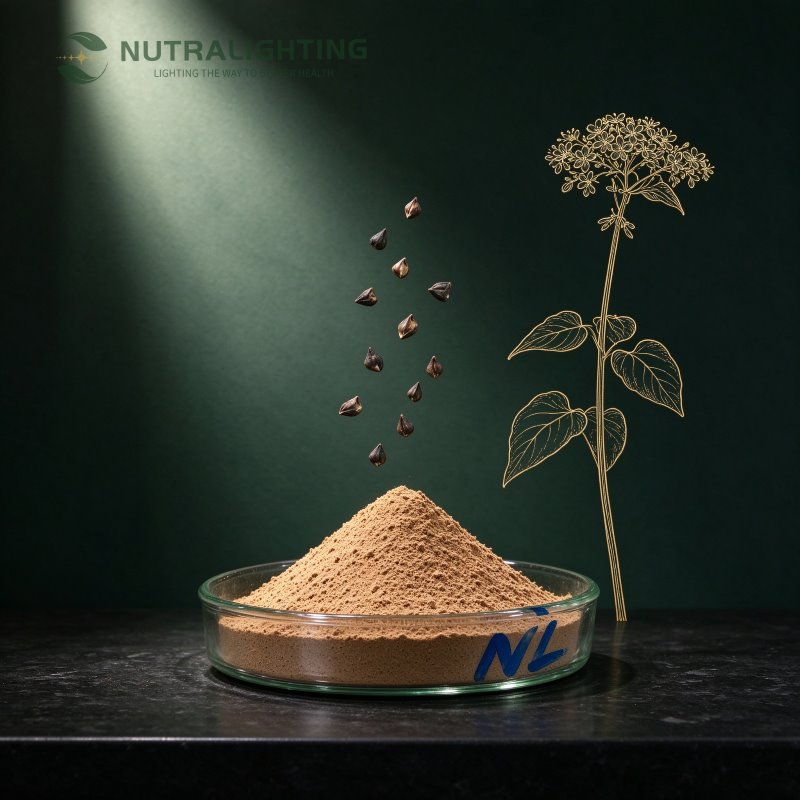
Nutralighting Buckwheat Extract is available in three total flavonoid grades – 50%, 70%, and 95% – to support blood sugar, lipid, and cardiovascular wellness formulations.
Basic Information
| Item | Content |
| Botanical Name | Fagopyrum tataricum (L.) Gaertn. (Tartary buckwheat) |
| Part Used | Dried seed |
| Standardised To | Total Flavonoids 50% / 70% / 95% (HPLC, as rutin) |
| Appearance | Light yellow to pale brown powder |
| Odour | Mild, characteristic |
| Solubility | Partially soluble in warm water; soluble in ethanol |
| Origin | Inner Mongolia and Gansu Provinces, China |
| Particle Size | 80-100 mesh (available on request) |
| Shelf Life | 24 months when stored properly |
| Storage | Cool, dry place away from light and moisture |
Product Description
What We Offer and Why It Matters
We supply Buckwheat Extract in three total flavonoid grades: 50%, 70%, and 95%. Each grade is independently produced and HPLC-verified. This gives formulators clear options for their product positioning.
The 50% grade is suitable for general wellness products where buckwheat flavonoids are combined with other metabolic support ingredients. The 70% grade matches the standardisation level used in most published animal studies. The 95% grade is our premium option for high-potency formulations targeting blood sugar and lipid management.
Our competitive edge comes from two sources. First, our raw material is sourced from high-altitude buckwheat-growing regions in Inner Mongolia and Gansu. These areas produce seeds with naturally higher flavonoid concentrations than lowland varieties. Second, we use an aqueous-ethanol extraction process that preserves the full flavonoid spectrum including rutin, quercetin, and d-chiro-inoside.
Key Features
Tartary buckwheat (Fagopyrum tataricum) contains significantly more flavonoids than common buckwheat (Fagopyrum esculentum). Rutin is the dominant flavonoid, typically accounting for 40-70% of the total flavonoid fraction. Quercetin and its glycosides are present in smaller amounts.
d-Chiro-inoside is another valuable constituent. This cyclitol compound has been shown to improve insulin sensitivity in preclinical models. Tartary buckwheat is one of the richest natural sources of d-chiro-inoside among cereal grains.
Our three specification grades cover most formulation needs. The 50% grade delivers moderate flavonoid content in a cost-effective format. The 70% grade provides a balanced potency for capsule and tablet formats. The 95% grade enables high-potency softgel and liquid formulations with very small fill volumes.
Active Constituents
Primary Marker: Total Flavonoids
Total flavonoids, expressed as rutin equivalents, is the primary quality marker for buckwheat extract. HPLC analysis with UV detection at 254 nm is the standard method for quantification.
Three grades are available:
50% total flavonoids -entry-level standardisation for general wellness formulas
70% total flavonoids -mid-strength standardisation matching most published research
95% total flavonoids -high-potency standardisation for targeted metabolic support
Batch-to-batch variation is kept within ±10% of the labelled total flavonoid value for all grades.
Key Flavonoid Compounds
Rutin (rutoside, ruskin) is the most abundant flavonoid in buckwheat extract. It is a glycoside of quercetin and serves as the reference marker for standardisation. Rutin contributes to vascular health support and antioxidant activity.
Quercetin aglycone is present in free and conjugated forms. It shares the anti-inflammatory and antioxidant mechanisms of rutin but has different bioavailability characteristics. The ratio of rutin to quercetin varies between grades and batches.
Other flavonoids include kaempferol glycosides, isorhamnetin derivatives, and trace amounts of molecular buckwheat lactone (MBL), a characteristic compound of Fagopyrum species.
d-Chiro-Inoside
d-Chiro-inoside is a cyclitol sugar alcohol found in buckwheat seed. It plays a role in insulin signalling pathways. Preclinical studies suggest it improves glucose uptake in skeletal muscle and liver tissue. Tartary buckwheat extract typically contains 0.5-2.0% d-chiro-inoside, depending on the standardisation grade.
This compound distinguishes buckwheat extract from other flavonoid-rich botanicals. Few plant sources contain significant amounts of d-chiro-inoside alongside high flavonoid content. The combination may provide complementary mechanisms for metabolic support.
Analytical Data Sheet
| Item | Specification | Method | Result |
| Total Flavonoids (50% Grade) | ≥ 50.0% | HPLC (as rutin) | 50.0-58.0% |
| Total Flavonoids (70% Grade) | ≥ 70.0% | HPLC (as rutin) | 70.0-78.0% |
| Total Flavonoids (95% Grade) | ≥ 95.0% | HPLC (as rutin) | 95.0-98.0% |
| Rutin Content | Varies by grade | HPLC | 40-70% of total flavonoids |
| Quercetin Content | ≥ 2.0% | HPLC | 2.0-5.0% |
| d-Chiro-Inoside | ≥ 0.5% | HPLC-ELSD | 0.5-2.0% |
| Loss on Drying | ≤ 8.0% | KF | ≤ 8.0% |
| Heavy Metals (Pb) | ≤ 2.0 mg/kg | ICP-MS | < 1.0 mg/kg |
| Heavy Metals (As) | ≤ 1.0 mg/kg | ICP-MS | < 0.5 mg/kg |
| Heavy Metals (Cd) | ≤ 0.3 mg/kg | ICP-MS | < 0.2 mg/kg |
| Heavy Metals (Hg) | ≤ 0.1 mg/kg | ICP-MS | < 0.05 mg/kg |
| Pesticide Residues | Pass | GC-MS/LC-MS | Not Detected |
| Residual Solvents | Pass | GC | Compliant |
| Total Plate Count | ≤ 1000 CFU/g | USP <61> | < 10 CFU/g |
| Yeast & Mold | ≤ 100 CFU/g | USP <61> | < 10 CFU/g |
| E. coli | Negative | USP <61> | Negative |
| Salmonella | Negative | USP <61> | Negative |
Mechanism of Action
Insulin Sensitivity and Glucose Metabolism
Buckwheat flavonoids improve insulin sensitivity through multiple pathways. Rutin enhances glucose uptake in skeletal muscle cells by promoting GLUT4 translocation to the cell membrane. This mechanism is similar to but distinct from pharmaceutical insulin sensitizers.
d-Chiro-inoside acts as a second messenger in insulin signalling. It potentiates insulin receptor kinase activity and improves downstream signal transduction. In preclinical models, d-chiro-inoside supplementation improved glucose tolerance and reduced fasting blood glucose in diabetic animals.
Buckwheat extract also inhibits α-glucosidase enzymes in the intestine. This slows the breakdown of complex carbohydrates into absorbable glucose. The effect is modest compared to pharmaceutical α-glucosidase inhibitors but contributes to postprandial glucose management.
Lipid Metabolism Support
Buckwheat flavonoids modulate lipid metabolism through several mechanisms. They inhibit HMG-CoA reductase, the rate-limiting enzyme in cholesterol synthesis. Animal studies show reductions in total cholesterol, triglycerides, and LDL cholesterol following buckwheat extract supplementation.
The extract also upregulates LDL receptor expression on hepatocytes. This enhances clearance of LDL particles from the bloodstream. HDL cholesterol levels are maintained or slightly increased in preclinical models.
Antioxidant Activity
Rutin and related flavonoids are potent antioxidants. They scavenge superoxide anions, hydroxyl radicals, and peroxyl radicals. The hydroxyl group pattern on the flavone ring is particularly effective for electron donation.
Buckwheat extract also upregulates endogenous antioxidant defences. Nrf2 pathway activation leads to increased expression of superoxide dismutase, catalase, and glutathione peroxidase. This dual mechanism – direct radical scavenging plus enzyme induction – provides comprehensive oxidative protection.
Vascular Health
Rutin strengthens capillary walls by promoting collagen synthesis and inhibiting collagenase activity. It reduces capillary fragility and permeability. These effects are well documented in traditional medicine and supported by modern pharmacological research.
Buckwheat flavonoids also inhibit platelet aggregation through modulation of thromboxane A2 synthesis. This may contribute to cardiovascular protection independent of their antioxidant effects.
Traditional and Modern Use
Traditional Use
Tartary buckwheat has been cultivated in China for over a thousand years. It is grown primarily in high-altitude regions of Inner Mongolia, Gansu, Shaanxi, and Heilongjiang provinces. Traditional practitioners used buckwheat for digestive support, circulatory health, and as a general tonic.
In modern Chinese dietary practice, buckwheat remains a valued functional food. It is commonly consumed as noodles, porridge, and tea. The flavonoid-rich extract represents a concentrated form of this traditional food ingredient.
Modern Research Directions
Contemporary research on buckwheat extract focuses on metabolic health applications. Preclinical studies demonstrate improvements in blood glucose regulation, lipid profiles, and insulin sensitivity. Animal models of type 2 diabetes show significant benefits from tartary buckwheat flavonoid supplementation.
A study published in PMC (PMC3324901) showed that buckwheat extract improved glucose uptake in hepatocytes and ameliorated insulin resistance in fructose-rich diet-induced diabetic mice. Another study (PMC9398688) demonstrated that tartary buckwheat flavonoids improved colon lesions and modulated gut microbiota in diabetic mice.
Human clinical data for buckwheat extract specifically is limited. Most evidence comes from animal studies and in vitro experiments. Some epidemiological studies suggest health benefits associated with regular buckwheat consumption. Formulators should be cautious about making strong therapeutic claims without additional clinical substantiation.
Regulatory Status
United States (FDA)
Buckwheat (Fagopyrum esculentum) is generally regarded as safe when consumed as a food ingredient. Tartary buckwheat (Fagopyrum tataricum) is not separately evaluated but is botanically related and consumed traditionally in Asian diets.
Under DSHEA, buckwheat extract may be used as an ingredient in dietary supplements. Structure/function claims related to antioxidant support, cardiovascular health, and healthy glucose metabolism already in range may be made provided the mandatory disclaimer is included. This product is not intended to diagnose, treat, cure, or prevent any disease.
Buckwheat is not listed in the FDA GRAS inventory as a separate notice. However, buckwheat grain and flour have long-standing history of safe food use. The extract derived from these grains inherits this general safety profile when used at typical dietary supplement doses.
European Union (EFSA)
Buckwheat is a traditional food ingredient in the EU. It is consumed as whole grain, flour, and pasta in many European countries, particularly in Italy and Eastern Europe. Buckwheat leaf and seed extract is not listed in the EU Novel Food Catalogue.
However, sprouted buckwheat flour has been subject to novel food assessment. Standard buckwheat seed extract for use in food supplements should not require novel food authorization. We recommend verifying national-level requirements before EU market entry.
China (NMPA)
Tartary buckwheat is recognised as a food ingredient in China. The China CFMEA has issued industry standards for buckwheat extract (T/CCCMHPIE 1.56-2021), specifying minimum total flavonoid content of ≥70% and rutin content of ≥60%. Our 70% and 95% grades meet or exceed these standards.
Buckwheat is also listed in the Chinese Pharmacopoeia as a traditional medicinal material in some provincial formularies. It is widely used in dietary supplements and functional food products across China.
Recommended Usage
Dosage Range
Based on published research, the typical daily intake of buckwheat extract ranges from 200-500 mg of the 70% grade. This delivers approximately 140-350 mg of total flavonoids per day. For the 50% grade, 400-800 mg per day may be appropriate. For the 95% grade, 100-300 mg per day may suffice.
The exact dose should be determined based on product formulation, target indication, and desired flavonoid intake. For general wellness, lower doses in the 50% or 70% grade range may be sufficient. For targeted metabolic support, the 95% grade at higher potency may be more appropriate.
Application Forms
Buckwheat Extract is suitable for multiple dosage forms:
Capsules and tablets for metabolic support supplements
Softgels -the flavonoid fraction disperses well in oil bases
Powdered blends for multi-ingredient wellness formulas
Functional beverages -requires emulsification for aqueous compatibility
Formulation Notes
The 95% grade has high lipophilicity. It disperses readily in oil-based softgel fills. For aqueous formulations, a dispersible powder grade or emulsification technology is recommended. The 50% grade has better dispersibility in mixed matrix systems due to its lower flavonoid concentration.
Blend uniformity should be verified through sampling and HPLC analysis before compression or encapsulation. The extract is sensitive to light and heat. Processing temperatures should be kept below 60°C where possible.
Quality Assurance
Every production batch is accompanied by a Certificate of Analysis. Our facility operates under GMP guidelines. Raw material sourcing follows strict agricultural practice standards. We do not claim organic certification unless specific documentation is available for a given batch.
| Certificate | Status |
| COA (Certificate of Analysis) | Provided with each batch |
| GMP Compliance | Manufactured under GMP guidelines |
| Halal / Kosher | Available upon request |
| Non-GMO | Fagopyrum tataricum is a traditional crop; GMO status not applicable |
| Allergen Declaration | Free from major allergens |
Disclaimer
This product is intended for use as an ingredient in dietary supplements and food products. It is not intended to diagnose, treat, cure, or prevent any disease. Statements regarding this product have not been evaluated by the Food and Drug Administration. Consult your healthcare provider before use, especially if you are pregnant, nursing, taking medication, or have a medical condition. Individuals taking glucose-lowering medication should monitor blood sugar levels closely when using buckwheat extract products. This information is provided for educational purposes and does not constitute medical advice.
Why Choose Nutraligting
| What You Need | How We Help |
| Need clinically relevant flavonoid levels | Our 70% and 95% grades match the standardisation used in published animal studies. Your formulation is backed by real data. |
| Need flexible specification options | Three grades – 50%, 70%, and 95% – let you choose between cost-effective and high-potency product lines. |
| Need batch consistency | HPLC testing on every batch. You receive the labelled flavonoid content, not an average estimate. |
| Need documentation fast | COA, technical dossier, and regulatory support are ready within 24 hours of request. |
| Need a partner who responds | Direct communication with our technical team. Your questions get clear answers, not generic replies. |
References
T/CCCMHPIE 1.56-2021. Plant Extract – Tartary Buckwheat Extract. China CFMEA Industry Standard.
Wang L, et al. Fagopyrum tataricum (Buckwheat) Improved High-Glucose-Induced Insulin Resistance in Mouse Hepatocytes and Diabetes in Fructose-Rich Diet-Induced Mice. Journal of Medicinal Food. 2012;15(3):253-260.
Zhang Y, et al. Tartary Buckwheat Flavonoids Improve Colon Lesions and Modulate Gut Microbiota Composition in Diabetic Mice. Nutrients. 2022;14(16):3382.
Gao X, et al. Hypoglycemic and hypolipidemic effects of tartary buckwheat flavonoids in type 2 diabetic rats. Journal of Ethnopharmacology. 2015;162:171-177.
FDA. Dietary Supplement Health and Education Act of 1994 (DSHEA). 21 U.S.C. § 350b.
EFSA Panel on Dietetic Products, Nutrition and Allergies. Scientific opinions on botanical substances in food supplements. EFSA Journal archives.
Chinese Pharmacopoeia Commission. Pharmacopoeia of the People’s Republic of China, 2020 Edition. Reference standard monographs for rutin and quercetin.
Frequently Asked Questions
Our standard MOQ is 1 kg for sample orders and 25 kg for bulk orders. Custom packaging sizes are also available upon request.
Yes. We offer customizable specifications including rutin content (10%-98%), D-chiro-inositol levels, and full-spectrum extracts. Please contact our technical team for tailored solutions.
Absolutely. A Certificate of Analysis (COA) is provided with each shipment. Third-party testing from accredited laboratories can be arranged at additional cost.
Although buckwheat is naturally gluten-free, cross-contamination may occur during processing. Our refined Buckwheat Extract is tested to meet gluten-free standards (< 20 ppm). Please confirm with our team for specific dietary requirements.
Standard lead time is 7-15 business days after order confirmation, depending on quantity and destination. Express shipping options are available for urgent orders.
Yes, we support private labeling and OEM packaging solutions for B2B clients. Minimum quantities and design guidelines will be discussed on a case-by-case basis.
Packaging & Shipping
Standard Packaging
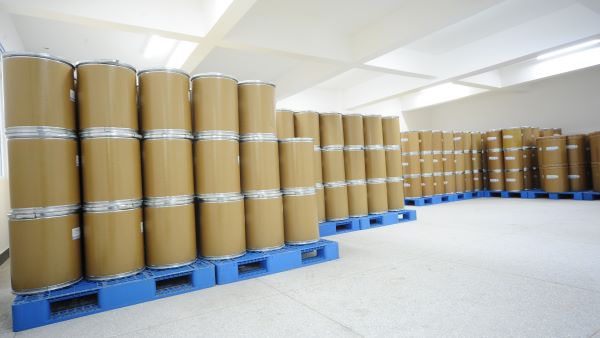
- Standard packaging: 25 kg per fiber drum with two inner polyethylene bags.
- Custom packaging: 1 kg / 5 kg / 10 kg aluminum foil bags or as per client requirements.
- All packaging materials comply with food-grade standards.
Shipping Terms
- Domestic shipping: Available via express courier or freight forwarder within China.
- International shipping: FOB Shanghai / CIF / DDP terms available.
- Shipping by air for small quantities; by sea for bulk orders.
- Cold-chain or temperature-controlled shipping available upon request.
Shelf Life & Storage
- Store in a cool, dry place away from direct sunlight and moisture.
- Maintain temperature between 2°C and 25°C.
- Keep container tightly sealed when not in use.
- Avoid exposure to strong odors and humidity to preserve potency.