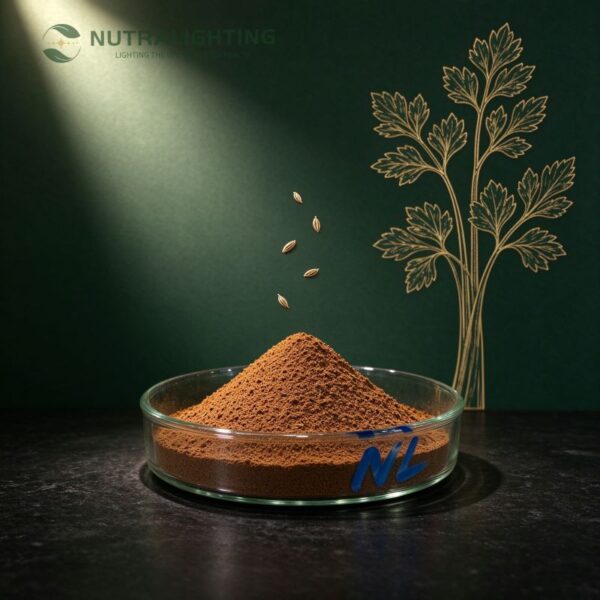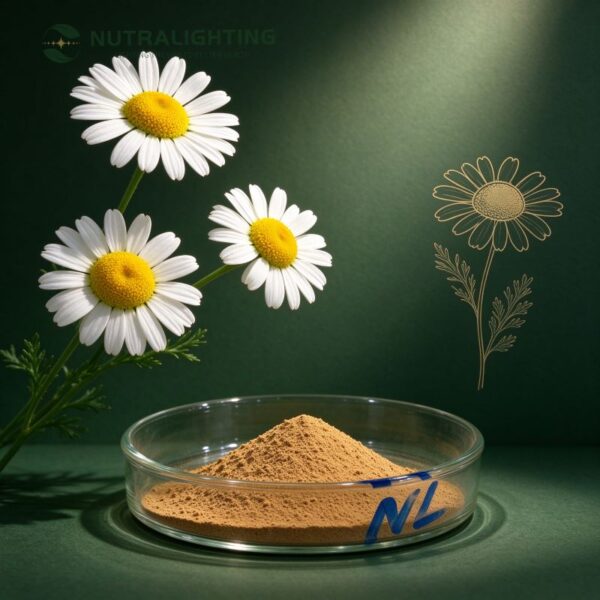
Product Description
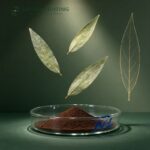
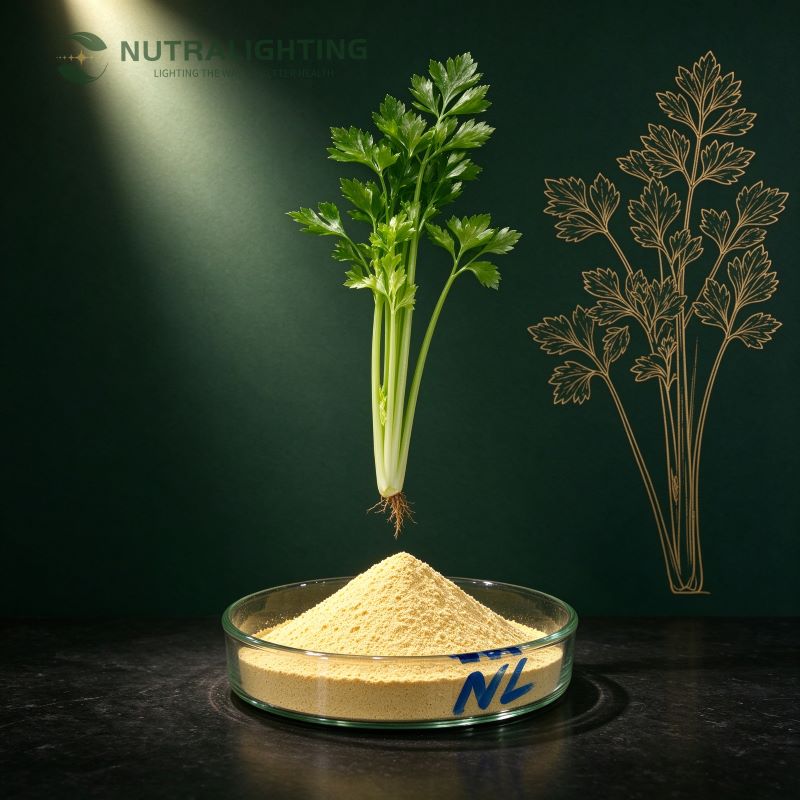
Celery extract is available in three apigenin grades – 5%, 10%, and 20% – for anti-inflammatory and antioxidant formulations across multiple dosage forms.
Basic Information
| Item | Content |
| Botanical Name | Apium graveolens L. (Apiaceae) |
| Part Used | Dried leaf / herb |
| Standardised To | Apigenin 5% / 10% / 20% (HPLC) |
| Appearance | Pale yellow to light green powder |
| Odour | Mild, herbaceous |
| Solubility | Insoluble in water; soluble in ethanol and DMSO |
| Origin | Jiangsu and Shandong Provinces, China |
| Particle Size | 80–100 mesh (available on request) |
| Shelf Life | 24 months when stored properly |
| Storage | Cool, dry place away from light and moisture |
Product Description
What We Offer and Why It Matters
We supply Celery Extract standardised to three apigenin levels: 5%, 10%, and 20%. Each grade is independently produced and HPLC-verified. This gives formulators clear options for their product positioning.
The 5% grade is suitable for general wellness products where apigenin is one of several botanical ingredients. The 10% grade delivers a meaningful daily dose in a practical capsule size. The 20% grade is our premium option for high-potency formulas targeting inflammatory support and antioxidant protection.
Our competitive edge comes from three sources. First, our raw material is cultivated in Jiangsu and Shandong provinces where celery grows abundantly. Second, we use ethanol extraction followed by purification to concentrate the apigenin fraction without synthetic solvents. Third, every batch is tested for apigenin content before release.
Key Features
Apigenin is a natural flavone found in celery, parsley, chamomile, and onion. It is the primary bioactive flavonoid responsible for most of celery leaf’s anti-inflammatory and antioxidant effects.
The extract retains a full flavonoid profile beyond apigenin. Luteolin, another flavone present in celery leaf, contributes additional anti-inflammatory activity. The two compounds share overlapping mechanisms but also have distinct molecular targets. This broad flavonoid spectrum may provide more comprehensive biological effects than isolated apigenin alone.
Active Constituents
Primary Marker: Apigenin
Apigenin (4′,5,7-trihydroxyflavone, CAS 520-36-5) is the principal bioactive flavonoid in celery leaf extract. It is a natural flavone with well-documented anti-inflammatory and antioxidant properties in preclinical studies.
Three grades are available:
5% apigenin -entry-level standardisation for multi-ingredient wellness formulas
10% apigenin -mid-strength standardisation for standalone apigenin products
20% apigenin -high-potency standardisation for targeted inflammatory support
Batch-to-batch variation is kept within ±10% of the labelled apigenin value for all grades.
Secondary Constituents
Luteolin (3′,4′,5,7-tetrahydroxyflavone) is the second most abundant flavone in celery leaf. It shares the NF-κB inhibitory mechanism with apigenin and adds complementary antioxidant activity.
Other flavonoids such as quercetin glycosides and kaempferol derivatives are present in trace amounts. These compounds contribute to the overall polyphenol content and may enhance the antioxidant capacity of the extract through synergistic interactions.
Total phenolic content typically ranges from 8–15% depending on the standardisation grade. The flavonoid fraction beyond apigenin and luteolin includes minor flavones and flavonol glycosides that support the extract’s overall bioactivity profile.
Analytical Data Sheet
| Item | Specification | Method | Result |
| Apigenin Content (5% Grade) | ≥ 5.0% | HPLC | 5.0–6.0% |
| Apigenin Content (10% Grade) | ≥ 10.0% | HPLC | 10.0–12.0% |
| Apigenin Content (20% Grade) | ≥ 20.0% | HPLC | 20.0–23.0% |
| Luteolin Content | ≥ 1.0% | HPLC | 1.0–2.5% |
| Total Phenolics | ≥ 8.0% | Folin-Ciocalteu | 8.0–15.0% |
| Total Flavonoids | ≥ 10.0% | AlCl3 method | 12.0–18.0% |
| Loss on Drying | ≤ 5.0% | KF | ≤ 5.0% |
| Heavy Metals (Pb) | ≤ 2.0 mg/kg | ICP-MS | < 1.0 mg/kg |
| Heavy Metals (As) | ≤ 1.0 mg/kg | ICP-MS | < 0.5 mg/kg |
| Heavy Metals (Cd) | ≤ 0.3 mg/kg | ICP-MS | < 0.2 mg/kg |
| Heavy Metals (Hg) | ≤ 0.1 mg/kg | ICP-MS | < 0.05 mg/kg |
| Pesticide Residues | Pass | GC-MS/LC-MS | Not Detected |
| Residual Solvents | Pass | GC | Compliant |
| Total Plate Count | ≤ 1000 CFU/g | USP <61> | < 10 CFU/g |
| Yeast & Mold | ≤ 100 CFU/g | USP <61> | < 10 CFU/g |
| E. coli | Negative | USP <61> | Negative |
| Salmonella | Negative | USP <61> | Negative |
Mechanism of Action
NF-κB Pathway Inhibition
Apigenin suppresses the activation of NF-κB, a master transcription factor that drives the expression of pro-inflammatory genes. It prevents the degradation of IκBα, the inhibitory protein that keeps NF-κB sequestered in the cytoplasm. Without NF-κB nuclear translocation, the downstream production of TNF-α, IL-1β, and IL-6 is reduced.
In LPS-stimulated macrophage models, apigenin at 15 μM suppressed COX-2 and iNOS protein expression by more than 50%. The inhibition occurs primarily at the transcriptional level rather than through direct enzyme blocking. This distinguishes apigenin from conventional COX inhibitors like NSAIDs.
MAPK and AP-1 Modulation
Apigenin also modulates the MAPK signalling pathway. It inhibits the phosphorylation of p38, JNK, and ERK1/2 kinases in activated immune cells. These kinases transmit inflammatory signals from the cell surface to the nucleus. By dampening MAPK activation, apigenin reduces the transcriptional output of inflammatory mediators.
AP-1 (activator protein 1) is another transcription factor downregulated by apigenin. AP-1 works in concert with NF-κB to drive the expression of matrix metalloproteinases and other degradative enzymes. Suppression of both pathways may provide broader anti-inflammatory coverage.
Antioxidant Activity
Apigenin directly scavenges reactive oxygen species including superoxide anions and hydroxyl radicals. The hydroxyl groups at positions 4′, 5, and 7 of the flavone structure are key to its electron-donating capacity.
The extract also upregulates endogenous antioxidant defences. Nrf2 pathway activation leads to increased expression of heme oxygenase-1, superoxide dismutase, and glutathione peroxidase. This dual action – direct scavenging plus enzyme induction – provides sustained oxidative protection beyond what simple radical quenching can achieve.
CD38 Inhibition and NAD+ Preservation
Recent research has identified CD38 as a primary NAD+-consuming enzyme in aging tissues. Apigenin inhibits CD38 activity, helping to preserve cellular NAD+ levels. NAD+ is essential for sirtuin function, mitochondrial health, and cellular energy metabolism. This mechanism connects apigenin’s anti-inflammatory effects to broader cellular health support.
Traditional and Modern Use
Traditional Use
Celery (Apium graveolens) has been used as both a food and medicinal plant for thousands of years. Ancient Egyptian and Greek practitioners employed celery for digestive complaints, urinary tract health, and as a general tonic. The leaves were prepared as decoctions or consumed fresh.
In modern herbal practice, celery leaf is recognised for its flavonoid content. The leaf contains higher concentrations of apigenin and luteolin than the stalk. This makes leaf-derived extracts particularly valuable for flavonoid-targeted formulations.
Modern Research Directions
Research on apigenin from celery leaf focuses on several areas. Anti-inflammatory applications include skin conditions, joint comfort support, and general inflammatory management. Antioxidant research examines cellular protection against oxidative stress. Emerging areas include metabolic support and NAD+ preservation through CD38 inhibition.
Most evidence for apigenin comes from in vitro and animal studies. Human clinical data specifically for celery leaf extract is limited. Formulators should be cautious about making strong therapeutic claims without additional clinical substantiation. Structure/function claims related to antioxidant and inflammatory support are more readily justified under current regulatory frameworks.
Regulatory Status
United States (FDA)
Celery (Apium graveolens) as a food ingredient is GRAS. Isolated apigenin from celery extract is not separately listed in the FDA GRAS database. Celery leaf extract is marketed under DSHEA as a dietary supplement ingredient. Apigenin is a naturally occurring flavonoid found in many common foods including celery, parsley, and chamomile.
Structure/function claims related to antioxidant support and inflammatory balance may be made provided the mandatory disclaimer is included. This product is not intended to diagnose, treat, cure, or prevent any disease. Formulators should ensure claims comply with 21 CFR 101.93 requirements. Isolated apigenin at high doses may interact with CYP450 enzymes. Products containing high apigenin concentrations should include appropriate warnings.
European Union (EFSA)
Celery leaf is a traditional food ingredient in the EU. Apigenin occurs naturally in many commonly consumed plants including celery, parsley, and chamomile tea. No novel food authorization is required for celery leaf extract used in food supplements or conventional foods. However, apigenin as an isolated compound at high concentrations may attract regulatory scrutiny in some member states. We recommend verifying national-level requirements before EU market entry.
China (NMPA)
Apigenin is listed as a reference standard in the Chinese Pharmacopoeia for content determination in certain herbal medicines. Celery (Apium graveolens) is recognised as a food ingredient in China. Celery leaf extract is commonly used in dietary supplements and functional food products. No special regulatory restrictions apply to its use in domestic food or supplement markets.
Recommended Usage
Dosage Range
Based on published research, the typical daily intake of apigenin ranges from 50–200 mg. For our extracts, this translates to:
5% grade: 1,000–4,000 mg per day
10% grade: 500–2,000 mg per day
20% grade: 250–1,000 mg per day
The exact dose should be determined based on product formulation, target indication, and desired apigenin intake. For general wellness, lower doses in the 5% or 10% grade range may be sufficient. For targeted inflammatory support, the 20% grade at higher daily intake may be more appropriate.
Application Forms
Celery Leaf Extract (Apigenin Standardised) is suitable for multiple dosage forms:
Capsules and tablets for inflammatory support and antioxidant supplements
Softgels -the lipophilic flavonoids disperse well in oil bases
Powdered blends for multi-ingredient wellness formulas
Functional beverages -requires emulsification technology for aqueous compatibility
Formulation Notes
Apigenin is poorly soluble in water. For aqueous formulations, emulsification or micronisation technology is recommended. The 20% grade has the highest lipophilicity and benefits most from oil-based delivery systems. The 5% grade disperses more easily in mixed matrix systems due to its lower active concentration.
Blend uniformity should be verified through sampling and HPLC apigenin analysis before compression or encapsulation. The extract is sensitive to light and heat. Processing temperatures should be kept below 60°C where possible.
Quality Assurance
Every production batch is accompanied by a Certificate of Analysis. Our facility operates under GMP guidelines. Raw material sourcing follows strict agricultural practice standards. We do not claim organic certification unless specific documentation is available for a given batch.
| Certificate | Status |
| COA (Certificate of Analysis) | Provided with each batch |
| GMP Compliance | Our manufacturing facility operates under GMP standards and holds both ISO and HALAL certifications |
| Halal / Kosher | Available upon request |
| Non-GMO | Apium graveolens is a traditional crop; GMO status not applicable |
| Allergen Declaration | Free from major allergens |
Disclaimer
This product is intended for use as an ingredient in dietary supplements and food products. It is not intended to diagnose, treat, cure, or prevent any disease. Statements regarding this product have not been evaluated by the Food and Drug Administration. Consult your healthcare provider before use, especially if you are pregnant, nursing, taking medication, or have a medical condition. Apigenin may interact with CYP450-mediated drug metabolism. Individuals taking prescription medications should consult their physician before use. This information is provided for educational purposes and does not constitute medical advice.
Why Choose Nutraligting
| What You Need | How We Help |
| Need reliable apigenin content | We standardise every batch. HPLC testing confirms actual apigenin levels, not theoretical values. |
| Need flexible specification options | Three grades – 5%, 10%, and 20% – let you match potency to your target product positioning. |
| Need clean label | Our extract is ethanol-solvent processed. No synthetic carriers or artificial additives are added. |
| Need documentation fast | COA, technical dossier, and regulatory support are ready within 24 hours of request. |
| Need a partner who responds | Direct communication with our technical team. Your questions get real answers, not auto-replies. |
References
Chinese Pharmacopoeia Commission. Pharmacopoeia of the People’s Republic of China, 2020 Edition. Apigenin reference standard monograph.
Aggarwal S, Sung B. Pharmacological basis for the role of curcumin and other dietary phytochemicals in cancer and inflammatory diseases. International Journal of Oncology. 2015;46(1):1-16.
Pizzorno M. The inflammation code: new treatment approaches for chronic disease. Advanced Nutrition. 2019;10(suppl_1):S1-S9.
Grant S, et al. Apigenin inhibits CD38 and modulates NAD+ metabolism in human cells. Molecular Nutrition & Food Research. 2023;67:e2200633.
Kim Y, et al. Apigenin suppresses inflammatory responses through modulation of NF-κB and MAPK pathways. Journal of Immunology Research. 2021;2021:6689774.
FDA. Dietary Supplement Health and Education Act of 1994 (DSHEA). 21 U.S.C. § 350b.
EFSA Panel on Dietetic Products, Nutrition and Allergies. Scientific opinions on botanical substances in food supplements. EFSA Journal archives.
Frequently Asked Questions
We offer standardization at 10%, 20%, and 50% apigenin (HPLC verified). Custom targets are available based on order volume.
Yes. Our celery extract is plant-derived, vegan-friendly, and produced without synthetic carriers or anti-caking agents on request.
Yes. Each batch includes a COA, MSDS, and allergen declaration. We also support halal, kosher, and organic certificates upon request.
Packaging & Shipping
Standard Packaging
- Inner: food-grade aluminum foil bag with desiccant.
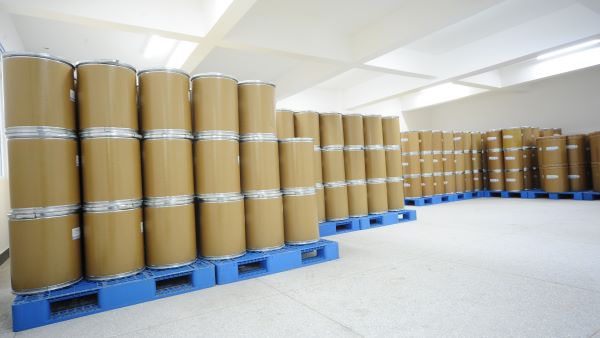
- Outer: 25 kg fiber drum or cardboard box. Custom packaging available.
Shipping Terms
- Express: DHL / FedEx / UPS (3–7 days).
- Air freight: 5–10 days.
- Sea freight: 15–35 days depending on destination port.
Shelf Life & Storage
- Store in a cool, dry place away from direct sunlight and moisture. Seal after opening. Avoid temperatures above 30°C.