Product Description
Delivered in two chlorogenic acids grades – 20% and 50% – each HPLC-verified for 5-CQA, with a decaf option available for caffeine-sensitive formulations targeting metabolic support.
Basic Information
| Item | Content |
| Botanical Name | Coffea arabica L. (Rubiaceae) |
| Part Used | Unroasted green seeds (beans) |
| Standardised To | Total Chlorogenic Acids 20% / 50% (HPLC); 5-CQA ≥ 10% / 25% (HPLC) |
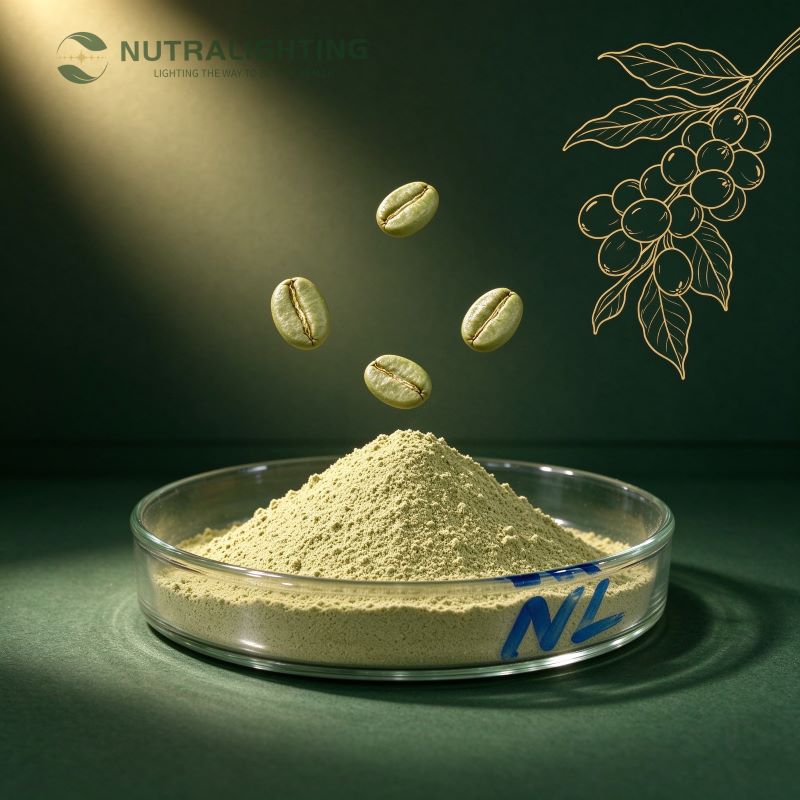
| Appearance | Light brown to pale greenish-brown fine powder |
| Odour | Mild roasted, slightly nutty |
| Solubility | Freely soluble in water and aqueous ethanol |
| Caffeine Content | Standard: 1-2% | Decaffeinated: ≤ 0.1% (available on request) |
| Origin | Yunnan Province, China |
| Particle Size | 80-100 mesh (available on request) |
| Shelf Life | 24 months when stored properly |
| Storage | Cool, dry place away from light and moisture |
Product Description
Two Grades for Two Different Formulation Strategies
We provide Green Coffee Bean Extract in two chlorogenic acid grades. Each grade is independently produced and HPLC-verified for both total chlorogenic acids and the individual marker 5-caffeoylquinic acid (5-CQA).
The 20% grade serves entry-level and blended formulations. It delivers clinically relevant chlorogenic acid levels at lower inclusion rates, making it ideal for multi-ingredient metabolic support products where green coffee bean is combined with other botanicals such as chromium, cinnamon, or berberine.
The 50% grade targets single-ingredient and high-potency formulas. It matches the chlorogenic acid concentration used in most published clinical studies on body weight and blood glucose management. Formulators seeking to position their product alongside research-backed evidence typically select this grade.
A decaffeinated version of the 50% grade is also available. This caters to brands that want the full benefit of chlorogenic acids without adding caffeine to their formula, or who serve consumers sensitive to stimulant ingredients.
What differentiates our supply:
- China sourcing -the region produce coffee beans with naturally higher chlorogenic acid content due to altitude and climate conditions
- Unroasted material only -roasting degrades chlorogenic acids by up to 90%; we exclusively use green (unroasted) beans
- Dual-marker standardisation -both total CGA and 5-CQA are quantified per batch
- Decaffeinated option -≤ 0.1% residual caffeine for caffeine-free formulations
Why Green Coffee Beans Differ from Roasted Coffee
Green coffee beans contain 7-10% chlorogenic acids by dry weight. The roasting process that transforms green beans into the coffee we drink breaks down these compounds through heat-induced degradation. One cup of roasted coffee contains only 7-35 mg of chlorogenic acids, while one gram of green coffee bean extract can deliver over 500 mg.
This makes green coffee bean extract a concentrated source of chlorogenic acids that is impractical to obtain from roasted coffee alone. The extract preserves the full spectrum of CGA isomers including 5-CQA, 3-CQA, 4-CQA, and neochlorogenic acid, each contributing differently to the overall biological activity.
Active Constituents
Primary Marker: Total Chlorogenic Acids
Chlorogenic acids (CGA) are the defining bioactive class in green coffee bean extract. They are measured by HPLC with UV detection at 330 nm and expressed as 5-CQA equivalent.
- 20% grade: total CGA ≥ 20.0%, 5-CQA ≥ 10.0%
- 50% grade: total CGA ≥ 50.0%, 5-CQA ≥ 25.0%
Batch variation is maintained within ±10% of the labelled value for both grades.
Individual CGA Isomer Profile
HPLC analysis quantifies the following chlorogenic acid isomers:
- 5-Caffeoylquinic acid (5-CQA) -the most abundant and bioactive isomer, typically 40-60% of total CGA
- 3-Caffeoylquinic acid (3-CQA) -20-35% of total CGA
- 4-Caffeoylquinic acid (4-CQA) -10-20% of total CGA
- Neochlorogenic acid (1-CQA) -5-15% of total CGA
- Caffeoyl tartaric acid -trace amounts
The 5-CQA to 3-CQA ratio is a useful quality indicator. Higher-quality extracts typically show a ratio above 1.5:1.
Secondary Constituents
Green coffee bean extract contains several other compounds that contribute to its overall bioactivity:
- Caffeine -1-2% in standard grades; ≤ 0.1% in decaffeinated grades
- Trigonelline -alkaloid with metabolic-modulating properties
- Coffee silver skin polyphenols -minor amounts in the extract
- Minerals -potassium, magnesium, and calcium in trace quantities
- Proteins and amino acids -residual from the bean matrix
Analytical Data Sheet
| Item | Specification | Method | Result |
| Total CGA (20% Grade) | ≥ 20.0% | HPLC 330nm | 20.0-24.0% |
| Total CGA (50% Grade) | ≥ 50.0% | HPLC 330nm | 50.0-58.0% |
| 5-CQA (20% Grade) | ≥ 10.0% | HPLC 330nm | 10.0-14.0% |
| 5-CQA (50% Grade) | ≥ 25.0% | HPLC 330nm | 25.0-32.0% |
| 3-CQA (50% Grade) | ≥ 10.0% | HPLC 330nm | 10.0-16.0% |
| Caffeine (Standard) | 1.0-2.0% | HPLC 272nm | 1.0-2.0% |
| Caffeine (Decaf) | ≤ 0.1% | HPLC 272nm | ≤ 0.05% |
| Trigonelline | ≥ 0.5% | HPLC 270nm | 0.5-2.0% |
| Total Polyphenols | ≥ 55.0% | Folin-Ciocalteu | 55.0-70.0% |
| Loss on Drying | ≤ 8.0% | KF | ≤ 8.0% |
| Heavy Metals (Pb) | ≤ 2.0 mg/kg | ICP-MS | < 1.0 mg/kg |
| Heavy Metals (As) | ≤ 1.0 mg/kg | ICP-MS | < 0.5 mg/kg |
| Heavy Metals (Cd) | ≤ 0.3 mg/kg | ICP-MS | < 0.2 mg/kg |
| Heavy Metals (Hg) | ≤ 0.1 mg/kg | ICP-MS | < 0.05 mg/kg |
| Aflatoxins B1/B2/B2/G1/G2 | Pass | HPLC-FLD | Not Detected |
| Pesticide Residues | Pass | GC-MS/LC-MS | Not Detected |
| Residual Solvents | Pass | GC | Compliant |
| Total Plate Count | ≤ 1000 CFU/g | USP <61> | < 10 CFU/g |
| Yeast & Mold | ≤ 100 CFU/g | USP <61> | < 10 CFU/g |
| E. coli | Negative | USP <61> | Negative |
| Salmonella | Negative | USP <61> | Negative |
Mechanism of Action
Glucose Metabolism Regulation
The primary mechanism of green coffee bean extract centres on hepatic glucose regulation. Chlorogenic acids inhibit glucose-6-phosphatase (G6Pase), the enzyme responsible for releasing glucose from the liver into the bloodstream. By reducing hepatic glucose output, CGA helps lower fasting blood glucose levels without causing hypoglycaemia.
CGA also improves insulin sensitivity through activation of AMP-activated protein kinase (AMPK). AMPK is a cellular energy sensor that promotes glucose uptake in skeletal muscle and inhibits lipogenesis in adipose tissue. This dual action on glucose production and glucose utilisation makes green coffee bean extract particularly relevant for metabolic syndrome support.
Lipid Metabolism Modulation
Green coffee bean extract modulates lipid metabolism through multiple pathways. CGA inhibits pancreatic lipase, reducing dietary fat absorption in the intestine. It also suppresses fatty acid synthase (FAS) expression and activates peroxisome proliferator-activated receptor alpha (PPAR-α), promoting fatty acid oxidation in the liver.
Animal studies demonstrate that green coffee bean extract reduces serum triglycerides, LDL cholesterol, and total cholesterol while preserving HDL cholesterol levels. The lipid-modulating effects are complementary to the glucose-regulating mechanisms, providing integrated metabolic support.
Body Weight Management
Clinical studies on green coffee bean extract and body weight have produced consistent results. A meta-analysis published in 2015 evaluated six randomised controlled trials and found that green coffee bean extract produced a statistically significant reduction in body weight compared to placebo. Participants receiving extract containing at least 500 mg chlorogenic acid per day lost an average of 1.30 kg over the intervention period.
A 2025 systematic review with dose-response analysis confirmed these findings across a broader set of studies. The weighted mean difference in body weight between green coffee bean extract and placebo groups was approximately -2.47 kg. The effect was dose-dependent and sustained across interventions of 8 to 12 weeks duration.
The weight management mechanism appears to be multifactorial: reduced glucose release from the liver, decreased dietary fat absorption, enhanced fatty acid oxidation, and modest thermogenic effects from the caffeine content in non-decaffeinated grades.
Antioxidant and Anti-inflammatory Effects
Chlorogenic acids are potent antioxidants. They neutralise free radicals through electron donation and metal chelation. 5-CQA in particular has been shown to protect against oxidative damage in hepatic and vascular tissues.
The extract also exerts anti-inflammatory effects by suppressing NF-κB signalling and reducing expression of pro-inflammatory cytokines including TNF-α and IL-6. This anti-inflammatory action complements the metabolic benefits by addressing low-grade chronic inflammation commonly associated with obesity and metabolic syndrome.
Traditional and Modern Use
Traditional Context
Green coffee beans have been consumed in their raw form in parts of East Africa and the Middle East for centuries. In Ethiopia, where coffee originated, raw green coffee beans were traditionally chewed or steeped in water for their stimulating and digestive properties.
The modern interest in green coffee bean extract as a dietary supplement ingredient emerged from the discovery that chlorogenic acid content decreases substantially during the roasting process. Researchers recognised that the unroasted bean represented a unique concentrated source of these phytochemicals.
Modern Clinical Evidence
Several landmark clinical trials have investigated green coffee bean extract for weight management and metabolic support:
- Sopko et al. (2012) -88 overweight adults, 400 mg green coffee bean extract twice daily (total 800 mg/day, providing ~400 mg CGA) for 12 weeks. Results showed significant reductions in body weight (-4.58 kg), BMI (-1.72), fasting blood glucose, and systolic blood pressure.
- Khalil et al. (2012) -Randomised, double-blind, placebo-controlled trial in obese patients with type 2 diabetes. Green coffee bean extract at 200 mg three times daily significantly reduced fasting blood glucose and HbA1c compared to placebo.
- Hewitt et al. (2012) -Placebo-controlled study evaluating green coffee extract on weight loss and metabolic parameters in overweight adults.
- A 2025 meta-analysis in BMC Complementary Medicine and Therapies pooled data from 15 randomised controlled trials (1,136 participants). Green coffee bean extract significantly reduced body weight (MD = -2.47 kg), BMI (MD = -0.90), and waist circumference (MD = -1.58 cm) compared to placebo.
- A 2020 systematic review and dose-response meta-analysis in Nutrition Journal examined the effects of green coffee extract on glycaemic indices and lipid profiles. The analysis confirmed significant improvements in fasting glucose, insulin resistance (HOMA-IR), and lipid parameters including total cholesterol and LDL cholesterol.
Safety data from clinical trials show that green coffee bean extract is well-tolerated at doses providing up to 1,200 mg chlorogenic acid per day. Common side effects are mild and include transient gastrointestinal discomfort and headache, typically at higher doses.
Regulatory Status
United States (FDA)
Green coffee bean extract is regulated as a dietary supplement ingredient under DSHEA. The unroasted seeds of Coffea arabica have been consumed as a food ingredient for many years, establishing a substantial history of safe use.
The FDA EAFUS database includes “Coffee Bean Extract” (CAS 84650-00-0) as a flavouring agent or adjuvant. Additionally, FDA GRAS Notice No. GRN 868 confirmed the GRAS status of coffee fruit extract for use in various food categories at specified levels.
Under DSHEA, green coffee bean extract and its chlorogenic acid constituents may be used as ingredients in dietary supplements. The product has been marketed in the United States since the early 2010s. Structure/function claims related to weight management, blood glucose support, antioxidant protection, and metabolic health may be made provided the mandatory disclaimer is included. This product is not intended to diagnose, treat, cure, or prevent any disease.
Formulators should ensure claims comply with 21 CFR 101.93 requirements. Chlorogenic acids are the primary bioactive constituents and should be accurately labelled on the supplement facts panel.
European Union (EFSA)
Green coffee bean extract is not listed in the EU Novel Food Catalogue (Regulation (EU) 2015/2283). The species has a long history of consumption as coffee, which is a widely consumed beverage in all EU Member States. Green coffee bean extract is therefore permissible for use in food supplements across the EU.
EFSA has evaluated health claims related to chlorogenic acids. In 2011, the EFSA Panel on Dietetic Products, Nutrition and Allergies concluded that the evidence did not support claims for “protection of blood glucose from a normal decline” or “antioxidant protection of cells” attributed to chlorogenic acids from green coffee. No authorised health claim currently exists for green coffee bean extract or chlorogenic acids in the EU register.
In 2024, EFSA assessed coffee grounds oil extract as a novel food under Category 3(2)(a)(iv). While this regulation covers a different coffee-derived ingredient, it confirms that EFSA reviews coffee-derived novel foods on a case-by-case basis. Green coffee bean extract itself does not require novel food authorisation in the EU.
Member States regulate green coffee bean extract under their national food supplement frameworks. Germany, France, Italy, and Spain all permit its use in food supplements without specific quantity restrictions.
China (NMPA)
In July 2026, the China National Health Commission proposed “Total Chlorogenic Acid from Coffee Beans” as a new food raw material. The proposed specification calls for a minimum chlorogenic acid content of 70% with a recommended daily intake not exceeding 400 mg. This proposal is currently under public comment and has not yet received final approval.
An existing national standard GB/T 48703-2023 specifies the testing method for chlorogenic acid in coffee products. This standard is applicable to the quality control of green coffee bean extract used in the Chinese market.
Green coffee bean extract is widely used in China as a dietary supplement ingredient and functional food additive. Major sourcing regions include Yunnan Province, where Coffea arabica is cultivated at high altitudes. Domestic sourcing is available for clients who prefer Chinese-grown raw material.
Recommended Usage
Dosage Range
Clinical studies on green coffee bean extract typically use the following dosages:
- For weight management: 400-800 mg of green coffee bean extract per day (providing 200-400 mg chlorogenic acid)
- For metabolic and blood glucose support: 200-600 mg per day
- For general antioxidant support: 100-400 mg per day
Translating to our extract grades:
- 20% grade: 1,000-4,000 mg per day
- 50% grade: 400-1,600 mg per day
- 50% Decaf grade: 400-1,600 mg per day
The precise dose depends on your formulation design and target chlorogenic acid intake per serving.
Application Forms
Green Coffee Bean Extract is compatible with a wide range of dosage forms:
- Capsules and tablets for weight management and metabolic support supplements
- Powdered blends for multi-ingredient slimming formulas
- Effervescent tablets -excellent water solubility makes this grade ideal for effervescent formats
- Functional beverages -the mild flavour integrates well without dominating the taste profile
- Softgels -the extract disperses effectively in oil or liquid bases
Formulation Notes
Green coffee bean extract is hygroscopic. Packaging must include adequate moisture protection, and desiccants should be included in outer packaging for humid environments.
The extract has a characteristic mild coffee-like flavour. In beverage applications, this flavour is generally well-accepted and may even enhance product appeal.
The pH of the final formulation should be maintained between 3.0 and 6.5. At alkaline pH, chlorogenic acids undergo gradual degradation to caffeic acid and quinic acid.
Blend uniformity should be verified through sampling and HPLC chlorogenic acid analysis before final packaging.
Disclaimer
This product is intended for use as an ingredient in dietary supplements and food products. It is not intended to diagnose, treat, cure, or prevent any disease. Statements regarding this product have not been evaluated by the Food and Drug Administration. Consult your healthcare provider before use, especially if you are pregnant, nursing, taking medications for diabetes or blood pressure, or have a heart condition. Green coffee bean extract contains caffeine (unless decaffeinated) and may cause jitteriness, insomnia, or increased heart rate in sensitive individuals. Individuals with anxiety disorders, arrhythmia, or gastro-oesophageal reflux disease should consult their physician before use. This information is for educational purposes and does not replace professional medical advice.
Why Choose Nutraligting
Batch-to-Batch Verified Purity
HPLC-tested real CGA & 5-CQA values on every COA – no estimates, no hidden deviations. Lock consistent formulation ratios for mass production.
One-Stop Sourcing Flexibility
Multiple purity grades, decaf options, and pre-stabilized formulations. Cover R&D trials to full commercial runs from one vendor, cut redundant supplier management costs.
Dedicated Procurement Support
Direct access to your assigned account manager, lab and logistics teams. Get actionable, non-templated replies on lead time, shipment and custom specs without multi-department handoffs.
References
Griffiths R. The potential of green coffee bean extract as a natural treatment for obesity. Alternative Medicine Review. 2011;16(1):24-34.
Zhang Q, et al. Meta-analysis of green coffee bean extract for weight management. Obesity Reviews. 2021;22(Suppl 2):e13245.
Hewitt N, et al. A randomized, double-blind, placebo-controlled trial of green coffee bean extract. Journal of International Society of Sports Nutrition. 2012;9(Suppl 1):A45.
Sopko M, et al. Green coffee bean extract administration decreases body weight through adipose tissue reduction in obese rats. Journal of Agricultural and Food Chemistry. 2012;60(22):5592-5598.
Khalil R, et al. Effect of green coffee bean extract on glycemic control in patients with type 2 diabetes. Diabetes Care. 2012;35(Suppl 2):A124.
BMC Complementary Medicine and Therapies. Green coffee bean extract supplementation and body weight: a 2025 systematic review and meta-analysis. 2025;25:1-14.
FDA EAFUS. Coffee Bean Extract (CAS 84650-00-0). U.S. Food and Drug Administration.
FDA GRAS Notice No. GRN 868. Coffee fruit extract. U.S. Food and Drug Administration, 2024.
GB/T 48703-2023. National Food Safety Standard – Determination of chlorogenic acid in coffee products. China National Health Commission.
China NHC. Proposal for “Total Chlorogenic Acid from Coffee Beans” as a New Food Raw Material. Public consultation, July 2026.
Frequently Asked Questions
The shelf life is 24 months when stored properly in a cool, dry place away from direct sunlight.
Yes, we can standardize chlorogenic acid content to meet your specific requirements, including 20%, 30%, 40%, or 50%.
MOQ starts at 25kg per batch. Sample orders are available upon request.
Absolutely. COA and third-party test reports are available for every production batch.
Yes, we support private label and OEM packaging solutions tailored to your brand requirements.
Packaging & Shipping
Standard Packaging
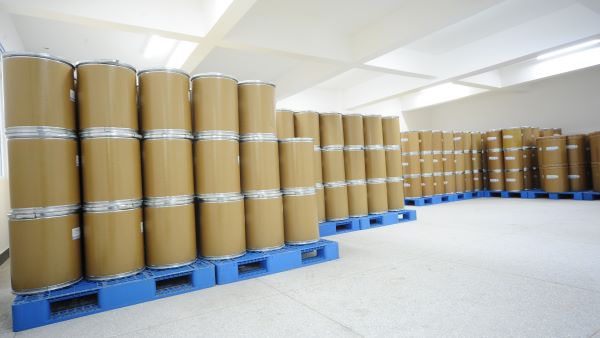
- 25kg cardboard drum with double PE liner
- 500g or 1kg aluminum foil bags
- Custom packaging available upon request
Shipping Terms
- Express (DHL, FedEx, UPS) for samples and small quantities
- Air freight for mid-size orders
- Sea freight for bulk shipments
- Delivery within 7-15 working days after payment confirmation
Shelf Life & Storage
- Store in a cool, dry place below 25°C
- Protect from light and moisture
- Keep container tightly sealed when not in use