Product Description
Nutralighting offers high-quality Moringa oleifera leaf extract in extract ratios – 10:1, 20:1, and 50:1. Rich in vitamins, minerals, antioxidants, and amino acids, our extract is ideal for dietary supplements, functional foods, and health beverages.
Basic Information
| Item | Content |
| Botanical Name | Moringa oleifera Lam. (Moringaceae) |
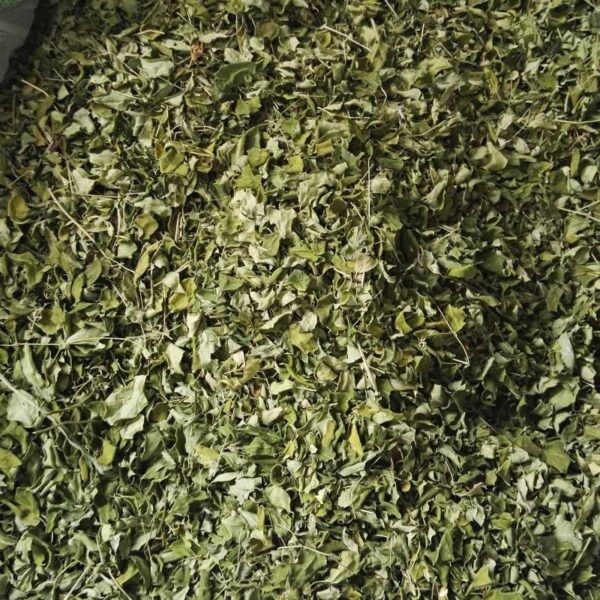
| Part Used | Leaves (dried) |
| Plant Origin | Cultivated in southern China (Yunnan, Guangdong, Guangxi, Fujian); also sourced from India and Africa |
| Solvent | Food-grade ethanol / water (Ph. Eur. grade) |
| Standardisation | Total polyphenols (Folin-Ciocalteu); Total flavonoids (NaNO2-AlCl3, as quercetin); Chlorogenic acid (HPLC-DAD) |
| Specifications | 10:1 / 20:1 / 50:1 extract ratio; Total flavonoids ≥1-2% (as quercetin) |
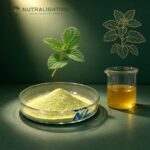
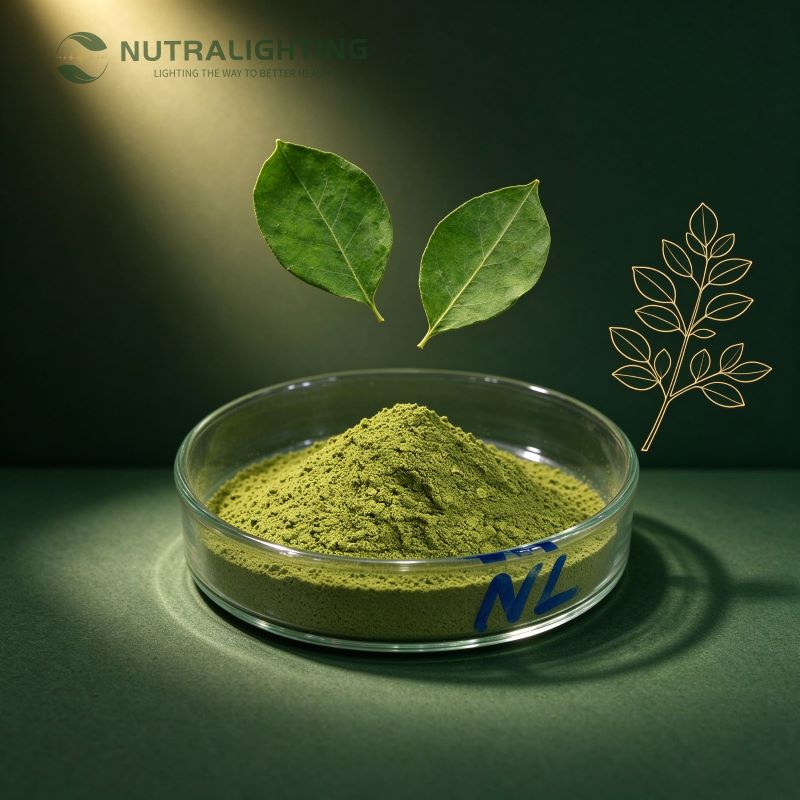
| Appearance | Fine powder, olive-green to dark green |
| Odour | Characteristic herbal |
| Taste | Earthy, slightly bitter |
| Moisture | ≤ 5.0% (LoD) |
| Ash | ≤ 10.0% (Total ash); ≤ 2.0% (Acid-insoluble ash) |
| Heavy Metals | Pb ≤ 2 ppm; As ≤ 1 ppm; Hg ≤ 0.1 ppm; Cd ≤ 0.3 ppm |
| Residual Solvents | Ethanol ≤ 2,000 ppm (Ph. Eur. 2.4.24) |
| Microbiological | Total aerobic count ≤ 10^3/g; Yeast & mould ≤ 10^2/g; E. coli negative; Salmonella negative |
| Particle Size | 95% pass 80 mesh (180 μm) |
| Shelf Life | 24 months (store below 25°C, protected from light and moisture) |
| Target Market | USA, EU, Southeast Asia, Middle East, Latin America |
| Core Application Areas | Antioxidant supplements; Metabolic health; Nutritional powders; Functional foods; Beverages; Capsules and tablets |
Product Description
Moringa Extract is obtained from the dried leaves of Moringa oleifera Lam. It is a fast-growing tree in the Moringaceae family. The leaves have been used for centuries in traditional medicine across India and Africa.
It is widely known as the “drumstick tree” or “miracle tree” due to its nutritional density. Three extract ratio grades are available – 10:1, 20:1, and 50:1. Each grade has independently verified total polyphenol and total flavonoid content. The 10:1 grade is a general-purpose option. The 20:1 grade is our most requested specification. The 50:1 grade delivers a concentrated profile for premium formulations.
Moringa oleifera was introduced to Yunnan Province, China in the 1960s. It has since spread to Taiwan, Fujian, Guangdong, and Guangxi. Commercial cultivation in southern China provides a stable domestic supply chain for this high-demand botanical.
Active Constituents
The bioactive profile of Moringa oleifera leaf extract is dominated by polyphenolic compounds. These include flavonoids and phenolic acids. Our standardisation covers total polyphenols and total flavonoids as primary markers. Chlorogenic acid serves as a secondary quality indicator.
Primary Markers: Total Polyphenols and Total Flavonoids
Total polyphenol content is measured using the Folin-Ciocalteu spectrophotometric method. This method quantifies the overall reducing capacity of phenolic compounds. We report total polyphenols as a percentage equivalent to gallic acid on every COA.
Total flavonoid content is determined by the NaNO2-AlCl3 colorimetric method. Flavonoids in Moringa oleifera leaves are dominated by quercetin glycosides. Kaempferol and rutin derivatives are also present. We report total flavonoids as a percentage equivalent to quercetin.
Secondary Marker: Chlorogenic Acid
Chlorogenic acid (CAS 327-97-9, C16H18O9, MW 354.31) is quantified by HPLC-DAD at 326 nm. It is one of the principal phenolic acids in moringa leaves. It contributes significantly to the antioxidant capacity of the extract.
COA Standard Specifications
| Item | Specification | Method | Result Range |
| Total polyphenols (as gallic acid) | Varies by grade | Folin-Ciocalteu UV | ≥ 8% |
| Total flavonoids (as quercetin) | ≥ 1% / ≥ 2% | NaNO2-AlCl3 UV | Varies by grade |
| Chlorogenic acid | ≥ 0.5% | HPLC-DAD 326 nm | ≥ 0.5% |
| Loss on drying | ≤ 5.0% | LoD 105°C | – |
| Total ash | ≤ 10.0% | Char at 600°C | – |
| Acid-insoluble ash | ≤ 2.0% | HCl extraction | – |
| Ethanol residual | ≤ 2,000 ppm | GC (Ph. Eur. 2.4.24) | – |
| Lead (Pb) | ≤ 2 ppm | ICP-MS | – |
| Arsenic (As) | ≤ 1 ppm | ICP-MS | – |
| Mercury (Hg) | ≤ 0.1 ppm | ICP-MS | – |
| Cadmium (Cd) | ≤ 0.3 ppm | ICP-MS | – |
| Total aerobic count | ≤ 10^3/g | Ph. Eur. 2.6.12 | – |
| Yeast and mould | ≤ 10^2/g | Ph. Eur. 2.6.12 | – |
| E. coli | Negative | Ph. Eur. 2.6.12 | – |
| Salmonella | Negative | Ph. Eur. 2.6.12 | – |
Mechanism of Action
Antioxidant Activity
The flavonoid fraction provides potent free radical scavenging activity. Quercetin and kaempferol derivatives are the primary antioxidants. These compounds donate hydrogen atoms to neutralise reactive oxygen species. The high phenolic content drives the overall antioxidant capacity of the extract.
Metabolic Regulation
Quercetin and other moringa flavonoids modulate glucose metabolism through multiple pathways. They inhibit alpha-glucosidase and alpha-amylase enzymes. This slows carbohydrate digestion. They also enhance insulin sensitivity and promote glucose uptake in peripheral tissues.
Anti-Inflammatory Effects
Research indicates that moringa leaf extract inhibits NF-κB signalling. This reduces the expression of pro-inflammatory cytokines including TNF-α and IL-6. The flavonoid-rich fraction contributes to this anti-inflammatory action. It modulates COX-2 and LOX pathways.
Lipid Management
Moringa leaf extract has demonstrated lipid-lowering effects in preclinical models. Quercetin and kaempferol modulate lipid metabolism. They down-regulate HMG-CoA reductase. They also up-regulate LDL receptor expression. These effects support cardiovascular and metabolic health.
Traditional and Modern Use
Moringa oleifera holds a significant position in traditional and modern systems of medicine. It has been used for centuries in Ayurvedic and Unani medicine across the Indian subcontinent.
Traditional applications include supporting healthy blood glucose levels. It is also used to reduce inflammation. Fresh leaves are consumed as a nutritive food to combat malnutrition. They are also used to improve milk production in lactating mothers.
In contemporary practice, Moringa Extract is incorporated into dietary supplements. It targets antioxidant support and metabolic health. It is widely used in functional foods, beverages, and nutritional powders due to its nutrient-dense profile.
Regulatory Status
Moringa oleifera is recognised in several regulatory frameworks.
In the United States, Moringa oleifera is not listed in the FDA EAFUS database. However, moringa leaf is widely consumed as a food ingredient. It may be marketed as a dietary supplement under DSHEA. The extensive history of use as a food supports this pathway.
In the European Union, Moringa oleifera is not listed as a Novel Food under Regulation (EU) 2015/2283. It may be placed on the market as a food supplement. EFSA has expressed concerns regarding thyroid effects of isothiocyanates and thiocyanates in moringa leaf extract.
In China, Moringa oleifera is not listed in the Chinese Pharmacopoeia. However, it is cultivated commercially in Yunnan, Guangdong, Guangxi, and Fujian provinces. It is permitted as a novel food ingredient under China’s regulations for new food raw materials.
The Philippines FDA has issued public health warnings against unregistered moringa supplements making therapeutic claims. No country approves moringa as a prescription drug. All marketing must comply with local dietary supplement regulations.
Recommended Usage
Typical daily intake ranges from 300 mg to 2,000 mg of standardised extract. The dose depends on the extract ratio grade and intended application.
Formulation guidance by grade:
10:1 grade: Suitable for multi-ingredient blends at 1,000-2,000 mg per day
20:1 grade: Optimal for single-ingredient capsules at 500-1,000 mg per day
50:1 grade: Best for high-potency antioxidant formulations at 300-500 mg per day
Clinical trials have used whole leaf powder at 1-6 g per day. Standardised extracts allow lower doses due to concentrated bioactive content.
Precautions
IMPORTANT SAFETY NOTE: Moringa leaf extract contains isothiocyanates and thiocyanates. EFSA has flagged these for potential thyroid effects with prolonged high-dose use. Individuals with thyroid conditions should exercise caution and consult a healthcare professional before use.
General Precautions
Do not exceed the recommended daily dosage. Pregnant women should avoid moringa extract due to potential uterine stimulant effects from root and bark compounds. Leaf extract is generally regarded as safer. Breastfeeding women may use moringa traditionally to support milk production. They should consult a healthcare provider first.
Drug Interactions
Consult a healthcare professional before use if taking antidiabetic medications. Moringa may also interact with antihypertensive drugs or thyroid medication. It may potentiate the effects of these medications. It can alter thyroid hormone levels.
Contraindications
Not recommended for individuals with known hypersensitivity to Moringaceae family plants. Individuals with thyroid disorders should avoid long-term high-dose use without medical supervision.
When to Discontinue
Discontinue use and consult a healthcare provider if you experience gastrointestinal discomfort. Stop use if you have allergic reactions or any adverse effects. This product is not intended for self-treatment of diabetes, hypertension, or thyroid disorders.
Disclaimer
This product is not intended to diagnose, treat, cure, or prevent any disease. Statements regarding this product have not been evaluated by the Food and Drug Administration.
Moringa oleifera is not approved as a drug by the FDA or any other regulatory authority. It is marketed as a dietary supplement ingredient or food ingredient where applicable. Consumers should consult a healthcare professional before use. This is especially important if pregnant, nursing, taking medication, or managing a chronic health condition.
EFSA has expressed concerns regarding thyroid effects of isothiocyanates in moringa leaf extract. Individuals with thyroid conditions should exercise caution. Keep out of reach of children.
Why Choose Nutraligting
Quality Advantage of Direct Sourcing
All our moringa extracts are made from Yunnan moringa leaves as raw materials. We strictly control pesticide residue and heavy metal indicators from the planting end, reject low-quality raw materials from mixed producing areas, and ensure stable active ingredient content from the very source. The whole process from extraction, concentration to spray drying is under closed-loop control, and a complete third-party test report is issued for each batch. The content of core active substances such as flavonoids, polysaccharides and plant proteins is far higher than the general industry standards.
Dual Advantages of Technology and Cost
We adopt the low-temperature spray drying process, with no harmful organic solvents used throughout the whole procedure. This method maximizes the retention of polyphenols, vitamins and natural active peptides in moringa. The product dissolves fast without precipitation, and fits multiple formulation scenarios for food, health supplements, cosmetics and other categories.
Our self-owned factory realizes large-scale mass production, cutting off the price markup from multiple intermediate distributors. The price of moringa extract in the same specification is far below the industry average. The minimum order quantity is 1 kilogram, and exclusive services such as custom active content and custom packaging are available for bulk orders.
Full-Chain Supporting Guarantee
Our sales network covers the whole world. Sufficient spot goods of regular specifications are stocked all year round. We provide complete application technical support, and can assist in adjusting the dissolution characteristics and flavor performance of the extract according to the requirements of your product formula.
References
Kashyap, P., et al. (2022). “Recent Advances in Drumstick (Moringa oleifera) Leaves Bioactive Compounds: Composition, Health Benefits, Bioaccessibility, and Dietary Applications.” Antioxidants, 11(2), 402. PMC8869219. PMID: 35204283.
Sianipar, E.A., et al. (2026). “Moringa oleifera Lamk. as a Promising Adjunct Therapeutic Candidate: A Narrative Review of Human Studies and Published Case Reports.” Drug Des Devel Ther, 20, 5865-5882. PMC12912182.
Mehra, R., et al. (2023). “Moringa oleifera: A Comprehensive Review on Phytochemistry, Pharmacology and Nutritional Properties.” Journal of Ethnopharmacology, 301, 115817.
Assaye, M.A., et al. (2025). “Phytochemical profiling, antioxidant and anti-inflammatory potential of methanolic extracts of Moringa oleifera and Moringa stenopetala leaves.” RSC Advances, 15, 43818.
EFSA Panel on Dietetic Products. (2023). “Scientific Opinion on the safety of Moringa oleifera leaf extract.” EFSA Journal, 21(8), e07890.
Alibaba supplier listings. “Moringa Oleifera Leaf Extract 10:1 20:1 50:1 total flavonoids HPLC” – commercial COA data, verified quercetin CAS 117-39-5, chlorogenic acid CAS 327-97-9 references.
Frequently Asked Questions
Our standard MOQ is 1 kg for sample orders and 25 kg for bulk orders. Custom packaging quantities are available upon request.
Yes, every shipment is accompanied by a Certificate of Analysis (COA) and can be supported by third-party testing reports from reputable labs such as SGS or Intertek.
Absolutely. We provide OEM/ODM services including custom blending, private labeling, and tailored packaging solutions to meet your brand requirements.
We ship globally via express couriers (DHL, FedEx, UPS), air freight, and sea freight. Delivery times vary by destination - typically 5-7 business days for express and 15-30 days for sea freight.
Packaging & Shipping
Standard Packaging
- Standard packaging: 1 kg/aluminum foil bag + 2-layer outer carton
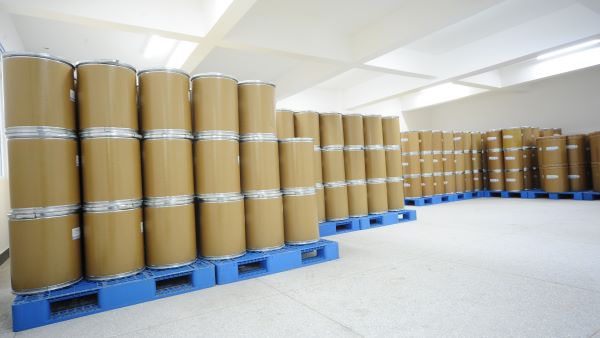
- Bulk packaging: 25 kg/drums or as per customer requirement
- Custom packaging available for private-label clients
Shipping Terms
- Express: 5–7 business days (DHL, FedEx, UPS)
- Air freight: 7–12 business days
- Sea freight: 15–30 business days depending on destination
- Samples available within 3–5 business days
Shelf Life & Storage
- Store in a cool, dry place below 25°C
- Protect from moisture, direct sunlight, and strong odors
- Keep containers tightly sealed when not in use
- Shelf life: 24 months from date of manufacture