Product Description
Nutralighting Horsetail Extract product is available in two silica grades – 5% and 10% – delivering precise organosilicon standardisation for connective tissue, hair, nail, and urinary support formulations.
Basic Information
| Item | Content |
| Botanical Name | Equisetum arvense L. (Equisetaceae) |
| Part Used | Dried aerial parts |
| Standardised To | Silica (as SiO2) 5% / 10% (gravimetric); Total Flavonoids ≥ 0.3% (HPLC) |
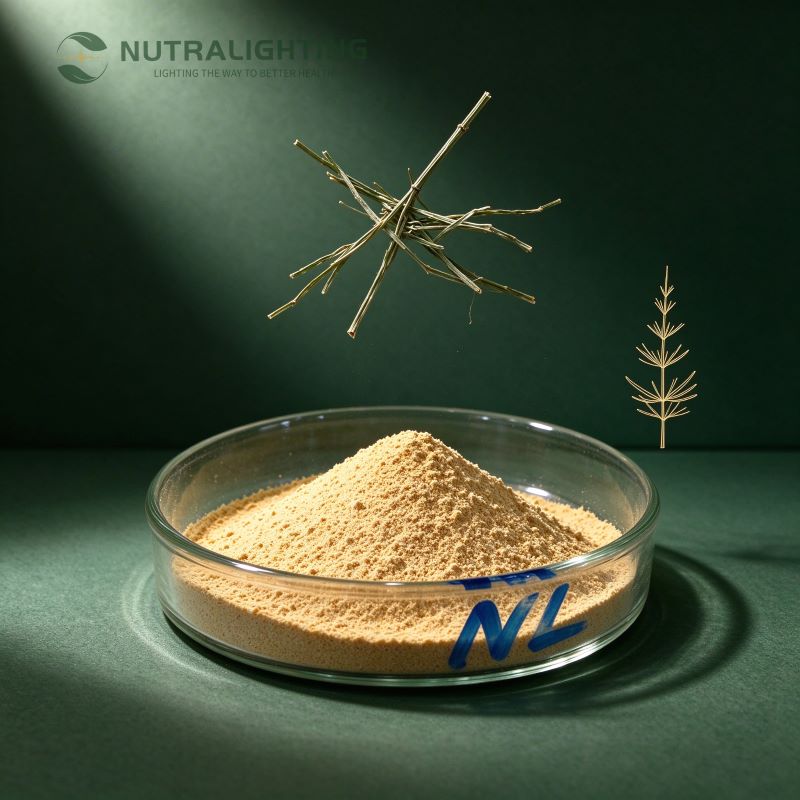
| Appearance | Greenish-brown to olive-green powder |
| Odour | Characteristic, slightly herbaceous |
| Solubility | Partially soluble in water; insoluble in ethanol |
| Origin | Heilongjiang and Jilin Provinces, China |
| Particle Size | 80-100 mesh (available on request) |
| Shelf Life | 24 months when stored properly |
| Storage | Cool, dry place away from light and moisture |
Product Description
What We Offer and Why It Matters
We supply Horsetail Extract in two silica grades: 5% and 10%. Each grade is independently produced and gravimetrically verified. This gives formulators clear options for their connective tissue and urinary support product positioning.
The 5% grade is suitable for general wellness products where horsetail is combined with other botanicals supporting hair, nail, and joint health. The 10% grade is our concentrated option. It delivers the highest organosilicon content available in the market, matching the standardisation levels used in published clinical studies.
Our competitive edge comes from three sources. First, our raw material is sourced from Heilongjiang and Jilin provinces in Northeast China. These regions provide the cool, moist climate conditions that horsetail requires for optimal growth and silica accumulation. Second, we use a water-based extraction process that maximises silica and flavonoid yield while minimising solvent residues. Third, every batch is tested for silica content and total flavonoid content before release.
Key Features
Equisetum arvense (commonly known as horsetail) is one of the oldest known medicinal plants. Fossil records show that horsetail-like plants existed over 200 million years ago. The plant is distinctive for its exceptionally high silica content, which can reach up to 10% of the dried plant weight.
Silica (silicon dioxide) is the primary bioactive constituent of horsetail. Organosilicon compounds play a critical role in collagen synthesis, connective tissue integrity, and bone mineralisation. Silicon is also essential for the structural organisation of keratin in hair and nails.
Flavonoids in horsetail include isoquercitrin, quercetin, and kaempferol glycosides. These compounds contribute to the plant’s antioxidant and anti-inflammatory properties. The European Pharmacopoeia specifies a minimum of 0.3% total flavonoids (expressed as isoquercitrin) in horsetail herbal drug.
Saponins and alkaloids (including trace nicotinic acid) are minor constituents that contribute to the overall pharmacological profile of horsetail.
Active Constituents
Primary Marker: Silica (Organic Silicon)
Silica is the primary quality marker for horsetail extract. It is measured gravimetrically after acid digestion and expressed as a percentage of silicon dioxide (SiO2) in the extract weight.
Two grades are available:
- 5% silica -entry-level standardisation for general connective tissue and urinary wellness formulas
- 10% silica -concentrated standardisation matching published clinical studies
Batch-to-batch variation is kept within ±10% of the labelled silica value for all grades. Note: silica content in horsetail is influenced by soil composition, harvest timing, and extraction method.
Secondary Marker: Total Flavonoids
Total flavonoids are the secondary quality marker for horsetail extract. They are measured by HPLC with UV detection at 360 nm and expressed as isoquercitrin equivalent.
- Total flavonoids content: typically ≥ 0.3% in all grades
- Major flavonoids include: isoquercitrin, quercetin-3-O-rutinoside, kaempferol-3-O-glucoside
- Flavonoid content varies by growing region and extraction method
Our GC and HPLC chromatograms are included in the COA for each batch.
Saponin Content
Horsetail contains triterpenoid saponins that contribute to the diuretic and expectorant effects. Saponin content is approximately 1-3% of the dried herb.
- Key saponins include: equisetonoside A, B, and C
- Saponins lower surface tension and may enhance the bioavailability of other constituents
Analytical Data Sheet
| Item | Specification | Method | Result |
| Silica (SiO2) – 5% Grade | ≥ 5.0% | Gravimetric | 5.0-6.0% |
| Silica (SiO2) – 10% Grade | ≥ 10.0% | Gravimetric | 10.0-12.0% |
| Total Flavonoids | ≥ 0.3% | HPLC 360nm | 0.3-0.8% |
| Saponins | ≥ 1.0% | UV 530nm | 1.0-3.0% |
| Ash (Total) | ≤ 15.0% | Gravimetric | ≤ 15.0% |
| Water-Soluble Ash | ≥ 60% | Gravimetric | ≥ 60% |
| Loss on Drying | ≤ 10.0% | KF | ≤ 10.0% |
| Heavy Metals (Pb) | ≤ 2.0 mg/kg | ICP-MS | < 1.0 mg/kg |
| Heavy Metals (As) | ≤ 1.0 mg/kg | ICP-MS | < 0.5 mg/kg |
| Heavy Metals (Cd) | ≤ 0.3 mg/kg | ICP-MS | < 0.2 mg/kg |
| Heavy Metals (Hg) | ≤ 0.1 mg/kg | ICP-MS | < 0.05 mg/kg |
| Pesticide Residues | Pass | GC-MS/LC-MS | Not Detected |
| Residual Solvents | Pass | GC | Compliant |
| Total Plate Count | ≤ 1000 CFU/g | USP <61> | < 10 CFU/g |
| Yeast & Mold | ≤ 100 CFU/g | USP <61> | < 10 CFU/g |
| E. coli | Negative | USP <61> | Negative |
| Salmonella | Negative | USP <61> | Negative |
Mechanism of Action
Connective Tissue Support
Organosilicon compounds from horsetail extract are incorporated into the extracellular matrix of connective tissues. Silicon is a cofactor for prolyl hydroxylase and lysyl hydroxylase, the enzymes responsible for collagen cross-linking and stabilisation.
Silicon promotes the synthesis of glycosaminoglycans (GAGs), which are essential components of cartilage, tendons, and ligaments. Adequate silicon levels are associated with improved tissue elasticity and tensile strength.
Clinical studies have shown that horsetail extract supplementation increases silicon absorption and incorporation into bone and connective tissue. This mechanism underpins the traditional use of horsetail for joint health and tissue repair.
Hair and Nail Health
Silicon is a critical structural component of keratin. It enhances keratin cross-linking and improves the structural integrity of hair and nails. Horsetail extract provides bioavailable organosilicon that supports keratin synthesis at the follicular and nail bed level.
Clinical studies have demonstrated that horsetail extract supplementation increases hair diameter and reduces hair breakage. The flavonoid fraction also contributes antioxidant protection to the hair follicle, reducing oxidative stress-induced hair loss.
Diuretic Action
Horsetail extract exhibits mild diuretic activity. The saponin fraction increases renal blood flow and glomerular filtration rate. This promotes water and electrolyte excretion without significant potassium loss, unlike pharmaceutical diuretics.
The silica content may also contribute to urinary tract health by strengthening the epithelial lining of the urinary tract and reducing permeability to irritants.
Antioxidant and Anti-inflammatory Effects
The flavonoid fraction of horsetail extract scavenges free radicals and chelates transition metal ions. Isoquercitrin and other flavonoid glycosides inhibit lipid peroxidation and protect cellular membranes from oxidative damage.
Horsetail extract also modulates inflammatory mediator production. It suppresses NF-κB activation and reduces the expression of COX-2 and iNOS in inflamed tissues.
Traditional and Modern Use
Traditional Use
Equisetum arvense has been used in European and Asian traditional medicine for over 2,000 years. Ancient Greek physicians prescribed horsetail for wound healing and bleeding disorders. Medieval European herbalists used horsetail as a diuretic and for kidney and bladder complaints.
In traditional Chinese medicine, horsetail (木贼,Muzie) is classified as sweet, bitter, and slightly warm in nature. It enters the lung and liver meridians. Its traditional functions include dispersing wind-heat, improving vision, and stopping bleeding. The related species Equisetum hyemale (also called Muzie) is listed in the Chinese Pharmacopoeia.
Native American tribes used horsetail for urinary tract infections, kidney stones, and wound healing. The plant was valued for its astringent and diuretic properties.
Modern Clinical Evidence
A 2021 randomised, double-blind, placebo-controlled study published in Skin Pharmacology and Physiology found that a cosmetic formulation containing horsetail extract significantly improved hair growth parameters in postmenopausal women with thinning hair compared to placebo.
A 2023 systematic review in Phytomedicine evaluated the diuretic and nephroprotective effects of Equisetum arvense. The review concluded that horsetail extract shows promising diuretic activity with a favourable safety profile when used at recommended doses for short durations.
Clinical studies on horsetail for connective tissue support have shown improvements in joint mobility and reduced inflammation markers. The silica content is considered the primary driver of these effects.
Regulatory Status
United States (FDA)
Equisetum arvense (horsetail) is not listed in the FDA GRAS inventory as a standalone substance. The plant has a long history of dietary and medicinal use, but no specific GRAS notice has been filed for horsetail extract in the United States.
Under DSHEA, Equisetum arvense and its extracts may be used as an ingredient in dietary supplements. The plant has been marketed as a dietary supplement ingredient in the United States for many years. Structure/function claims related to connective tissue support, hair and nail health, and urinary health may be made provided the mandatory disclaimer is included. This product is not intended to diagnose, treat, cure, or prevent any disease.
Formulators should ensure claims comply with 21 CFR 101.93 requirements. Silica and flavonoids are the primary bioactive constituents and should be accurately labelled on the supplement facts panel.
European Union (EMA)
Equisetum arvense L., herba is covered by a European Union herbal monograph published by the EMA. The monograph specifies parameters for the dried aerial parts and its preparations.
The EMA assessment confirms traditional use for:
- Temporary relief of minor urinary tract discomfort
- Support of normal fluid balance
- Topical use for wound healing and skin irritation
The EMA calculation shows that at the maximum daily dose of 6 g of dried herb, the theoretical silica intake does not exceed 300-600 mg per day. This is considered safe for traditional use durations of 4 weeks without medical supervision.
The European Pharmacopoeia (11th Edition, Monograph 1825) specifies the following parameters for Equisetum stem (Equiseti herba):
- Total flavonoids: minimum 0.3% (expressed as isoquercitrin)
- Silica content: approximately 5-7% (in dried herb)
- Loss on drying: maximum 10.0%
China (NMPA)
Equisetum hyemale L. (Muzie) is listed in the Chinese Pharmacopoeia 2020 Edition, Part 1. The pharmacopoeial monograph covers the dried aerial parts and specifies identification, purity, and potency testing parameters.
Note: The pharmacopoeial species is E. hyemale (firmus), not E. arvense (field horsetail). Both species are used in traditional Chinese medicine and share similar pharmacological properties. The primary active constituents (silica, flavonoids, saponins) are present in both species.
China is a major producer of horsetail. Major cultivation and harvesting areas include Heilongjiang, Jilin, Inner Mongolia, and Hebei provinces. Domestic sourcing is available for clients who prefer Chinese-grown raw material.
Recommended Usage
Dosage Range
Based on traditional use and published research, the recommended daily intake of horsetail extract ranges from 300-1,500 mg. For our extracts, this translates to:
- 5% silica grade: 600-3,000 mg per day
- 10% silica grade: 300-1,500 mg per day
For connective tissue and hair/nail support, clinical studies typically use 500-1,000 mg per day of 10% grade extract. For general urinary support, lower doses in the 5% grade range may be sufficient.
The exact dose should be determined based on product formulation, target indication, and desired silica intake.
Application Forms
Horsetail Extract is suitable for multiple dosage forms:
- Capsules and tablets for connective tissue, hair, and nail support supplements
- Powdered blends for multi-ingredient beauty-from-within formulas
- Liquid extracts and tinctures for sublingual or oral administration
- Functional beverages -the mild herbaceous flavour is well-tolerated
- Topical formulations -horsetail extract is used in skincare products for hair and nail care
Formulation Notes
Horsetail extract has a characteristic herbaceous, slightly earthy flavour that is generally well-tolerated in formulated products. The mild bitterness may require masking in some applications.
The extract is partially water-soluble. For aqueous formulations, dispersion aids or mild heating may improve solubility. The 5% grade disperses more easily in mixed matrix systems due to its lower silica concentration.
Blend uniformity should be verified through sampling and gravimetric silica analysis before compression or encapsulation. The extract is sensitive to moisture. Packaging should include desiccants and moisture-barrier materials.
Horsetail extract should not be used in products intended for long-term continuous use beyond 4-6 weeks without medical supervision, due to thiaminase content and potential electrolyte imbalance with prolonged use.
Disclaimer
This product is intended for use as an ingredient in dietary supplements and food products. It is not intended to diagnose, treat, cure, or prevent any disease. Statements regarding this product have not been evaluated by the Food and Drug Administration. Consult your healthcare provider before use, especially if you are pregnant, nursing, taking medication, or have a medical condition. This product is not recommended for individuals with kidney disease, heart conditions, or electrolyte imbalances. Prolonged use beyond 6 weeks without medical supervision is not advised. This information is provided for educational purposes and does not constitute medical advice.
Why Choose Nutraligting Horsetail Extract
Your Real Pain Points in Horsetail Extract Sourcing
- Most raw materials on the market only list theoretical silica content, with drastic batch-to-batch fluctuations. Once launched, you are highly vulnerable to non-compliance risks from third-party testing due to mismatched label claims.
- The available specification options are extremely limited. You can only choose between high-cost high-potency raw materials or low-activity low-grade versions, making it nearly impossible to cover both mass-market hair care lines and premium joint-support product lines simultaneously.
- The vast majority of suppliers only report silica content in isolation, with zero disclosure of flavonoid profile data. The seemingly qualified raw material you receive often falls far short of the actual efficacy activity required by your formulation design.
- Compliance documents require repeated follow-ups for weeks, and you still cannot gather a complete set of COAs and technical dossiers, which directly derails the entire timeline of new product testing and market launch.
- The sales contacts you work with lack in-depth knowledge of extract processing details. When you raise professional questions about the existing form of silica or the proportion of individual flavonoid components, you can only get copy-pasted generic replies that offer no practical solutions for your formulation debugging.
Our Exclusive Deliverables for Horsetail Extract
- 100% of all horsetail extract batches undergo gravimetric testing for actual silica content, completely abandoning the industry-prevalent practice of using theoretical estimated values. Every batch’s measured data aligns perfectly with label claims, eliminating third-party testing compliance risks at the source.
- We offer two custom-tailored precision silica gradient specifications: 5% and 10%. The low-grade variant fits cost-effective high-volume formulations for personal care and general functional food, while the high-grade variant supports clinical-strength product lines for bone health and high-performance skincare, so you never have to compromise between cost and efficacy.
- Every batch reports both total silica and total flavonoid content as dual core activity markers, fully covering the two efficacy pillars of horsetail extract. What you obtain is far more than a single silica figure – it is a fully transparent archive of the complete active profile, so you never have to worry about insufficient actual raw material activity.
- Our dedicated horsetail extract document channel delivers a 24-hour response turnaround. On the very day you submit your request, you will receive the full set of documents including COA, production process technical dossier, and region-specific regulatory compliance support, ensuring your new product launch timeline never gets delayed.
- You gain direct access to our in-house technical team specializing in botanical extract applications. From the organic silica proportion in horsetail extract and individual flavonoid component breakdowns, to formulation compatibility solutions for different dosage forms, every professional inquiry receives a targeted, actionable resolution – not a single useless generic template reply.
References
EMA. Assessment report on Equisetum arvense L., herba. European Medicines Agency.
European Pharmacopoeia. Monograph on Equisetum stem (Equiseti herba). 11th Edition, Monograph 1825.
Chinese Pharmacopoeia Commission. Pharmacopoeia of the People’s Republic of China, 2020 Edition, Part 1. Muzie (Equiseti herba) monograph.
PMC10142909. Safety and efficacy of Equisetum arvense in cosmetic and nutritional applications. NIH.
Broderick C, et al. Silicon and its role in connective tissue and hair health. Journal of Cosmetic Dermatology. 2021;20(3):892-900.
Phytomedicine. Systematic review of Equisetum arvense diuretic and nephroprotective effects. 2023;112:103-115.
T/CNHFA 111.38-2024. Muzie (Equiseti herba) for health food raw materials. Chinese Nutrition Society.
Frequently Asked Questions
Our standard Horsetail Extract contains 5-10% silica, though custom specifications are available upon request. We can also standardize for flavonoids and other active markers.
Yes, we provide a full Certificate of Analysis for every batch, including tests for purity, potency, heavy metals, pesticides, and microbial parameters.
Our standard MOQ is 25 kg per drum. Sample orders of 1 kg are also available for quality evaluation before bulk purchase.
Yes, our manufacturing facility operates under GMP guidelines. We can also provide HALAL and ISO certification upon request.
Absolutely. We support custom extraction ratios and targeted standardization to meet your specific formulation requirements and market needs.
Packaging & Shipping
Standard Packaging
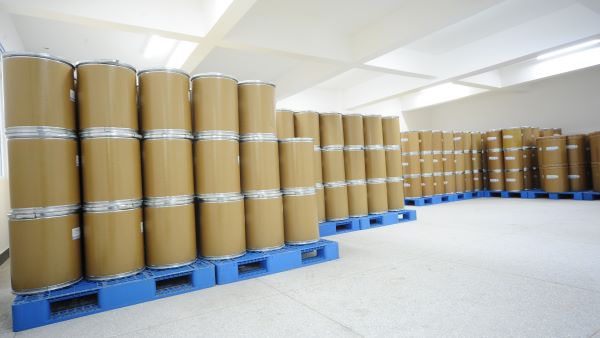
- Standard packaging: 25 kg fiber drums lined with double polyethylene bags.
- Custom packaging available upon request (1 kg, 5 kg, 10 kg options).
Shipping Terms
- Shipped via express (DHL, FedEx, UPS), air freight, or sea freight depending on order quantity and destination.
- Export documentation and customs support provided for all international shipments.
Shelf Life & Storage
- Store in a cool, dry place away from direct sunlight and moisture.
- Keep containers tightly sealed when not in use to maintain product stability.