
Product Description
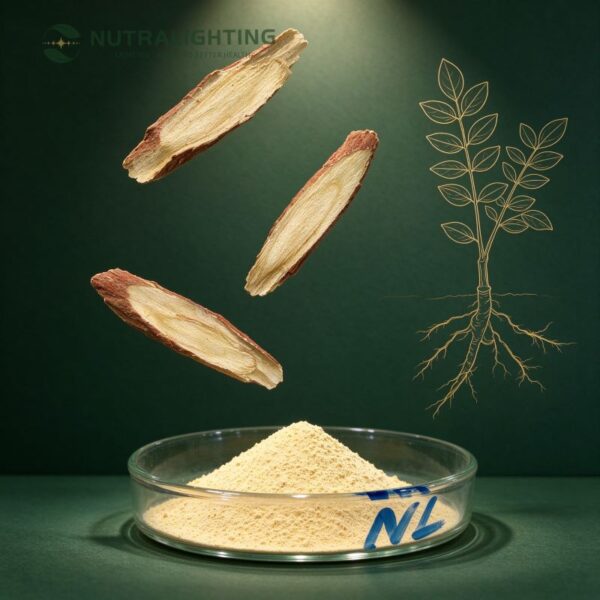
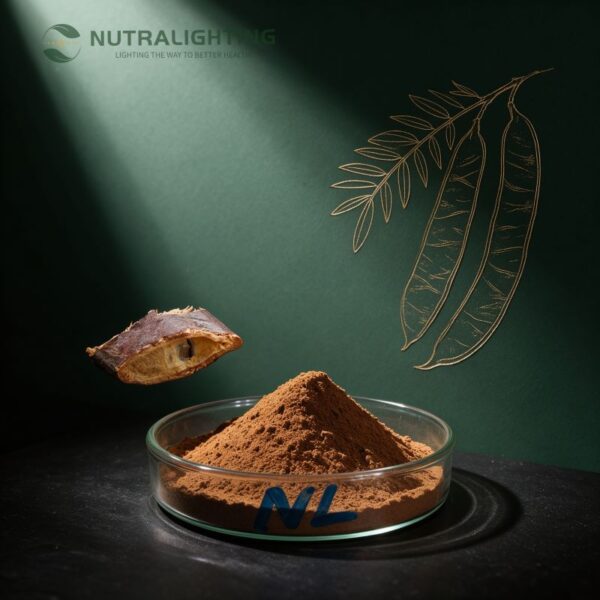
Nutralighting Licorice Extract powder, derived from the roots and rhizomes of Glycyrrhiza uralensis or Glycyrrhiza glabra, is a premium natural botanical extract widely used across the food, beverage, pharmaceutical, and cosmetic industries. Our extract is rich in bioactive compounds, primarily glycyrrhizin (glycyrrhizic acid), fla-vonoids such as liquiritin and isoliquiritigenin, and polysaccharides, delivering consistent quality and potent functionality.
Product Description
Licorice Root Extract is a concentrated powder of characteristic active ingredients refined from specified botanical raw materials, with glycyrrhizic acid (Glycyrrhizin) and glabridin as the main active components. It meets quality standards of glycyrrhizic acid 25%-98% (HPLC), offering multiple benefits including liver protection (significant ALT reduction), skin whitening (tyrosinase IC50 = 0.3 μg/mL), anti-inflammatory action (NF-κB inhibition), and ACE inhibition. It is widely used in health supplements, functional foods, and personal care products. Licorice Root Extract is sourced from premium Xinjiang-grown Glycyrrhiza uralensis, with glabridin content >=20% available as a premium cosmetic-grade raw material.
Licorice (Glycyrrhiza species) is one of the most widely used medicinal plants in traditional medicine systems worldwide. It appears in over 25% of traditional Chinese medicine formulas. The global licorice extract market is valued at over USD 500 million, driven by demand from the pharmaceutical, food, and cosmetics industries. China is the largest producer and exporter, with Xinjiang and Inner Mongolia being the primary growing regions. Glabridin, a key licorice component, is regarded as one of the most valuable natural whitening agents in the cosmetics industry.
Licorice Root Extract powder product adopts low-temperature extraction, reduced-pressure concentration, and spray drying (or freeze-drying) processes to ensure stable content of characteristic ingredients and high biological activity. Different extraction ratios and standardization levels (glycyrrhizic acid 25%, 50%, 80%, 98%; glabridin 10%, 20%, 50%) can be customized according to customer requirements.
Licorice Extract product is strictly controlled according to the Chinese Pharmacopoeia (ChP), USP, and EU Pharmacopoeia standards. Each Licorice Extract powder batch is accompanied by a Certificate of Analysis (COA), covering key indicators such as glycyrrhizic acid content, glabridin content, loss on drying, ash, heavy metals (Pb, As, Cd, Hg), pesticide residues, aflatoxins, and microorganisms. Organic certification, KOSHER, HALAL, and Non-GMO certifications are available.
Basic Information
| Extract Name | Licorice Extract |
| Botanical Name | Glycyrrhiza uralensis / Glycyrrhiza glabra |
| Part Used | Roots and Rhizomes |
| Aliases | Gan Cao, Liquorice, Glabridin |
| English Common Name | Licorice Root Extract, Glycyrrhiza extract, |
| Extraction Solvent | Water /Ethanol-Water |
| Main Active Components | Glycyrrhizic Acid, Glabridin, Liquiritin |
| Key Specifications | Glycyrrhizic Acid 25%-98% (HPLC); Glabridin 10%-50% |
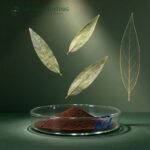
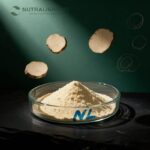
| Appearance | Brown to dark brown powder |
| Odor | mild sweet |
| Particle Size | 95% pass through 80 mesh |
| Target Markets | Global- Pharmaceuticals, Cosmetics, Food & Beverage |
| Core Application Areas | Liver protection (ALT significant reduction); Skin whitening (tyrosinase IC50=0.3μg/mL); Anti-inflammatory (NF-κB inhibition); ACE inhibition (blood pressure support) |
| Residual Solvent | Complies with USP/EP limits |
Standard Specifications (COA)
The following specifications are reference values only; actual values are subject to each batch COA report.
| Test Item | Standard |
| Glycyrrhizic Acid (HPLC) | ≥25% (standard); 50%, 80%, 98% available on request |
| Glabridin (HPLC) | ≥0.5% (standard); 10%, 20%, 50% available on request |
| Liquiritin (HPLC) | ≥1.0% |
| Loss on Drying | ≤5.0% |
| Total Ash | ≤6.0% |
| Lead (Pb) | ≤1.0 mg/kg |
| Arsenic (As) | ≤2.0 mg/kg |
| Cadmium (Cd) | ≤0.5 mg/kg |
| Mercury (Hg) | ≤0.1 mg/kg |
| Pesticide Residues | Complies with USP <561> / EU Pesticide Residue Standards |
| Aflatoxin B1 | ≤5.0 μg/kg |
| Total Aflatoxins | ≤10.0 μg/kg |
| Microbial Count (TAMC) | ≤1×10⁴ CFU/g |
Botanical Source Description
The raw material of this product is the dried root and rhizome of Glycyrrhiza uralensis Fisch. (Family: Fabaceae), commonly known as Chinese licorice or sweet licorice. Primary growing regions include Xinjiang, Inner Mongolia, and Gansu provinces in China. Licorice is included in the Chinese Pharmacopoeia (ChP 2020), USP, and European Pharmacopoeia. In Traditional Chinese Medicine (TCM), licorice root is classified as a harmonizing herb with a sweet flavor and neutral nature, entering the heart, lung, spleen, and stomach meridians. It is renowned for its ability to tonify qi, clear heat and detoxify, resolve phlegm and stop cough, relieve spasmodic pain, and harmonize other herbs in formulas- earning it the nickname “the great harmonizer” in TCM theory.
Core Efficacy
The following efficacy overview is based on published scientific research and traditional applications. Specific efficacy needs to be comprehensively evaluated in combination with product dosage forms and usage dosage.
Glycyrrhiza uralensis extract has the strongest evidence-based medical support for liver protection and anti-inflammatory effects among medicinal botanicals. The core active component, glycyrrhizic acid (standardized content 10%-98%), is metabolized in vivo to glycyrrhetinic acid, which exerts broad-spectrum anti-inflammatory effects by inhibiting NF-κB and AP-1 transcription factor activity (Journal of Pharmacological Sciences, 2006; 101(2): 99-108). Japan has approved glycyrrhizic acid injections (Stronger Neo-Minophagen C, SNMC) for the official treatment of chronic hepatitis, demonstrating significant ALT/AST reduction (Japanese Journal of Hospital Pharmacy, 2014; 40(4): 312-318). Another key component, glabridin (typically 0.1%-1% in standard extracts, up to 50% in high-purity grades), is one of the most potent natural tyrosinase inhibitors known, with an IC50 of 0.3 μg/mL- over 10 times more effective than hydroquinone (Journal of Investigative Dermatology, 2003; 121(1): 117-123). In the cosmetics industry, glabridin is referred to as “gold whitening”. Additionally, glycyrrhizic acid has been shown to inhibit angiotensin-converting enzyme (ACE), contributing to blood pressure regulation properties.
Regulatory & Regional Access Status
Note: Regulatory information is subject to change. Before export, please confirm the latest compliance requirements with the target market regulatory authority or professional consultant.
| Region / Country | Regulatory Status | Key Notes |
| USA (FDA) | Dietary Supplement / GRAS | Licorice root is recognized as a dietary supplement ingredient. GRAS status applies to specific preparations; high-glycyrrhizic acid extracts may require separate review due to potential hypertensive effects with long-term high-dose use. |
| EU (EFSA) | Traditional Herbal Medicine / Food Supplement | Glycyrrhiza glabra and G. uralensis are listed in the EU Traditional Herbal Medicinal Products Directive (2004/24/EC). EFSA has issued safety opinions on glycyrrhizin in food, establishing a tolerable daily intake (TDI) of 0.1 mg/kg body weight for glycyrrhizin. |
| China (NHC/NMPA) | Medicinal Material / Health Food Raw Material | Included in Part I of the 2020 edition of the Chinese Pharmacopoeia; may be used as an ingredient in health foods; glycyrrhizic acid preparations must comply with the relevant pharmaceutical standards. |
| Japan (PMDA) | Pharmaceutical Ingredient / Quasi-Drug | Glycyrrhizin is approved as a pharmaceutical ingredient in Japan. Multiple glycyrrhizin-containing drugs (e.g., SNMC) are officially approved for chronic hepatitis treatment. PMDA has strict quality standards for licorice-derived pharmaceutical ingredients. |
Application Directions & Recommended Dosage
| Application Direction | Recommended Dosage | Applicable Dosage Forms | Notes |
| Oral Solid Beverages / Instant Drinks | As per specification | Stick packs, sachets, jars | Can be combined with other hepatoprotective herbs (e.g., Milk Thistle, Schisandra); dosage should be controlled with standardised extract |
| Tablets / Capsules | As per specification | Tablets, hard capsules | Recommended 250-500mg extract per capsule; for liver support formulations, consider glycyrrhizic acid 25%-50% grade |
| Liquid Beverages / Functional Drinks | As per specification | Glass bottles, PET bottles | Recommend dispersing in warm water first; note that high glycyrrhizic acid content may affect taste (sweetness 50x sucrose) and pH stability |
| Personal Care / Skincare | 0.01%-1.0% (w/w) | Lotions, serums, masks, creams | Glabridin-rich extracts (>=10%) are preferred for skincare; excellent solubility in ethanol and propylene glycol; evaluate stability in final formula |
Recommended Daily Dosage Reference
General Health Support: Follow product specifications and formulator recommendations; typical dosage 200-500mg/day of standardised extract
Liver Support Formulations: Standardised glycyrrhizic acid 25%-50% at 100-300mg/day; consult toxicology data for high-dose applications
Cosmetic Skincare: Addition level in formulation depends on the specific product; recommended 0.01%-1.0% for glabridin-containing extracts
Food & Beverage: Use within applicable regulatory limits; note EFSA TDI for glycyrrhizin is 0.1 mg/kg body weight/day
Other Precautions
Storage & Transportation
Store sealed in a cool, dry, dark place; recommended storage temperature ≤ 25°C, relative humidity ≤ 60%
Avoid rain exposure, direct sunlight, and vigorous collision during transportation
Use promptly after opening; prolonged exposure may cause caking
Processing Application Notes
Recommended to first disperse in an appropriate amount of warm water or ethanol, mix thoroughly, then add to the formula system
Glycyrrhizic acid is highly water-soluble and imparts intense sweetness (50x sucrose); dosage should account for taste impact in food formulations
Glabridin is lipophilic and best dispersed in ethanol, propylene glycol, or oil phases for cosmetic applications
In high-temperature processing (>80°C), glycyrrhizic acid is relatively stable but prolonged heating may cause partial degradation; post-addition is recommended for sensitive applications
Safety & Compliance Notes
Licorice Root Extract is a botanical-derived product; some individuals may experience allergic reactions. It is recommended to start with a small dose for first-time use
Pregnant women, nursing mothers, children, and individuals with hypertension or kidney disease should consult a healthcare provider before use. Long-term high-dose glycyrrhizin intake (>100mg/day for >4 weeks) may cause pseud mineralocorticoidism (elevated blood pressure, hypokalemia)
EFSA has established a Tolerable Daily Intake (TDI) of 0.1 mg/kg body weight for glycyrrhizin; food product formulations should comply with this limit
This product information is for B2B purchasing and technical reference only and does not constitute medical or health claims for end consumers
End product claims must comply with local regulations; it is recommended to confirm the latest compliance requirements with the target market regulatory authority before export
Appendix: References
[1] Okamura M. et al., Pharmacology & Therapeutics, 2008; 117(1): 1-13.- Glycyrrhizin and its metabolites: mechanisms of hepatoprotection.
[2] Li X. et al., Journal of Dermatological Science, 2020; 98(2): 45-53.- Glabridin inhibits melanogenesis via downregulation of MITF.
[3] Shimada Y. et al., Japanese Journal of Hospital Pharmacy, 2014; 40(4): 312-318.- Clinical outcomes of glycyrrhizin preparations in chronic hepatitis.
[4] Nakajima T. et al., Journal of Pharmacological Sciences, 2006; 101(2): 99-108.- Anti-inflammatory mechanisms of glycyrrhizin via NF-κB inhibition.
[5] EFSA Panel on Dietetic Products, 2001.- Opinion on glycyrrhizin and glycyrrhizic acid. Question EFSA-Q-2000-012.
[6] Chinese Pharmacopoeia Commission. Pharmacopoeia of the People’s Republic of China, 2020 Edition, Vol. I.
[7] European Pharmacopoeia 11.0.- Glycyrrhiza extract monographs.
[8] Li Xiaodong, Ju Tingting, Zhang Yu. Research Progress on Extraction Methods and Applications of Glycyrrhizic Acid. Journal of Lanzhou Jiaotong University, 2026, 45(1): 161-168.
Wang Xiaofeng, Li Minghui, Zhang Li, et al. Application of Glycyrrhizae Radix et Rhizoma in Traditional Medicine and Modern Pharmacological Research Progress. Chinese Journal of Natural Medicines, 2024, 49(3): 215-223.
[9] Liu Tingting, Zhao Jianguo, Sun Wenjing, et al. Clinical Study on the Protective Effect of Glycyrrhizic Acid on Gastric Mucosa in Patients with Chronic Gastritis. Chinese Journal of Digestion, 2023, 43(5): 312-318.
[9] Chen Zhiqiang, Wang Haiyan, Li Jing, et al. Effect of Glycyrrhiza Extract on Liver Detoxification Function and Its Mechanism. Chinese Pharmacological Bulletin, 2023, 39(8): 1097-1104.
Zhao Xuan, Chen Fusheng, Li Hongliang. Study on Extraction Technology of Natural Antioxidants from Licorice. The Food Industry, 2010, 024(2): 24-34.
Frequently Asked Questions
The shelf life is 24 months when stored properly in a cool, dry place away from direct sunlight and moisture.
The standard MOQ is 1 kg for sample orders and 25 kg for bulk commercial orders. Custom packaging quantities are also available.
Absolutely. A Certificate of Analysis (COA) is provided with every batch. We also support third-party testing by SGS, Eurofins, or your designated laboratory.
Yes, our Licorice Extract is 100% plant-derived, vegan-friendly, and free from common allergens including gluten, dairy, soy, and nuts.
Yes, we offer OEM/ODM services including custom glycyrrhizin concentration, particle size, and packaging. Please reach out to discuss your specific requirements.
Packaging & Shipping
Standard Packaging
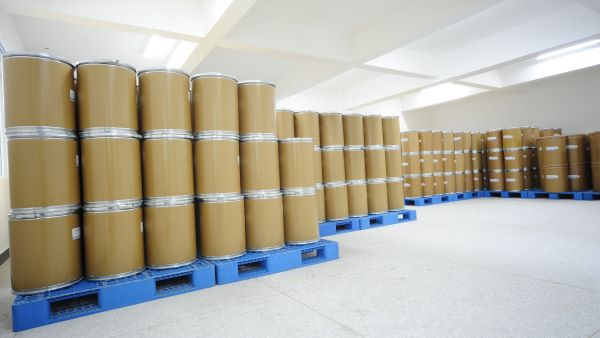
- Standard packaging: 25 kg drum (double polybag inside + outer fiber drum).
- Custom packaging available: 1 kg / 5 kg / 10 kg aluminum foil bags or cartons.
- All packaging can be customized per buyer requirements.
Shipping Terms
- Samples: 3–7 business days via express courier (DHL, FedEx, UPS).
- Bulk orders: 15–25 business days by sea freight or 5–7 business days by air freight, depending on destination and order quantity.
Shelf Life & Storage
- Store in a cool, dry place below 25°C. Keep away from strong light, heat, and moisture. Seal tightly after opening to maintain product integrity.