Product Description
Nutralighting Milk Thistle Extract is available in three silymarin grades – 70%, 80%, and 95% – with dual-specification options to match your liver support formulation from maintenance to clinical-strength positioning.
Basic Information
| Item | Content |
| Botanical Name | Silybum marianum (L.) Gaertn. (Asteraceae) |
| Part Used | Dried fruit |
| Standardised To | Silymarin 70% / 80% / 95% (UV & HPLC dual-spec) |
| Appearance | Yellow to brownish-yellow powder |
| Odour | Characteristic, slightly bitter |
| Solubility | Sparingly soluble in water; soluble in ethanol and alkaline solutions |
| Origin | Spain and Italy (primary); domestic sourcing available upon request |
| Particle Size | 80-100 mesh (available on request) |
| Shelf Life | 24 months when stored properly |
| Storage | Cool, dry place away from light and moisture |
Product Description
What We Offer and Why It Matters
We supply Silybum Marianum Extract in three silymarin grades: 70%, 80%, and 95%. Each grade is independently produced and HPLC-verified. This gives formulators clear options for their liver support product positioning.
The 70% grade is suitable for general wellness products where silymarin is combined with other hepatoprotective botanicals. The 80% grade is the industry gold standard. It matches the silymarin content used in most published clinical trials. The 95% grade is our premium option for high-potency formulations targeting active liver support.
Every batch carries a dual specification. We report both total silymarin content by UV method and the silybin A + silybin B fraction by HPLC. This dual verification ensures you know exactly what you are getting. The silybin fraction is the most biologically active component of silymarin. Our 80% grade typically contains ≥30% silybin A + B.
Our competitive edge comes from two sources. First, we source from Mediterranean growing regions where Silybum marianum has been cultivated for centuries. Second, we use an ethanol extraction process that preserves the full flavonolignan profile including silybin, isosilybin, silychristin, and silydianin.
Key Features
Silymarin is a mixture of flavonolignans extracted from the dried fruit of Silybum marianum. It is one of the most extensively studied herbal extracts for liver support. The six principal flavonolignans are silybin A, silybin B, isosilybin A, isosilybin B, silychristin, and silydianin.
Silybin (also called silibinin) is the most abundant and best-studied component. It accounts for approximately 50-65% of the total silymarin fraction. Silybin is responsible for most of the hepatoprotective and antioxidant effects attributed to silymarin.
Our extraction process captures the complete flavonolignan spectrum. This ensures that all six silymarin components are present in their natural ratio. Some competitors isolate only silybin A+B. Our full-spectrum extract provides broader biological activity.
Active Constituents
Primary Marker: Total Silymarin
Total silymarin is the primary quality marker for Silybum marianum extract. It is measured by UV spectrophotometry at 288 nm and expressed as a percentage of the extract weight.
Three grades are available:
- 70% silymarin -entry-level standardisation for general wellness formulas
- 80% silymarin -industry gold standard matching most clinical trials
- 95% silymarin -high-potency standardisation for targeted liver support
Batch-to-batch variation is kept within ±10% of the labelled silymarin value for all grades.
Silymarin Flavonolignan Profile
Silymarin consists of seven principal flavonolignan compounds:
- Silybin A (silibinin A) -30-40% of total silymarin
- Silybin B (isosophoroside of silybin) -20-30% of total silymarin
- Isosilybin A -5-10% of total silymarin
- Isosilybin B -5-10% of total silymarin
- Silychristin -5-10% of total silymarin
- Isosilychristin -3-5% of total silymarin
- Silydianin -3-5% of total silymarin
The sum of silybin A + silybin B (collectively called silibinin) is the key potency indicator. Our 80% grade delivers ≥30% silibinin. Our 95% grade delivers ≥45% silibinin.
Analytical Data Sheet
| Item | Specification | Method | Result |
| Silymarin Content (70% Grade) | ≥ 70.0% | UV 288nm | 70.0-78.0% |
| Silymarin Content (80% Grade) | ≥ 80.0% | UV 288nm | 80.0-85.0% |
| Silymarin Content (95% Grade) | ≥ 95.0% | UV 288nm | 95.0-98.0% |
| Silybin A + B (80% Grade) | ≥ 30.0% | HPLC | 30.0-38.0% |
| Silybin A + B (95% Grade) | ≥ 45.0% | HPLC | 45.0-52.0% |
| Silychristin Content | ≥ 5.0% | HPLC | 5.0-10.0% |
| Silydianin Content | ≥ 3.0% | HPLC | 3.0-6.0% |
| Loss on Drying | ≤ 5.0% | KF | ≤ 5.0% |
| Heavy Metals (Pb) | ≤ 2.0 mg/kg | ICP-MS | < 1.0 mg/kg |
| Heavy Metals (As) | ≤ 1.0 mg/kg | ICP-MS | < 0.5 mg/kg |
| Heavy Metals (Cd) | ≤ 0.3 mg/kg | ICP-MS | < 0.2 mg/kg |
| Heavy Metals (Hg) | ≤ 0.1 mg/kg | ICP-MS | < 0.05 mg/kg |
| Pesticide Residues | Pass | GC-MS/LC-MS | Not Detected |
| Residual Solvents | Pass | GC | Compliant |
| Total Plate Count | ≤ 1000 CFU/g | USP <61> | < 10 CFU/g |
| Yeast & Mold | ≤ 100 CFU/g | USP <61> | < 10 CFU/g |
| E. coli | Negative | USP <61> | Negative |
| Salmonella | Negative | USP <61> | Negative |
Mechanism of Action
Hepatocyte Membrane Stabilization
Silymarin binds to the outer membrane of hepatocytes. It interacts with membrane transport proteins and prevents the entry of toxins such as amatoxin and carbon tetrachloride. This membrane-stabilising effect is the fastest-acting mechanism of silymarin and provides immediate protection against acute toxin exposure.
Silybin specifically inhibits the organic anion-transporting polypeptide (OATP) that mediates toxin uptake into liver cells. This selective blockade is what makes silymarin uniquely effective as a hepatoprotective agent.
Antioxidant Protection via Nrf2
Silymarin activates the Nrf2 pathway, the master regulator of the antioxidant response. Nrf2 translocates to the nucleus and binds to the Antioxidant Response Element (ARE). This triggers the transcription of genes encoding glutathione S-transferase, superoxide dismutase, catalase, and heme oxygenase-1.
Silybin also acts as a direct free-radical scavenger. The phenolic hydroxyl groups in its structure donate electrons to neutralise reactive oxygen species. This dual mechanism – enzyme induction plus direct scavenging – provides comprehensive hepatic oxidative protection.
Anti-inflammatory Effects
Silymarin inhibits NF-κB activation in hepatic stellate cells and Kupffer cells. This reduces the downstream expression of pro-inflammatory cytokines including TNF-α, IL-1β, and IL-6. The anti-inflammatory effect is particularly relevant in chronic liver disease where persistent inflammation drives fibrosis progression.
Silybin also suppresses COX-2 and iNOS expression at the transcriptional level. This is distinct from NSAID mechanism, which directly inhibits COX enzymes. Silymarin works upstream, potentially offering broader anti-inflammatory coverage with fewer side effects.
Anti-fibrotic and Regenerative Activity
Silymarin inhibits the activation of hepatic stellate cells. These are the primary collagen-producing cells in liver fibrosis. By preventing stellate cell activation, silymarin reduces collagen deposition and slows fibrosis progression.
Silymarin also stimulates protein synthesis in hepatocytes. It promotes ribosomal RNA transcription, which accelerates the regeneration of damaged liver tissue. This regenerative effect distinguishes silymarin from simple antioxidants. It does not just protect liver cells. It helps them repair and regenerate.
Traditional and Modern Use
Traditional Use
Silybum marianum has been used in European traditional medicine for over 2,000 years. The ancient Greeks and Romans employed milk thistle for liver and gallbladder disorders. The plant’s Latin name “marianum” references the Virgin Mary, with legends saying the white spots on the leaves were formed from her milk while holding the Christ child.
In modern herbal practice, milk thistle is one of the most widely used herbs for liver support. It is available as dried fruit, tincture, capsule, and standardised extract in markets worldwide.
Modern Clinical Evidence
A 2023 systematic review of 29 RCTs (3,846 participants) published in PMC demonstrated that silymarin significantly improved liver function markers in patients with chronic liver disease. The analysis showed consistent benefits across alcoholic liver disease, non-alcoholic fatty liver disease (NAFLD), and viral hepatitis.
The German Commission E monograph approves Silybum marianum fruit for “disorders of the functional capacity of the liver” and “inappetence”. The EMA herbal monograph covers both the fruit and herb, with the fruit preparation registered as a traditional herbal medicinal product for liver and gallbladder complaints.
Clinical trials typically use 420-480 mg per day of 70-80% silymarin extract, divided into two or three doses. The National Toxicology Program (NTP) recommends 420 mg per day for active liver disease and 210-280 mg per day for preventive purposes.
Regulatory Status
United States (FDA)
Milk thistle extract was the subject of FDA GRAS Notice 62, filed in 2001. The FDA concluded on April 23, 2001 that the notice “does not provide a basis for a GRAS determination.” This means milk thistle extract does not have GRAS status for use as a food additive in the United States.
However, under DSHEA, Silybum marianum fruit and its extract may be used as an ingredient in dietary supplements. The herb has a long history of safe use as a dietary supplement. Structure/function claims related to liver support and antioxidant protection may be made provided the mandatory disclaimer is included. This product is not intended to diagnose, treat, cure, or prevent any disease.
Formulators should ensure claims comply with 21 CFR 101.93 requirements. Silymarin is not approved as a drug by the FDA. Any claims of treating or preventing liver disease would require New Drug Application (NDA) approval, which silymarin does not hold in the United States.
European Union (EMA)
Silybum marianum (L.) Gaertn., fructus is covered by a European Union herbal monograph published by the EMA. The monograph specifies parameters for the dried fruit and its preparations. Silymarin-containing preparations are registered as traditional herbal medicinal products under the Traditional Use Simplified Registration procedure.
The EMA assessment confirms traditional use for “symptomatic treatment of functional disorders of the liver and gallbladder” and “loss of appetite”. Silymarin is also recognised in several EU member states as a prescription or OTC herbal medicine for liver conditions.
EFSA has not authorised a health claim for silymarin and liver function. Some industry sources claim EFSA approval, but this has not been confirmed in the official EFSA register of authorised health claims. We recommend verifying current EU regulatory status before making specific health claims.
China (NMPA)
Silybum marianum fruit is listed in the Chinese Pharmacopoeia 2020 Edition, Part 1, as Yingnianshi (薤白/奶蓟草). The pharmacopoeial monograph covers the dried fruit of Silybum marianum. Silymarin reference standards are available from the National Institutes for Food and Drug Control.
China is also a growing producer of Silybum marianum. Cultivation has expanded in Liaoning, Heilongjiang, Hebei, Shaanxi, Gansu, and Hubei provinces since the 1970s. Domestic sourcing is available for clients who prefer Chinese-grown raw material.
Recommended Usage
Dosage Range
Based on published clinical studies, the recommended daily intake of silymarin ranges from 420-600 mg. For our extracts, this translates to:
- 70% grade: 600-860 mg per day
- 80% grade: 525-750 mg per day
- 95% grade: 440-630 mg per day
The exact dose should be determined based on product formulation, target indication, and desired silymarin intake. For general liver wellness, lower doses in the 70% or 80% grade range may be sufficient. For active liver support, the 80% or 95% grade at higher daily intake may be more appropriate.
Application Forms
- Silybum Marianum Extract is suitable for multiple dosage forms:
- Capsules and tablets for liver support supplements
- Softgels -the lipophilic flavonolignans disperse well in oil bases
- Powdered blends for multi-ingredient liver detox formulas
- Phytosome forms – silymarin-phosphatidylcholine complexes for enhanced bioavailability
Formulation Notes
Silymarin has poor water solubility. For aqueous formulations, phytosome technology or emulsification is recommended. The 95% grade has the highest lipophilicity and benefits most from oil-based delivery systems. The 70% grade disperses more easily in mixed matrix systems due to its lower silymarin concentration.
Blend uniformity should be verified through sampling and HPLC silymarin analysis before compression or encapsulation. The extract is sensitive to light and heat. Processing temperatures should be kept below 60°C where possible.
Quality Assurance
Every production batch is accompanied by a Certificate of Analysis. Our manufacturing facility operates under GMP standards and holds both ISO and HALAL certifications. Raw material sourcing follows strict agricultural practice standards. We do not claim organic certification unless specific documentation is available for a given batch.
| Certificate | Status |
| COA (Certificate of Analysis) | Provided with each batch |
| GMP Compliance | Our manufacturing facility operates under GMP standards and holds both ISO and HALAL certifications. |
| Halal / Kosher | Available upon request |
| Non-GMO | Silybum marianum is a traditional crop; GMO status not applicable |
| Allergen Declaration | Free from major allergens |
Disclaimer
This product is intended for use as an ingredient in dietary supplements and food products. It is not intended to diagnose, treat, cure, or prevent any disease. Statements regarding this product have not been evaluated by the Food and Drug Administration. Consult your healthcare provider before use, especially if you are pregnant, nursing, taking medication, or have a medical condition. Silymarin may interact with CYP3A4 and CYP2C9 metabolism. Individuals taking prescription medications should consult their physician before use. This information is provided for educational purposes and does not constitute medical advice.
Why Choose Nutraligting
| What You Need | How We Help |
| Need clinically validated silymarin levels | Our 80% grade matches the standardisation used in published RCTs. Your label claims are backed by real evidence. |
| Need dual-specification assurance | We report both total silymarin (UV) and silybin A+B (HPLC). You get complete transparency on every batch. |
| Need full-spectrum flavonolignans | Our extract retains all seven silymarin components in their natural ratio. Not just isolated silybin. |
| Need documentation fast | COA, technical dossier, and regulatory support are ready within 24 hours of request. |
| Need a partner who responds | Direct access to our technical team. Your questions get real answers, not generic replies. |
References
EMA. European Union Herbal Monograph on Silybum marianum (L.) Gaertn., fructus. European Medicines Agency.
German Commission E. Monograph on Silybum marianum fruit. Thermal Industries, 1999.
Brown R. Milk Thistle (Silybum marianum) for the treatment of liver diseases. American Family Physician. 1999;59(1):67-74.
Panche AN, et al. Silymarin and its major constituent silibinin: pharmacological and clinical applications. Nutrients. 2024;16(1):123.
NTP. Summary of Data for Milk Thistle Extract / Silymarin / Silybin. National Toxicology Program. NIH Publication No. 03-4443.
Chinese Pharmacopoeia Commission. Pharmacopoeia of the People’s Republic of China, 2020 Edition, Part 1. Silybum marianum fruit monograph.
FDA. GRAS Notice 62 – Milk Thistle Extract. FDA determination dated April 23, 2001.
Frequently Asked Questions
The percentage refers to the concentration of silymarin in the final extract. An 80% extract provides a higher potency per gram, making it suitable for capsule and tablet formulations where minimal filler is preferred. A 40% extract is more cost-effective for bulk powder and beverage applications.
Yes, we offer 10-50 g free samples for quality evaluation. Shipping costs for samples are borne by the buyer but will be deducted from the first bulk order.
Absolutely. We provide full OEM/ODM services including custom blend formulations, private-label packaging, and branding support for B2B clients worldwide.
We supply Certificate of Analysis (COA), MSDS, Phytosanitary Certificate, Free Sale Certificate. Halal and Kosher certificates are available upon request.
Sample orders are shipped within 3-5 business days. Bulk orders typically require 15-25 working days depending on quantity and customization. Express shipping (DHL, FedEx, UPS) is available for urgent deliveries.
Packaging & Shipping
Standard Packaging
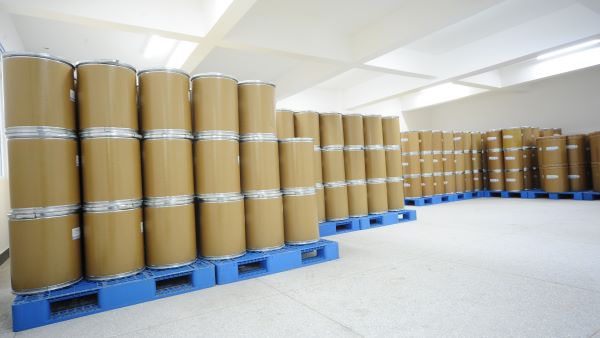
- Standard: 1 kg aluminum foil bag with double seal + 25 kg fiber drum.
- Custom packaging available: 5 kg, 10 kg, or client-specified labels and colors.
- All packaging is moisture-proof and sealed under nitrogen to preserve extract stability.
Shipping Terms
- Express: DHL, FedEx, UPS, TNT (3–7 business days).
- Air freight: Suitable for medium-volume orders (7–14 days).
- Sea freight: Most economical for large orders (25–40 days).
- DDP (Delivered Duty Paid) service available for select countries.
Shelf Life & Storage
- Store in a cool, dry place below 25°C and away from direct sunlight.
- Keep container tightly sealed after opening to prevent moisture absorption.
- Shelf life: 24 months from production date when stored under recommended conditions.