Product Description
Nutralighting provides mulberry leaves extract available in three 1-DNJ standardisation levels – 1%, 3%, and 5% – for flexible blood sugar support formulations.
Basic Information
| Item | Content |
| Botanical Name | Morus alba L. (Moraceae) |
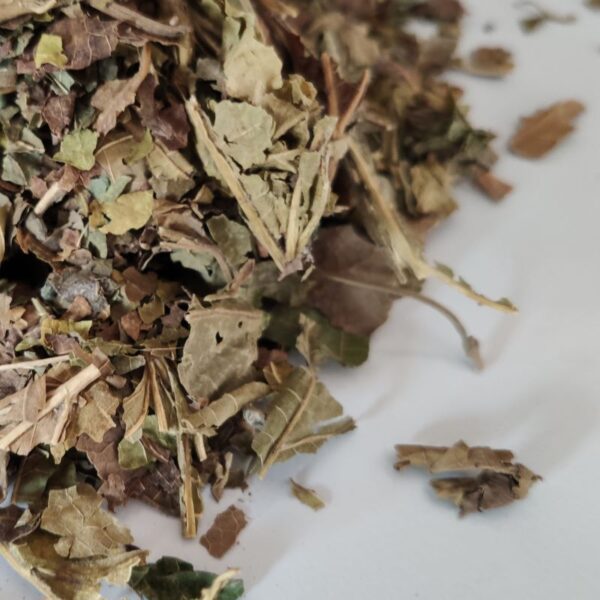
| Part Used | Dried leaf |
| Standardised To | 1-DNJ 1% / 3% / 5% (HPLC) |
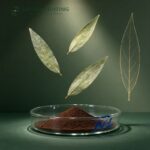
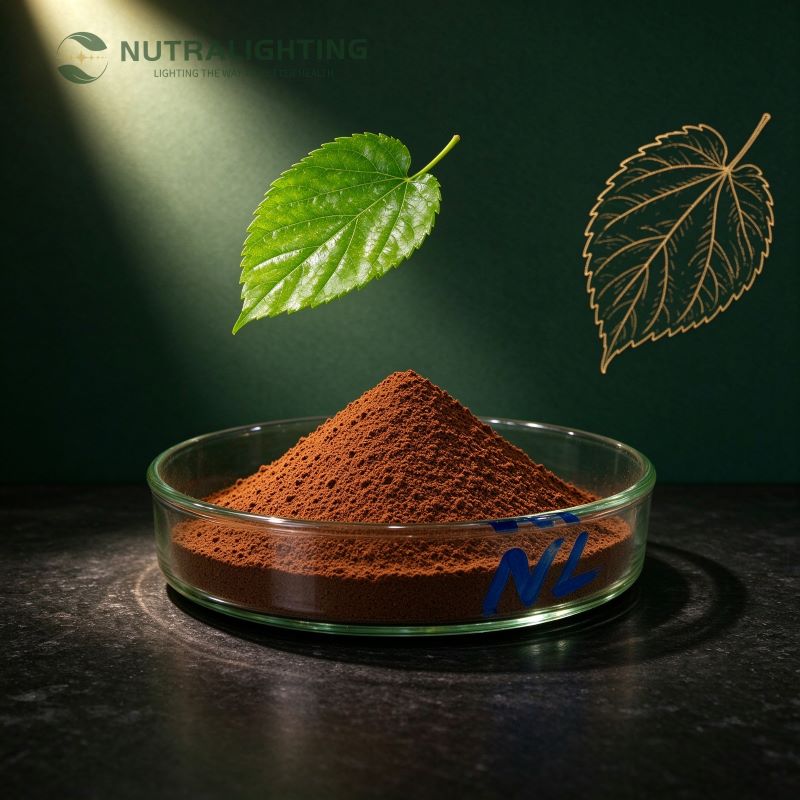
| Appearance | Light brown to dark brown powder |
| Odour | Characteristic, mild herbaceous |
| Taste | Bitter taste |
| Extraction Solvent | Food-grade ethanol /water |
| Solubility | Partially soluble in water; soluble in ethanol |
| Origin | Yunnan and Guizhou Provinces, China |
| Particle Size | 80-100 mesh (available on request) |
| Shelf Life | 24 months when stored properly |
| Storage | Cool, dry place away from light and moisture |
Product Description
What We Offer and Why It Matters
We supply Mulberry Leaf Extract in three 1-DNJ standardisation levels: 1%, 3%, and 5%. Each grade is independently produced and HPLC-verified. This gives formulators flexibility. You can choose the level that matches your target dose and label claim.
Our competitive edge comes from three sources. First, our raw material originates from high-altitude mulberry orchards in Yunnan and Guizhou. Leaves from these regions naturally accumulate higher 1-DNJ concentrations. Second, we use a low-temperature aqueous extraction process. This preserves heat-sensitive alkaloids and flavonoids that are lost in high-heat methods. Third, every batch is tested for 1-DNJ content before shipment. You receive consistent potency, not an average value.
Key Features
The extract is produced from first-harvest leaves picked before full summer growth. Early-harvest leaves contain more 1-DNJ than late-season material. We dry the leaves under controlled temperature before extraction. This prevents enzymatic degradation of the alkaloid fraction.
Our three specification grades cover most formulation needs. The 1% grade suits products that combine mulberry with other blood sugar support ingredients. The 3% grade delivers moderate 1-DNJ in a compact capsule format. The 5% grade matches the dose used in published clinical trials. All three grades share the same quality baseline for heavy metals, pesticides, and microbial limits.
Active Constituents
Primary Marker: 1-DNJ
1-Deoxynojirimycin (1-DNJ) is the principal bioactive alkaloid in mulberry leaf. It is a privileged compound for carbohydrate metabolism support. 1-DNJ inhibits intestinal alpha-glucosidase enzymes including maltase-glucoamylase and sucrase-isomaltase. This slows the breakdown of complex carbohydrates into absorbable glucose.
The extract is standardised to 1-DNJ by HPLC. Three grades are available: 1%, 3%, and 5%. The 5% grade corresponds to the dosage used in human clinical studies. Batch-to-batch variation is kept within ±10% of the labelled value.
Secondary Constituents
Rutoside (rutin) is another key marker compound. The Chinese Pharmacopoeia requires dried mulberry leaf to contain ≥ 0.10% rutoside. Our extract typically contains 2-5% rutoside, depending on the standardisation grade.
Total flavonoids contribute antioxidant activity. Fagomine, a structural analogue of 1-DNJ, is present in trace amounts. Both compounds share the alpha-glucosidase inhibitory mechanism. Phenolic acids such as chlorogenic acid add to the overall antioxidant capacity of the extract.
Analytical Data Sheet
| Item | Specification | Method | Result (For reference) |
| 1-DNJ Content (1% Grade) | ≥ 1.0% | HPLC | 1.0-1.5% |
| 1-DNJ Content (3% Grade) | ≥ 3.0% | HPLC | 3.0-3.8% |
| 1-DNJ Content (5% Grade) | ≥ 5.0% | HPLC | 5.0-5.8% |
| Rutoside Content | ≥ 2.0% | HPLC | 2.5-4.0% |
| Total Flavonoids | ≥ 10.0% | UV | 12-18% |
| Loss on Drying | ≤ 5.0% | KF | ≤ 5.0% |
| Heavy Metals (Pb) | ≤ 2.0 mg/kg | ICP-MS | < 1.0 mg/kg |
| Heavy Metals (As) | ≤ 1.0 mg/kg | ICP-MS | < 0.5 mg/kg |
| Heavy Metals (Cd) | ≤ 0.3 mg/kg | ICP-MS | < 0.2 mg/kg |
| Heavy Metals (Hg) | ≤ 0.1 mg/kg | ICP-MS | < 0.05 mg/kg |
| Pesticide Residues | Pass | GC-MS/LC-MS | Not Detected |
| Total Plate Count | ≤ 1000 CFU/g | USP <61> | < 10 CFU/g |
| Yeast & Mold | ≤ 100 CFU/g | USP <61> | < 10 CFU/g |
| E. coli | Negative | USP <61> | Negative |
| Salmonella | Negative | USP <61> | Negative |
Mechanism of Action
Alpha-Glucosidase Inhibition
1-DNJ is a competitive inhibitor of intestinal alpha-glucosidase. It binds to the active site of maltase-glucoamylase and sucrase-isomaltase. This blocks the final step of carbohydrate digestion. Glucose release into the bloodstream is slowed. Postprandial blood glucose spikes are attenuated.
A randomised, double-blind, placebo-controlled study in normoglycaemic adults showed that mulberry leaf extract standardised to 5% 1-DNJ significantly improved glucose tolerance after a glucose challenge. Insulin concentration at 60 minutes was also reduced compared to placebo. The effect was attributed to delayed carbohydrate absorption in the small intestine.
Optimal Dose Finding
A dose-ranging study tested 3, 6, and 9 mg of 1-DNJ per serving. Postprandial glucose at 30 minutes was significantly lower in the 6 mg and 9 mg groups compared to placebo. The 12 mg 1-DNJ dose was identified as optimal for reducing postprandial hyperglycemia with no side effects reported. Long-term ingestion of mulberry leaf extract also showed a modest reduction in fasting plasma glucose.
Lipid Metabolism Support
Mulberry leaf extract has demonstrated lipid-modulating effects in animal studies. 1-DNJ and associated flavonoids may reduce triglyceride accumulation in liver tissue. Total cholesterol and LDL cholesterol were lowered in diet-induced obese models. The mechanism may involve modulation of SREBP-1c expression and improved insulin sensitivity.
Antioxidant Activity
The flavonoid fraction of mulberry leaf extract scavenges free radicals in vitro. DPPH radical scavenging activity is significant at concentrations above 50 μg/mL. The extract upregulates endogenous antioxidant enzymes including superoxide dismutase and glutathione peroxidase. This dual action — direct scavenging plus enzyme induction — may provide sustained oxidative protection.
Traditional and Modern Use
Traditional Use in Chinese Medicine
Morus alba leaf, known as Sangye in Chinese materia medica, has been used for over a thousand years. It is classified as sweet, bitter, and cold in nature. Traditional practitioners used it for wind-heat conditions, lung dryness, and visual disturbance. The leaf was also employed to calm liver yang and reduce internal heat. Modern TCM formularies continue to include Sangye as a standard herbal ingredient.
The Chinese Pharmacopoeia 2020 Edition, Part 1, lists Mulberry Leaf as an official medicinal material. The monograph specifies a minimum rutoside content of 0.10% in the dried leaf. Our extracts exceed this standard by a wide margin.
Modern Research Directions
Contemporary research focuses primarily on blood glucose management. Clinical trials have examined mulberry leaf extract for postprandial glycemic control in healthy adults and individuals with impaired glucose metabolism. Additional research explores its role in lipid management, hepatic steatosis, and metabolic syndrome components.
Most clinical evidence comes from studies using extracts standardised to 5% 1-DNJ at doses of 250-500 mg per serving. Results are consistent across multiple trials. However, long-term safety data beyond 12 weeks remains limited. Further large-scale studies would strengthen the evidence base for chronic use.
Regulatory Status
United States (FDA)
White mulberry leaf extract was the subject of GRAS Notice GRN 992, filed in 2022. The notifier requested that FDA cease evaluation of this notice. As of 2026, no “FDA has no questions” letter has been issued. The extract is not listed in the FDA GRAS inventory with confirmed status.
Under DSHEA, mulberry leaf as a dried botanical material may be used in dietary supplements. Structure/function claims related to blood sugar support may be made provided the mandatory disclaimer is included. This product is not intended to diagnose, treat, cure, or prevent any disease. Formulators should consult legal counsel for claim substantiation requirements.
European Union (EFSA)
EFSA has not evaluated mulberry leaf extract under the Novel Food Regulation. Current EU novel food catalogues recognise mulberry fruit as a traditional food ingredient. Mulberry leaf has not received specific status. Some member states may consider leaf preparations as traditional herbal medicinal products. We recommend verifying national-level requirements before EU market placement.
China (NMPA)
Morus alba leaf is listed in the Chinese Pharmacopoeia 2020 Edition, Part 1. It is an approved traditional Chinese medicinal material. The leaf is also commonly consumed as a tea and food ingredient in southern Chinese provinces. No special regulatory restrictions apply to its use in domestic food or health food products.
Recommended Usage
Dosage Range
Based on clinical studies, the recommended daily intake of 5% 1-DNJ-standardised extract is 250-500 mg. This delivers approximately 12.5-25 mg of 1-DNJ per day. For the 3% grade, a daily dose of 400-600 mg is suggested. For the 1% grade, 1,000-1,500 mg per day may be appropriate.
For products targeting postprandial glucose support, timing matters. The extract should be taken with or immediately before a carbohydrate-containing meal. This ensures 1-DNJ is present in the intestinal lumen when alpha-glucosidase enzymes are active.
Application Forms
Mulberry Leaf Extract is suitable for multiple dosage forms:
Capsules and tablets for blood sugar support supplements
Powdered blends for custom multi-ingredient formulas
Functional beverages and drink mixes
Chewable gummies and softgels
Formulation Notes
The 5% 1-DNJ grade is the most concentrated and requires the smallest capsule fill weight. This is advantageous for hard capsule formats where fill volume is limited. The powder has good flow characteristics for automated encapsulation. Blend uniformity should be verified through sampling and HPLC analysis before compression or encapsulation.
Quality Assurance
Every production batch is accompanied by a Certificate of Analysis. Our facility operates under GMP guidelines. Raw material sourcing follows strict agricultural practice standards. We do not claim organic certification unless specific documentation is available for a given batch.
| Certificate | Status |
| COA (Certificate of Analysis) | Provided with each batch |
| GMP Compliance | Our manufacturing facility operates under GMP standards |
| Halal / Kosher | Available upon request |
| Non-GMO | Morus alba is a traditional herb; GMO status not applicable |
| Allergen Declaration | Free from major allergens |
Packaging and Shipping
| Package Size | Material | Shelf Life | Storage |
| 1 kg | Double PU bag + aluminium foil bag | 24 months | Cool, dry place |
| 5 kg | Double PU bag + aluminium foil bag | 24 months | Cool, dry place |
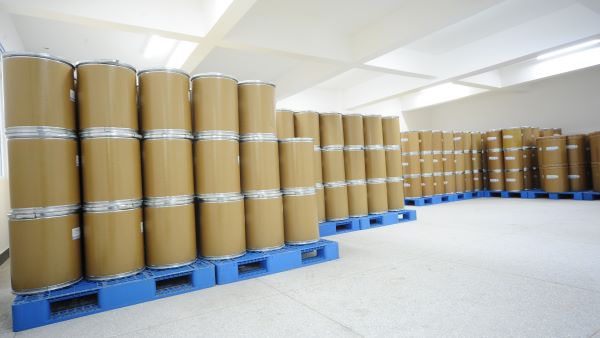
| 25 kg | Drum with double PE liner | 24 months | Cool, dry place |
| Custom | Available upon request | See COA | As specified |
Disclaimer
This product is intended for use as an ingredient in dietary supplements and food products. It is not intended to diagnose, treat, cure, or prevent any disease. Statements regarding this product have not been evaluated by the Food and Drug Administration. Consult your healthcare provider before use, especially if you are pregnant, nursing, taking medication, or have a medical condition. Individuals taking glucose-lowering medication should monitor blood sugar levels closely when using mulberry leaf products. This information is provided for educational purposes and does not constitute medical advice.
Why Choose Nutraligting
| What You Need | How We Help |
| Need clinically relevant 1-DNJ levels | Our 5% grade matches the dosage used in published human trials. No guesswork on potency. |
| Need flexible specification options | Three grades – 1%, 3%, and 5% – let you optimise fill weight and label claim independently. |
| Need batch consistency | HPLC testing on every batch. You receive the labelled 1-DNJ content, not a range estimate. |
| Need fast documentation | COA, technical dossier, and regulatory support ready within 24 hours of request. |
| Need a partner who responds | Direct communication with our technical team. Your questions get answers, not auto-replies. |
References
Chinese Pharmacopoeia Commission. Pharmacopoeia of the People’s Republic of China, 2020 Edition, Part I. Mori Cacumen monograph.
Fujita S, et al. Effect of mulberry leaf extract with enriched 1-deoxynojirimycin content on postprandial glycemic control in subjects with impaired glucose metabolism. Journal of Clinical Biochemistry and Nutrition. 2013;52(3):217-223.
Kikuzaki H, et al. Structural requirements of deoxynojirimycin analogues for inhibition of intestinal disaccharidases and postprandial hyperglycemia. Journal of Nutrition. 2002;132(7):2010-2015.
FDA. GRAS Notice GRN 992 — White mulberry (Morus alba Linn) leaf extract. Closure date: May 6, 2022. At the notifier’s request, FDA ceased to evaluate this notice.
EFSA Panel on Dietetic Products, Nutrition and Allergies. Scientific opinions on botanical substances in food supplements. EFSA Journal archives.
Zhang Y, et al. Mulberry leaves and their potential effects against cardiometabolic risks: a review of chemical compositions, biological properties and clinical efficacy. Nutrients. 2019;11(5):1021.
GB/T 40642-2021. Determination of 1-deoxynojirimycin in extract of mulberry leaf — HPLC method. Standards Press of China.
Frequently Asked Questions
Our standard MOQ is 1 kg for trial orders. Bulk quantities start at 25 kg. Custom packaging is available for larger orders.
Yes, we offer free samples up to 100 g for quality evaluation. Shipping cost for samples is borne by the buyer.
Our facility is ISO-certified with cGMP compliance. Halal certifications are available upon request. Full COA and MSDS are provided with every shipment.
Yes, our Mulberry Extract is plant-derived and suitable for vegan and vegetarian formulations.
The product has a 24-month shelf life when stored in a cool, dry place protected from direct light and moisture. Keep containers tightly sealed after opening.
Yes, we provide OEM/ODM services including custom anthocyanin concentrations, private labeling, and tailored packaging solutions for B2B clients.
Standard lead time is 15-25 business days after order confirmation and receipt of payment, depending on order quantity and packaging requirements.
Please send us your required specification (1-dnj content, packaging size, quantity), target price, and destination port. Our team will respond within 24 hours with a competitive quote.
Packaging & Shipping
Standard Packaging
- Standard: 25 kg drum lined with double PE bags.
- Custom: 1 kg / 5 kg / 10 kg aluminum foil bags or as per buyer requirement.
- Private label packaging available upon request.
Shipping Terms
- Express (DHL, FedEx, TNT): 3-7 business days for sample/small orders.
- Air freight: 5-10 business days for bulk orders.
- Sea freight: 20-35 business days depending on destination port.
- FOB and CIF terms available.
Shelf Life & Storage
- Store in a cool, dry place below 25°C.
- Keep away from direct sunlight, moisture, and strong odors.
- Seal container tightly after each use.
- Ensure good ventilation in storage area.