Product Description
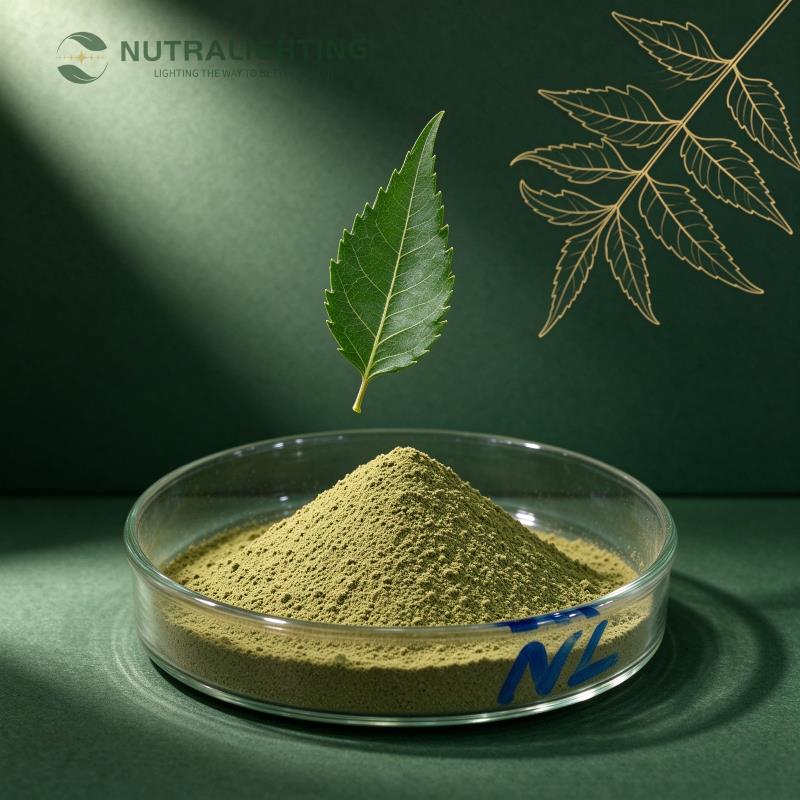
Neem Leaf Extract (Azadirachta indica leaf Extract) is a standardised botanical extract traditionally associated with formulations for skin health, immune support, and oral care. Available in 10:1, 20:1, and 50:1 extract ratios, with nimbin and total limonoid content verified by HPLC-DAD analysis – ideal for dietary supplement and functional food applications.
Basic Information
| Item | Content |
| Botanical Name | Azadirachta indica A. Juss. (Meliaceae) |
| Part Used | Leaf (dried) |
| Plant Origin | Native to the Indian subcontinent; cultivated in Yunnan and Hainan provinces, China. Also widely grown in India, Southeast Asia, and tropical Africa |
| Solvent | Food-grade ethanol / water (Ph. Eur. grade) |
| Standardisation | Nimbin (HPLC-DAD); Total limonoids (UV spectrophotometry) |
| Specifications | 10:1 / 20:1 / 50:1 extract ratio; Nimbin ≥ 1-3%; Total limonoids ≥ 5-30% (varies by grade, HPLC/UV) |
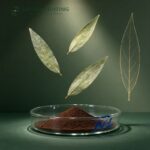
| Appearance | Fine powder, dark green to brownish-green |
| Odour | Mild, characteristic herbal |
| Taste | Very bitter |
| Moisture | ≤ 8.0% (LoD) |
| Ash | ≤ 10.0% (Total ash); ≤ 2.0% (Acid-insoluble ash) |
| Heavy Metals | Pb ≤ 2 ppm; As ≤ 1 ppm; Hg ≤ 0.1 ppm; Cd ≤ 0.3 ppm |
| Residual Solvents | Ethanol ≤ 2,000 ppm (Ph. Eur. 2.4.24) |
| Microbiological | Total aerobic count ≤ 10^3/g; Yeast & mould ≤ 10^2/g; E. coli negative; Salmonella negative |
| Particle Size | 95% pass 80 mesh (180 μm) |
| Shelf Life | 24 months (store below 25°C, protected from light and moisture) |
| Target Market | India, China, USA, EU, Southeast Asia, Latin America |
| Core Application Areas | Skin health supplements; Immune support; Oral care; Hair care; Capsules and tablets |
Product Description
Neem Extract is obtained from the dried leaf of Azadirachta indica A. Juss. It belongs to the Meliaceae family and is native to the Indian subcontinent.
Three extract ratio grades are available – 10:1, 20:1, and 50:1. Each grade is independently verified for nimbin content using HPLC-DAD. The 10:1 grade is suitable for general-purpose wellness and skin care blends. The 20:1 grade offers a more concentrated option for immune support formulations. The 50:1 grade delivers a highly concentrated extract for premium skin and oral care applications.
The key bioactive constituents are tetranortriterpenoid limonoids, particularly nimbin and related compounds. These limonoids are responsible for the plant antimicrobial, anti-inflammatory, and immunomodulatory activities.
Azadirachta indica is native to the Indian subcontinent (India, Myanmar, Bangladesh). It has been cultivated in Yunnan and Hainan provinces in China since the 1980s. Yunnan province now hosts the largest artificial neem plantation globally, with over 400,000 trees.
Active Constituents
The bioactive profile of Neem Extract is dominated by tetranortriterpenoid limonoids. Our standardisation covers nimbin as the primary marker, with total limonoids as a secondary quality indicator.
Primary Marker: Nimbin
Nimbin (CAS 5945-86-8, C30H36O9, MW 540.60) is a tetranortriterpenoid limonoid uniquely found in Azadirachta indica. It is quantified by HPLC-DAD at 254 nm. Nimbin exhibits potent antimicrobial, anti-inflammatory, and immunomodulatory properties. It is one of the most abundant limonoids in neem leaf extract, typically representing 0.5-3% of the dry extract weight.
Secondary Marker: Total Limonoids
Total limonoid content is determined using UV spectrophotometry. Neem leaves contain over 130 identified triterpenoid compounds, with the limonoid fraction being the most pharmacologically significant. Total limonoids typically range from 5% to 30% of the dry extract weight, depending on the extraction ratio and growing conditions.
COA Standard Specifications
| Item | Specification | Method | Result Range |
| Nimbin | ≥ 1% | HPLC-DAD 254 nm | Varies by grade |
| Total limonoids | ≥ 5% | UV spectrophotometry | Varies by grade |
| Loss on drying | ≤ 8.0% | LoD 105°C | – |
| Total ash | ≤ 10.0% | Char at 600°C | – |
| Acid-insoluble ash | ≤ 2.0% | HCl extraction | – |
| Ethanol residual | ≤ 2,000 ppm | GC (Ph. Eur. 2.4.24) | – |
| Lead (Pb) | ≤ 2 ppm | ICP-MS | – |
| Arsenic (As) | ≤ 1 ppm | ICP-MS | – |
| Mercury (Hg) | ≤ 0.1 ppm | ICP-MS | – |
| Cadmium (Cd) | ≤ 0.3 ppm | ICP-MS | – |
| Total aerobic count | ≤ 10^3/g | Ph. Eur. 2.6.12 | – |
| Yeast and mould | ≤ 10^2/g | Ph. Eur. 2.6.12 | – |
| E. coli | Negative | Ph. Eur. 2.6.12 | – |
| Salmonella | Negative | Ph. Eur. 2.6.12 | – |
Mechanism of Action
Antimicrobial Activity
Neem extract demonstrates broad-spectrum antimicrobial activity against bacteria, fungi, and viruses. The limonoid fraction disrupts microbial cell membranes and inhibits pathogen adhesion to host cells. This mechanism supports its traditional use for skin conditions and oral hygiene.
Anti-inflammatory Effects
Nimbin suppresses pro-inflammatory signalling pathways. It inhibits NF-κB activation and reduces the expression of COX-2, iNOS, and inflammatory cytokines including TNF-α and IL-6. These actions contribute to its anti-inflammatory and anti-allergic properties.
Immunomodulation
Neem extract modulates immune function through multiple mechanisms. It enhances natural killer cell activity and promotes cytokine production. The combined antimicrobial and immunomodulatory actions support systemic immune resilience.
Skin Barrier Support
Neem extract strengthens skin barrier function and reduces transepidermal water loss. Its antimicrobial and anti-inflammatory actions address the underlying causes of common skin conditions including acne, eczema, and dandruff.
Traditional and Modern Use
Neem has been used in Ayurvedic medicine for over 3,000 years. It is one of the most important medicinal plants in the Indian subcontinent and is known as “the village pharmacy” in rural India.
In contemporary practice, Neem Extract is incorporated into dietary supplements targeting skin health, immune support, and oral wellness. It is also used in cosmetic formulations for hair and skin care.
A randomised, double-blind, placebo-controlled clinical study evaluated aqueous neem leaf extract in subjects with type 2 diabetes. The study used doses of 250 mg and 500 mg twice daily. Total daily intake was 500-1,000 mg for 45 days. The study demonstrated improvements in glycemic control and endothelial function.
Regulatory Status
Neem is recognised in several regulatory frameworks.
In the United States, Azadirachta indica leaf and bark are regulated as dietary supplement ingredients under DSHEA. They are not listed in the FDA EAFUS database as food ingredients. The EPA has registered azadirachtin (CAS 11141-17-6) as a biopesticide; however, this registration applies to pesticide products, not dietary supplements. Neem leaf extract is widely available as a dietary supplement ingredient in the US market.
In the European Union, Azadirachta indica is not listed in the EU Novel Food Catalogue under Regulation (EU) 2015/2283. The EMA HMPC has not published a community herbal monograph for neem. Neem is permitted for use in food supplements in several EU member states, including Italy and France, under national traditional herbal medicine regulations.
In India, the Food Safety and Standards Authority of India (FSSAI) has issued labeling requirements for neem-containing nutraceuticals. Products must carry the statement: “Not recommended for males and females planning to conceive,” reflecting neem’s documented anti-fertility effects.
In China, Azadirachta indica leaf is approved for use as a functional food raw material. It is cultivated in Yunnan and Hainan provinces and is used in domestic dietary supplements and traditional herbal formulas.
Recommended Usage
Typical daily intake is 250-1,000 mg of standardised neem leaf extract, divided into two doses.
Formulation guidance by grade:
10:1 grade: Suitable for multi-ingredient skin and immune blends at 500-1,000 mg per day
20:1 grade: Optimal for single-ingredient immune support formulations at 250-500 mg per day
50:1 grade: Best for high-potency clinical formulations at 100-250 mg per day
Clinical studies have used neem leaf extract at doses of 250-1,000 mg per day for periods of up to 45 days. Traditional Ayurvedic dosing recommends 500-1,000 mg of leaf powder twice daily for up to 6-8 weeks, followed by a break.
Precautions
IMPORTANT SAFETY NOTE: Neem seed oil is HIGHLY TOXIC when consumed orally. It has caused severe metabolic acidosis, liver damage, and death, particularly in young children. Only leaf-derived extracts should be used in dietary supplements. Neem seed oil must NEVER be included in human consumption products.
General Precautions
Do not exceed the recommended daily dosage. Prolonged internal use beyond 8 weeks should be supervised by a healthcare professional. Discontinue use at least two weeks before any scheduled surgery. Store out of reach of children. Neem has documented anti-fertility effects and may interfere with conception.
Drug Interactions
Consult a healthcare professional before use if taking antidiabetic medications, as neem may lower blood glucose levels. It may also interact with immunosuppressant medications due to its immune-modulating effects.
Contraindications
Not recommended for use during pregnancy or while trying to conceive, due to anti-fertility and potential teratogenic effects. Not recommended for individuals with known hypersensitivity to Meliaceae family plants. Not recommended for children under 12 years of age.
When to Discontinue
Discontinue use and consult a healthcare provider if you experience gastrointestinal discomfort, headache, dizziness, or any allergic reaction. If yellowing of the skin or eyes, dark urine, or right upper quadrant pain occurs, seek immediate medical attention as these may indicate hepatotoxicity.
Disclaimer
This product is not intended to diagnose, treat, cure, or prevent any disease. Statements regarding this product have not been evaluated by the Food and Drug Administration.
Azadirachta indica is not approved as a drug by the FDA or any other regulatory authority. It is marketed as a dietary supplement ingredient where applicable. In India, neem nutraceuticals must carry anti-fertility warning labels per FSSAI regulations. Consumers should consult a healthcare professional before use, particularly if pregnant, nursing, taking medication, or managing a chronic health condition.
Neem (Azadirachta indica) should not be confused with Margosa or Indian lilac, which are common names for the same species. Raw neem seed oil is toxic and must never be consumed. Keep out of reach of children.
References
Patel, D., et al. (2020). “Evaluation of the Effect of an Aqueous Extract of Azadirachta indica on Glycemic Control and Endothelial Dysfunction.” Diabetes, Metabolic Syndrome and Obesity: Targets and Therapy, 13, 1335-1345.
Rajkumar, J., et al. (2019). “Neem (Azadirachta indica): Prehistory to contemporary medicinal uses to humankind.” Tropical Biodiversity and Conservation, 1, 1-26. PMC3695574.
Zhang, Z., et al. (2022). “Proximate composition, some phytochemical constituents, potential uses, and safety of neem leaf flour: A review.” Journal of Food Science, 87(5), 1344-1358. PMC11521714.
European Medicines Agency (EMA). “Azadirachta indica A. Juss., folium.” EMA/HMPC/199354/2014. Community herbal monograph.
Food Safety and Standards Authority of India (FSSAI). “Labeling requirements for neem and other plant nutraceuticals.” FSSAI Circular, 2024.
National Health Commission of China. “Functions and Scope of Health Food Raw Materials.” NHC Announcement No. 4, 2024.
Alibaba supplier listings. “Neem Extract Powder Azadirachta Indica 10:1 20:1 50:1 Nimbin HPLC” – commercial COA data, verified nimbin CAS 5945-86-8, C30H36O9, MW 540.60.
Frequently Asked Questions
The shelf life is 24 months when stored below 25°C, protected from light and moisture, in original unopened packaging.
Yes, a full Certificate of Analysis (COA) is provided with every shipment, including assay, heavy metals, microbiology, and residual solvent results.
MOQ varies by specification and packaging format. Small trial quantities are welcome - please contact our sales team for details.
Yes, we offer OEM/ODM services and can tailor extraction ratios, marker concentrations, and packaging to your specific requirements.
Yes, Neem Leaf Extract is 100% plant-derived and suitable for vegan and vegetarian formulations.
Store in a cool, dry place below 25°C, protected from light and moisture. Keep containers tightly sealed when not in use.
Packaging & Shipping
Standard Packaging
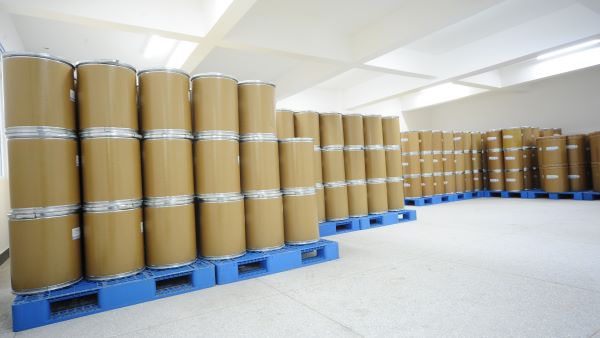
- Standard packaging: 25 kg drum with double polyethylene bag inside (foil-lined). Custom packaging available in 1 kg, 5 kg, 10 kg bags or as per buyer requirement.
Shipping Terms
- Sample orders shipped via DHL, FedEx, or UPS within 3–5 business days. Bulk orders shipped by air freight or sea freight depending on quantity and destination. DDP and CIF terms available. Lead time: 7–15 business days after order confirmation.
Shelf Life & Storage
- Store in a cool, dry place below 25°C. Protect from direct sunlight, heat, and moisture. Keep containers tightly sealed. Shelf life: 24 months from date of manufacture.