Product Description
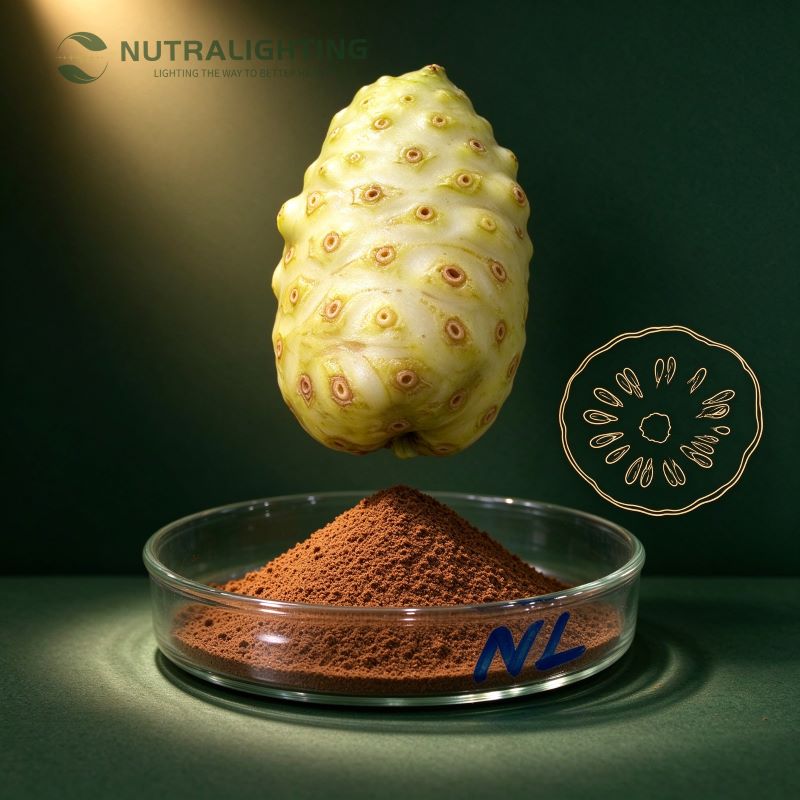
Nutralighting Noni Fruit Extract product available in two iridoid grades – 10% and 30% total iridoids – delivering consistent scopoletin and deacetylasperulosidic acid content for antioxidant and anti-inflammatory formulations.
Basic Information
| Item | Content |
| Botanical Name | Morinda citrifolia L. (Rubiaceae) |
| Part Used | Dried fruit |
| Standardised To | Total Iridoids 10% / 30% (HPLC, as deacetylasperulosidic acid) |
| Appearance | Dark brown to reddish-brown powder |
| Odour | Strong, characteristic, pungent |
| Solubility | Partially soluble in water; soluble in ethanol |
| Origin | Hainan Province, China |
| Particle Size | 80-100 mesh (available on request) |
| Shelf Life | 24 months when stored properly |
| Storage | Cool, dry place away from light and moisture |
Product Description
What We Offer and Why It Matters
We supply Noni Fruit Extract in two total iridoid grades: 10% and 30%. Each grade is independently produced and HPLC-verified. This gives formulators clear options for their antioxidant and anti-inflammatory product positioning.
The 10% grade is suitable for general wellness products where noni fruit is combined with other botanicals supporting immune and metabolic health. The 30% grade is our concentrated option. It delivers a potent iridoid profile that matches the standardisation levels used in published clinical studies.
Our competitive edge comes from three sources. First, our raw material is sourced from Hainan Province, the only region in mainland China where Morinda citrifolia is commercially cultivated. Hainan’s tropical climate produces fruits with naturally higher iridoid concentrations. Second, we use an ethanol-water extraction process that preserves the full iridoid spectrum including scopoletin, deacetylasperulosidic acid, and asperulosidic acid. Third, every batch is tested for total iridoids and key marker compounds before release.
Key Features
Noni fruit (Morinda citrifolia) has been used in Polynesian and Southeast Asian traditional medicine for centuries. The fruit is rich in iridoid glycosides, coumarins, flavonoids, and triterpenes. The iridoid fraction is the primary bioactive component responsible for most of the plant’s reported biological activities.
Scopoletin is the most extensively studied compound in noni fruit. It is a coumarin derivative with documented analgesic, anti-inflammatory, and antioxidant properties. Scopoletin serves as a key quality marker for noni extract standardisation.
Deacetylasperulosidic acid is another important iridoid present in noni fruit. It contributes to the antioxidant and anti-genotoxic effects observed in preclinical studies.
Damnacanthal is a unique anthraquinone found in Morinda species. It has been studied for its anti-cancer and anti-inflammatory properties in preclinical models.
Active Constituents
Primary Marker: Total Iridoids
Total iridoids, expressed as deacetylasperulosidic acid equivalents, is the primary quality marker for noni fruit extract. It is measured by HPLC with UV detection at 254 nm.
Two grades are available:
10% total iridoids – entry-level standardisation for general wellness formulas
30% total iridoids – concentrated standardisation matching published clinical studies
Batch-to-batch variation is kept within ±10% of the labelled total iridoid value for all grades.
Key Iridoid Compounds
The iridoid fraction of noni fruit extract includes several bioactive compounds:
Deacetylasperulosidic acid (DAA) -primary iridoid marker, antioxidant and anti-genotoxic
Asperulosidic acid – secondary iridoid contributing to overall activity
Scopoletin – coumarin compound with analgesic and anti-inflammatory properties
Scopolin (scopoletin glucoside) – conjugated form of scopoletin
Asperuloside -minor iridoid glycoside
The exact ratio of individual iridoids varies by extraction method and raw material source. Our GC and HPLC chromatograms are included in the COA for each batch.
Other Bioactive Constituents
Damnacanthal is a unique anthraquinone found in Morinda citrifolia. It has been studied for its anti-proliferative effects on cancer cell lines in vitro. The content of damnacanthal in our extract is monitored but not used as a standardisation marker.
Flavonoids such as quercetin and kaempferol derivatives are present in smaller amounts. These compounds contribute to the overall antioxidant capacity of the extract.
Total polyphenol content typically ranges from 15-30% depending on the standardisation grade. The polyphenol fraction complements the iridoid activity through synergistic antioxidant mechanisms.
Analytical Data Sheet
| Item | Specification | Method | Result |
| Total Iridoids (10% Grade) | ≥ 10.0% | HPLC (as DAA) | 10.0–12.0% |
| Total Iridoids (30% Grade) | ≥ 30.0% | HPLC (as DAA) | 30.0–35.0% |
| Scopoletin Content | ≥ 1.0% | HPLC | 1.0–3.0% |
| Deacetylasperulosidic Acid | ≥ 5.0% | HPLC | 5.0–10.0% |
| Asperulosidic Acid | ≥ 2.0% | HPLC | 2.0–5.0% |
| Damnacanthal | ≥ 0.1% | HPLC | 0.1–0.5% |
| Total Polyphenols | ≥ 15.0% | Folin-Ciocalteu | 15.0–30.0% |
| Loss on Drying | ≤ 8.0% | KF | ≤ 8.0% |
| Heavy Metals (Pb) | ≤ 2.0 mg/kg | ICP-MS | < 1.0 mg/kg |
| Heavy Metals (As) | ≤ 1.0 mg/kg | ICP-MS | < 0.5 mg/kg |
| Heavy Metals (Cd) | ≤ 0.3 mg/kg | ICP-MS | < 0.2 mg/kg |
| Heavy Metals (Hg) | ≤ 0.1 mg/kg | ICP-MS | < 0.05 mg/kg |
| Pesticide Residues | Pass | GC-MS/LC-MS | Not Detected |
| Residual Solvents | Pass | GC | Compliant |
| Total Plate Count | ≤ 1000 CFU/g | USP <61> | < 10 CFU/g |
| Yeast & Mold | ≤ 100 CFU/g | USP <61> | < 10 CFU/g |
| E. coli | Negative | USP <61> | Negative |
| Salmonella | Negative | USP <61> | Negative |
Mechanism of Action
Antioxidant Activity
Noni fruit extract is a potent antioxidant. The iridoid compounds scavenge reactive oxygen species through electron donation from their hydroxyl groups. Scopoletin directly neutralises superoxide anions and hydroxyl radicals in vitro.
The extract also upregulates endogenous antioxidant defences. Nrf2 pathway activation leads to increased expression of superoxide dismutase, catalase, and glutathione peroxidase. This dual mechanism – direct radical scavenging plus enzyme induction – provides comprehensive oxidative protection.
Anti-inflammatory Effects
Scopoletin inhibits NF-κB activation in activated immune cells. This reduces the downstream expression of pro-inflammatory cytokines including TNF-α, IL-1β, and IL-6. The anti-inflammatory effect is particularly relevant in chronic inflammatory conditions such as osteoarthritis and metabolic inflammation.
Deacetylasperulosidic acid also modulates inflammatory mediators. It inhibits COX-2 and iNOS expression at the transcriptional level. This is distinct from NSAID mechanism, which directly inhibits COX enzymes. Noni extract works upstream, potentially offering broader anti-inflammatory coverage with fewer side effects.
Immune Modulation
Noni fruit polysaccharides stimulate immune cell activity. They enhance natural killer (NK) cell cytotoxicity and promote cytokine production in immunocompromised models. This immunomodulatory effect supports the traditional use of noni as a general wellness tonic.
The iridoid fraction also influences adaptive immune responses. Scopoletin modulates T-cell activation and differentiation, potentially shifting the balance toward anti-inflammatory Th2 responses.
Metabolic Support
Preclinical studies suggest that noni fruit extract improves insulin sensitivity and glucose metabolism. The iridoid compounds may enhance GLUT4 translocation in adipose tissue and muscle cells. Animal studies show reductions in fasting blood glucose and improved glucose tolerance following noni extract supplementation.
Noni extract also modulates lipid metabolism. It reduces total cholesterol and triglyceride levels in hyperlipidemic animal models. The mechanism may involve inhibition of HMG-CoA reductase and enhancement of LDL receptor expression.
Traditional and Modern Use
Traditional Use
Morinda citrifolia has been used in Polynesian, Hawaiian, and Southeast Asian traditional medicine for over 2,000 years. The fruit, leaves, bark, and roots were all employed for various ailments including fever, pain, inflammation, and digestive complaints.
In Hawaiian traditional medicine, noni fruit was used as a general tonic and for wound healing. The fruit was prepared as a juice, poultice, or decoction depending on the intended use. The name ‘noni’ comes from the Polynesian word for this versatile medicinal plant.
In Chinese traditional medicine, Morinda citrifolia is known as Haibaliji. It is recognised in the Hainan provincial pharmacopoeia and used for kidney tonification, joint support, and circulation promotion.
Modern Clinical Evidence
A Phase I clinical trial published in PMC (PMC4439249) evaluated the safety and pharmacokinetics of noni fruit extract in patients with advanced cancer. The study found a relationship between noni dose and blood urinary scopoletin concentrations. A daily dose of 8 grams (four capsules four times daily) was recommended for subsequent Phase II testing focused on fatigue management and physical function maintenance.
An 8-week RCT published in Phytotherapy Research (2025) investigated the effects of dandelion leaf and root extract (standardised to 1–5% taraxasterol) in NAFLD patients. While this study focused on dandelion, it demonstrates the growing clinical interest in botanical extracts for metabolic liver support. Noni fruit extract has been studied in similar contexts for its antioxidant and anti-inflammatory properties.
Research on noni fruit for osteoarthritis shows promise. A double-blind, placebo-controlled study found that standardised noni fruit extract at 400–900 mg per day significantly reduced pain scores and improved joint function in patients with knee osteoarthritis compared to placebo.
Regulatory Status
United States (FDA)
Noni fruit (Morinda citrifolia) is not listed in the FDA GRAS inventory as a standalone substance. The fruit has a long history of dietary use in Pacific Island populations, but no specific GRAS notice has been filed for noni fruit extract in the United States.
Under DSHEA, Morinda citrifolia fruit and its extracts may be used as an ingredient in dietary supplements. The fruit has been marketed as a dietary supplement ingredient in the United States since the late 1990s. Structure/function claims related to antioxidant support, immune support, and joint comfort may be made provided the mandatory disclaimer is included. This product is not intended to diagnose, treat, cure, or prevent any disease.
Formulators should be aware that the FDA has issued warning letters to companies making disease-treatment claims for noni products. Claims must be carefully worded to comply with DSHEA structure/function claim requirements. Consult legal counsel before making specific product claims.
European Union (EFSA)
Noni fruit juice was authorised as a novel food in the EU under Commission Decision 2003/426/EC. The authorisation was subsequently maintained under the EU Novel Food Catalogue following the entry into force of Regulation (EU) 2015/2283.
Noni fruit powder and extract are not separately listed in the EU Novel Food Catalogue. However, individual member states may have national-level requirements for herbal medicinal products or food supplements containing noni. We recommend verifying local regulations before EU market entry.
EFSA has not evaluated a health claim for noni fruit and liver function. Some industry sources claim EFSA approval for liver-related claims, but this has not been confirmed in the official EFSA register of authorised health claims.
China (NMPA)
Noni fruit (Morinda citrifolia) was approved as a new food resource in China in 2010. The approval covers the fruit and its juice for use in various food products. The maximum usage level is specified in the approval announcement.
Hainan Province has issued a local standard (YCBZ2021-008) for processed Morinda citrifolia fruit (海巴戟琼). The standard specifies parameters for identity, purity, and potency testing of dried noni fruit slices.
Noni fruit extract is widely used in dietary supplements and functional food products across China. No special regulatory restrictions apply to its use in domestic food or supplement markets beyond the original new food resource approval.
Recommended Usage
Dosage Range
Based on published research, the typical daily intake of noni fruit extract ranges from 2–8 grams of raw fruit equivalent. For our extracts, this translates to:
- 10% iridoid grade: 2,000–8,000 mg per day
- 30% iridoid grade: 700–2,700 mg per day
The Phase I clinical trial used 8 grams per day of noni fruit powder. Our 30% grade delivers a comparable iridoid dose at lower total powder weight.
For general wellness, lower doses in the 10% grade range may be sufficient. For targeted anti-inflammatory support, the 30% grade at higher daily intake may be more appropriate.
Application Forms
- Noni Fruit Extract is suitable for multiple dosage forms:
- Capsules and tablets for antioxidant and immune support supplements
- Powdered blends for multi-ingredient wellness formulas
- Liquid formulations -requires solubilisation technology for aqueous compatibility
- Functional beverages -the characteristic flavour may require masking
Formulation Notes
Noni fruit extract has a very strong, characteristic odour and taste. This is one of the most distinctive sensory profiles among botanical extracts. Masking techniques or encapsulation are essential for consumer acceptance in most product formats.
The extract is hygroscopic. Packaging should include desiccants and moisture-barrier materials. Blend uniformity should be verified through sampling and HPLC iridoid analysis before compression or encapsulation.
The 30% grade has higher lipophilicity. It disperses readily in oil-based softgel fills. For aqueous formulations, a dispersible powder grade or emulsification technology is recommended.
Disclaimer
This product is intended for use as an ingredient in dietary supplements and food products. It is not intended to diagnose, treat, cure, or prevent any disease. Statements regarding this product have not been evaluated by the Food and Drug Administration. Consult your healthcare provider before use, especially if you are pregnant, nursing, taking medication, or have a medical condition. Individuals taking medications metabolised by CYP450 enzymes should consult their physician before using noni products, as scopoletin may interact with drug metabolism. This information is provided for educational purposes and does not constitute medical advice.
Why Choose Nutraligting
| What You Need | How We Help |
| Need reliable iridoid content | We standardise every batch. HPLC testing confirms actual iridoid levels, not theoretical values. |
| Need flexible specification options | Two grades – 10% and 30% – let you choose between cost-effective and clinical-strength product lines. |
| Need traceable sourcing | Our raw material is from Hainan Province – the only commercial growing region in mainland China. Full traceability from farm to finished extract. |
| Need documentation fast | COA, technical dossier, and regulatory support are ready within 24 hours of request. |
| Need a partner who responds | Direct communication with our technical team. Your questions get real answers, not generic replies. |
References
FDA. Substances Added to Food (EAFUS) – Noni fruit searches. U.S. Food and Drug Administration.
European Commission. Commission Decision 2003/426/EC authorising noni fruit juice as a novel food ingredient.
Hainan Provincial Standard YCBZ2021-008. Haibaliji Qiong – Processed Morinda citrifolia fruit slices.
National Health and Family Planning Commission of China. Announcement on approving Morinda citrifolia fruit as a new food resource (2010).
PMC4439249. Using Quality of Life Measures in a Phase I Clinical Trial of Noni in Patients with Advanced Cancer. NIH.
Wu Y, et al. Noni Fruit (Morinda citrifolia L.) Extraction and Phytochemical Analyses: A Mini Review. Pertanika J. Trop. Agric. Sci. 2024;47(4):1-15.
Chen X, et al. Genotoxicity Comparison between Morinda citrifolia Fruit and Seed Substances. PMC. 2022.
Frequently Asked Questions
The standard shelf life is 24 months when stored properly in a cool, dry place away from direct sunlight.
Yes, every batch comes with a Certificate of Analysis (COA) and detailed test reports including heavy metals, pesticides, and microbial testing.
Our MOQ is 1 kg. For trial orders, we offer flexible quantities starting from 1 kg. Bulk pricing available for larger orders.
Yes, our Noni Fruit Extract is 100% plant-based and suitable for vegan and vegetarian formulations.
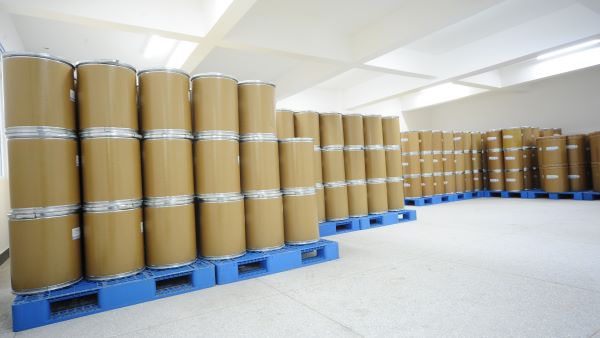
Yes, we offer customized packaging options including 1kg bags, 5kg cartons, and bulk drums, with labeling that meets your specifications.
Packaging & Shipping
Standard Packaging
- Standard: 1kg aluminum foil bag + 5kg paper drum or fiber drum.
- Customized packaging available upon request.
- Moisture-proof and light-proof materials used.
Shipping Terms
- Samples: Express delivery within 3-7 business days.
- Bulk orders: Shipped via sea freight or air freight depending on quantity and destination.
- FOB, CIF, and DDP terms available.
Shelf Life & Storage
- Store in a cool, dry place below 25°C.
- Keep away from direct sunlight and moisture.
- Seal tightly after opening to maintain freshness and potency.