Product Description
Nutralighting direct-supply nine-steamed nine-sun Polygonatum Sibiricum standardized extract-high-quality raw material for immune support and metabolic health products, with stable polysaccharide content and traceable authenticity.
Product Description
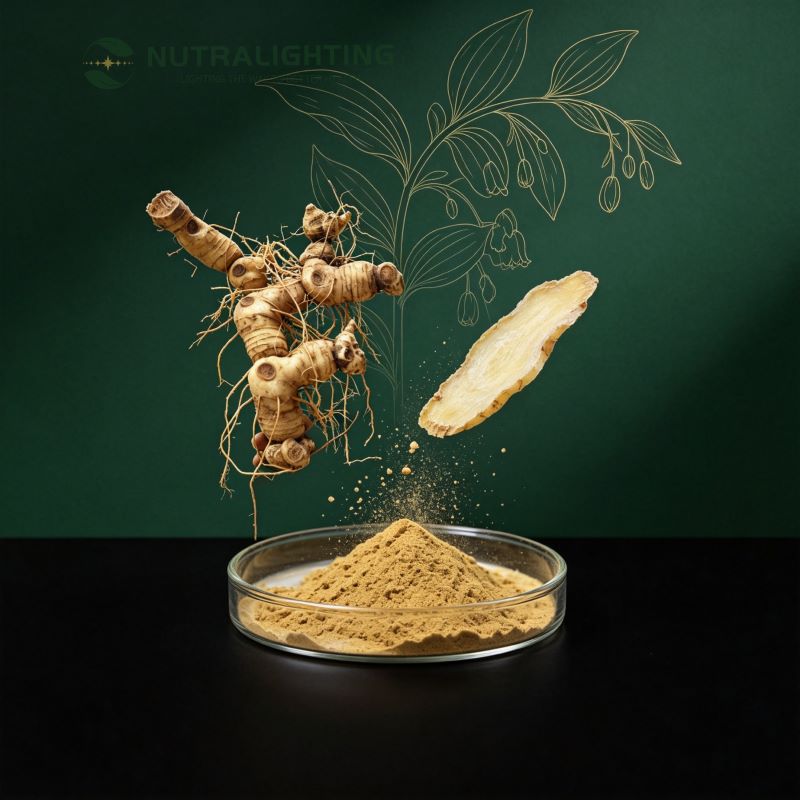
Polygonatum Extract is a standardized active ingredient powder made from authentic Polygonatum rhizomes through a water extraction and alcohol precipitation process. The main active components are Polygonatum polysaccharides and saponins, meeting the quality standard of 50%-70% polysaccharides. It has multiple benefits, including immune support, blood sugar health, and anti-aging effects, and is widely used in health foods, functional foods, and personal care products. The extract is made from carefully selected nine-times steamed and nine-times sun-dried authentic Polygonatum, with standardized polysaccharide content, prepared using a water extraction and alcohol precipitation process. It has a moderately sweet taste, making it an ideal ingredient for metabolism health and anti-aging products.
Polygonatum sibiricum is a traditional Chinese medicinal herb used to tonify qi and nourish yin. Xinning in Hunan and Congjiang in Guizhou are the main producing areas. Extracts of Polygonatum sibiricum are rapidly growing in the metabolic health and anti-aging product market.
Why Choose Nutralighting
- Nutralighting ensures traceable raw materials, rigorous quality control, and reliable global shipping.
- Flexible Customization: Supports adjustment of Polygonatum Sibiricum Extractt ratios, standardization levels, and packaging specifications as needed, with a complete technical data package.
Basic Information
| Project | Content |
| Extract Name | Polygonatum Sibiricum Extract |
| Alias | Ji Tou Huang Jing |
| Botanical Name | Polygonatum sibiricum Redoute |
| Part Used | Rhizome |
| Common English Name | Solomon’s Seal Extract / Polygonatum Extract / Huang Jing extract |
| Extraction ratio | 5:1, 10:1, or custom |
| Main Components | Polysaccharide content: 10%-80% (customizable) Flavonoid content: 5%-30% Saponin content: 2%-10% |
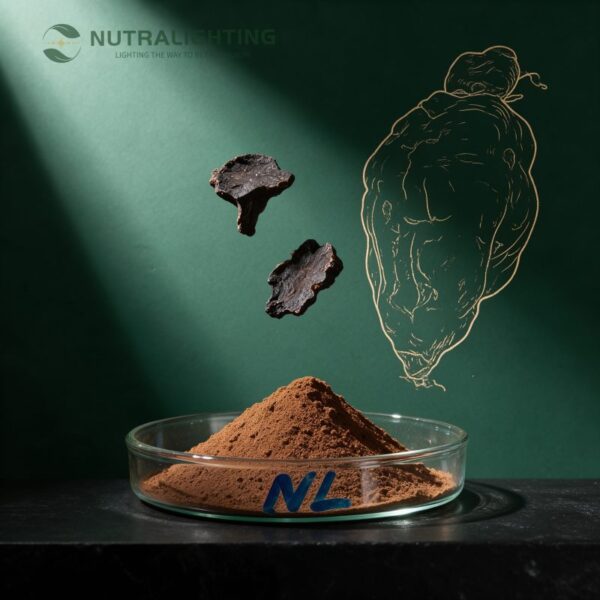
| Appearance | Brown to dark brown powder |
| Solubility | Soluble in water |
| Main Specification | Polysaccharides 50%-70% |
| Target Market | China, Asia |
| Core Application Areas |
|
| Grade | Cosmetic grade and food grade options available |
Standard Specifications (COA)
The following specifications are common reference values, subject to the COA report of each batch.
| Testing Items | Standards |
| Polygonatum Polysaccharides | Polysaccharides 50%-70% |
| Loss on drying | ≤5.0% |
| Total ash | ≤6.0% |
| Lead (Pb) | ≤1.0 mg/kg |
| Arsenic (As) | ≤2.0 mg/kg |
| Cadmium (Cd) | ≤0.5 mg/kg |
| Mercury (Hg) | ≤0.1 mg/kg |
| Pesticide residues (organochlorine/organophosphorus) | Complies with USP <561> |
| Aflatoxin B1 | ≤5.0 μg/kg |
| Total aflatoxins | ≤10.0 μg/kg |
| Total Microbial Count (TAMC) | ≤1×10⁴ CFU/g |
| Yeasts and Molds (TYMC) | ≤1×10² CFU/g |
| Escherichia coli | Not Detected (1g) |
| Salmonella | Not Detected (1g) |
Plant Material Introduction
The raw material of this product comes from the dried rhizomes of Polygonatum sibiricum Redoute, P. kingianum Coll. et Hemsl., or P. cyrtonema Hua, plants of the Liliaceae family. It is mainly produced in Hunan, Hubei, Guizhou, Sichuan, Anhui, and other regions in China. The 2020 edition of the Chinese Pharmacopoeia records Polygonatum. Polygonatum is a traditional Chinese medicine that tonifies qi and nourishes yin, strengthens the spleen, moistens the lungs, and benefits the kidneys, and is known as ‘immortal’s leftover grain.’ Its main active components, Polygonatum polysaccharides and saponins, exhibit extensive biological activities.
Core Efficacy
Polygonatum sibiricum extract has a substantial research basis in metabolic health and immune support. Studies on Polygonatum polysaccharides suggest that they may help maintain healthy glucose metabolism and insulin sensitivity, as well as support pancreatic health.
In terms of immune regulation, Polygonatum polysaccharides can support macrophage phagocytic function and NK cell activity. Additionally, Polygonatum has traditional application value in antioxidant support, liver protection, and cardiovascular health support.
Regulatory and Regional Access Status
The information below is compiled from publicly available regulatory data. Actual market access should be based on the latest regulations in the target country.
| Region/Country | Regulatory Status | Key Notes |
| China (NHC/NMPA) | Health Food Ingredients / New Resource Foods | According to the 2020 edition of the Chinese Pharmacopoeia and standards such as GB 16740; some varieties have been included in the health food ingredient catalog or can be used in ordinary food catalogs, and the latest regulatory status of each variety needs to be specifically verified. |
| Japan (MHLW) | Food Additives / Health Food Ingredients | Used as extracts for food additives or health food ingredients; some varieties need to be reported under the functional labeling food system. |
Application Directions and Recommended Dosage
| Application Direction | Recommended Addition Amount | Applicable Dosage Form | Remarks |
| Oral solid beverages/capsules | 200~500 mg/day | Tablets, capsules, granules | Can be combined with immune-supporting nutrients such as vitamin C and zinc |
| Oral solid beverage / granule | Determined according to specifications | Strip packaging, bag packaging, can packaging | Can be combined with other functional ingredients, recommended to control with standardized extracts |
| Compressed candy / capsule | Determined according to specifications | Tablets, hard capsules | Each capsule is recommended to contain 250~500 mg of extract, taken 2~3 times daily |
| Oral liquid / functional beverage | According to specifications | Glass bottle, PET bottle | It is recommended to disperse in warm water first before adding to the system, pay attention to pH stability |
| Personal care and skincare products | 0.1~2.0%(w/w) | Lotion, serum, mask | Solubility and stability need to be evaluated according to the formulation system |
Recommended Daily Dosage Reference
- For general health maintenance, the daily intake of Polygonatum polysaccharides should not exceed 0.7g, and continuous use for more than one month is not recommended; for medicinal purposes, strictly follow your doctor’s instructions and do not increase the dose without consultation.
Other Precautions
- Contraindications based on constitution: Not to be used by individuals with spleen deficiency with excessive dampness, cough with copious phlegm, cold-induced diarrhoea, or qi stagnation with abdominal distension. The extract has a particularly heavy and greasy nature, which may rapidly exacerbate the accumulation of dampness, leading to problems such as a thick, greasy tongue coating and sticky stools.
- Risks of Concomitant Use: Diabetic patients taking this alongside hypoglycaemic medication should monitor their blood glucose levels, as the extract’s blood-sugar-regulating properties may induce hypoglycaemia; long-term use requires vigilance regarding metabolic interactions with anticoagulants and antihypertensive drugs.
- Special populations: Pregnant women, breastfeeding women, children, and those with impaired liver or kidney function or autoimmune diseases should consult a doctor to confirm safety before use.
- Warning signs: If skin itching, a rash, abdominal distension or pain, fatigue or darkening of urine occur after taking this product, discontinue use immediately and seek medical attention to rule out an allergic reaction or organ damage.
Appendix: References
[1] Chinese Pharmacopoeia, 2020 Edition, Part I (Polygonatum Standard)
[2] Wu L. et al., Journal of Ethnopharmacology, 2020: Study on the hypoglycemic effect of Polygonatum polysaccharides
[3] Zhang J. et al., Carbohydrate Polymers, 2018: Immunomodulatory effects of Polygonatum polysaccharides
[4] WHO Monographs on Selected Medicinal Plants, Vol.3, 2007
[5] Feng Jingqun, et al. A Comparative Study on the Toxicity and Extractable Substances of Different Processed Forms of Polygonatum. Journal of Shaanxi University of Traditional Chinese Medicine, 1991, 14(4): 35
[6]Aqueous extract of Polygonatum sibiricum ameliorates glucose and lipid metabolism via PI3K/AKT signaling pathway in high-fat diet and streptozotocin-induced diabetic mice. Journal of Food Biochemistry, 2022
[7]Excessive Use of Polygonatum sibiricum Causes No Acute Lethality but Induces Multiple Toxic Effects in Mice. Frontiers in Pharmacology, 2023
Frequently Asked Questions
It is primarily used in dietary supplements, traditional herbal formulas, and functional foods for its adaptogenic and nourishing properties, supporting energy metabolism and overall wellness.
Yes. We offer customizable polysaccharide, flavonoid, and saponin concentrations based on client specifications and target application requirements.
Absolutely. A full COA, MSDS, and analytical reports including heavy metals, pesticide residues, and microbial testing are available for every batch.
Our facility is certified under ISO 9001 and HACCP. HALAL and KOSHER certificates can be obtained for specific orders.
Standard lead time is 15–25 working days after order confirmation, depending on quantity and customization requirements.
Packaging & Shipping
Standard Packaging
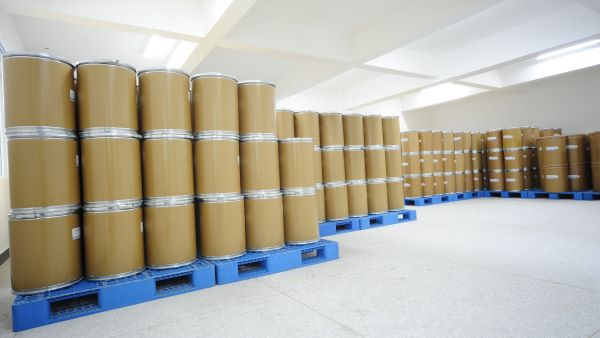
- Standard packaging: 25 kg drum with double-layer plastic bags inside.
- Custom packaging available: 1 kg aluminum foil bags, 5 kg cartons, or as per client request.
- Private labeling and OEM packaging supported.
Shipping Terms
- Samples: dispatched via DHL, FedEx, or UPS within 3–5 business days.
- Bulk orders: shipped by air or sea freight. FOB Shanghai/Ningbo ports.
- Documentation provided: Commercial invoice, packing list, bill of lading, and certificate of origin.
Shelf Life & Storage
- Store in a cool, dry place away from direct sunlight and moisture.
- Keep containers tightly sealed when not in use.
- Recommended storage temperature: 2°C–25°C.