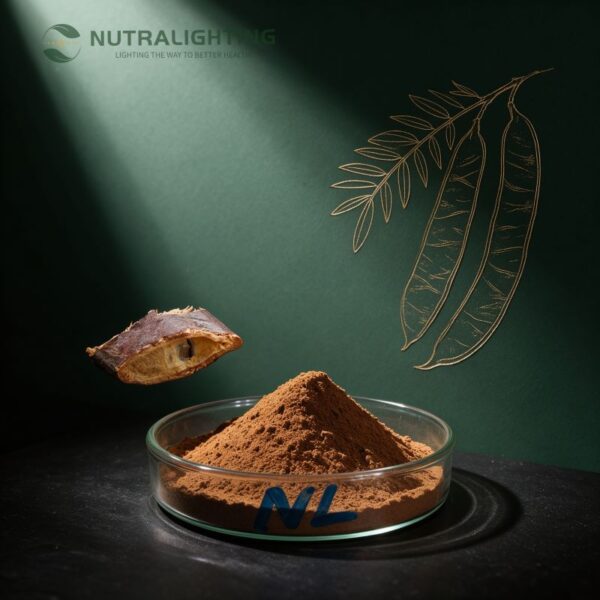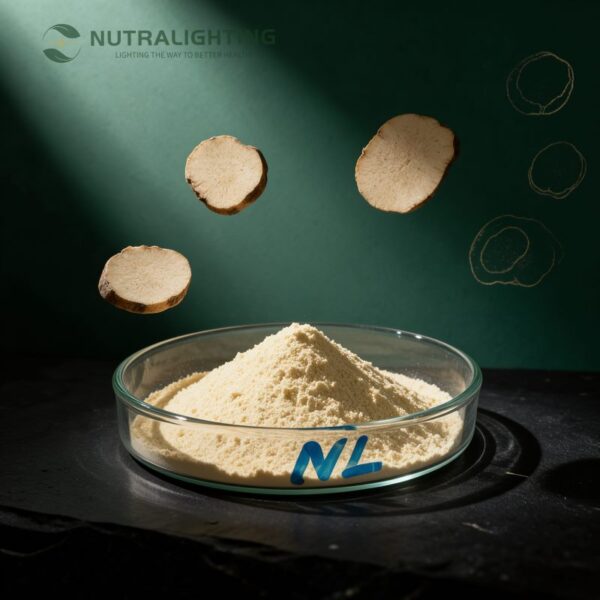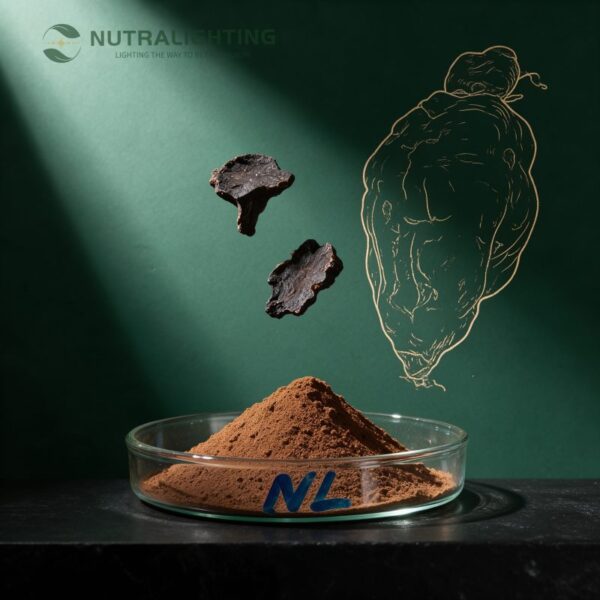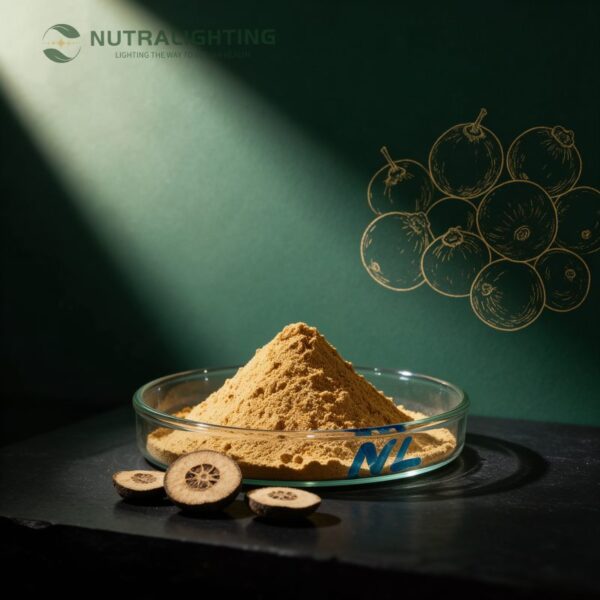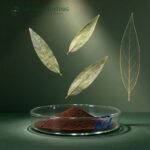
Product Description
A classic soluble dietary fiber ingredient: this mild-tasting natural soluble fiber is your go-to choice for digestion and metabolism support, with high-purity Psyllium Husk Fiber standardized to 85%-95%.
Product Description
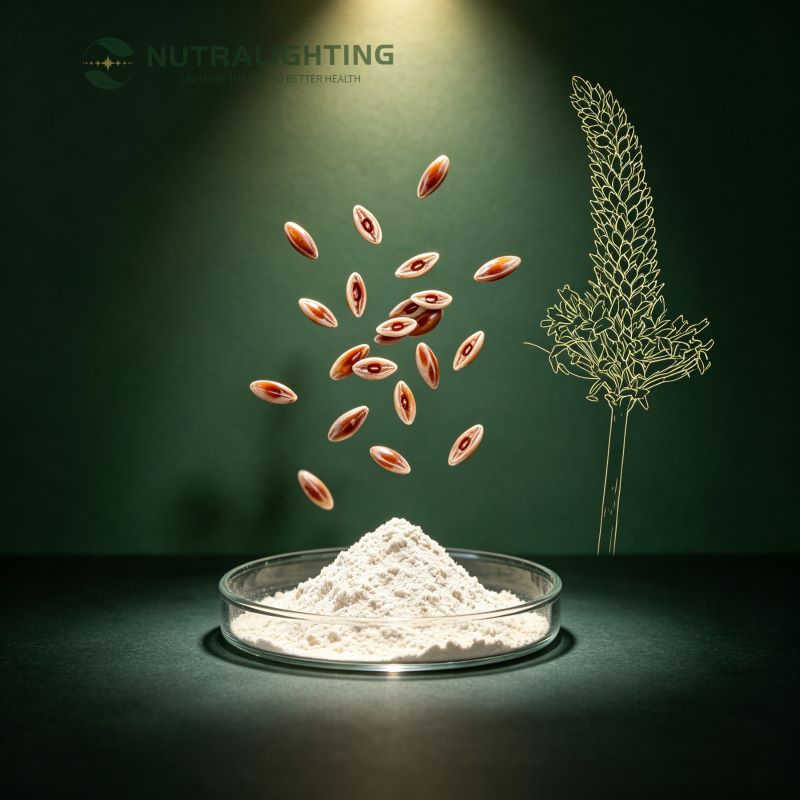
Psyllium Husk Extract, with soluble dietary fiber as its core active component, is derived from the seed husks of plants such as Plantago asiatica. It is processed using refined techniques to obtain high-purity fiber powder, with a dietary fiber content of 85%-95%. In categories such as digestive health, blood sugar, and weight management, formulators need plant ingredients that are high in fiber, batch-stable, and readily available. Psyllium (Plantago) extract, with soluble dietary fiber as its core, is a stable choice for solid beverages, tablets, and functional foods.
Background and Market
Psyllium is a common medicinal plant with a long history of use in traditional Chinese medicine. In recent years, it has gained attention in the field of urinary system health products.
Why Choose Nutralighting
- High-Purity Fiber: Soluble dietary fiber 85%-95%, batch-stable, easy to mix.
- Globally Mature: Psyllium is a mainstream dietary fiber ingredient worldwide, with a mature supply chain, providing TDS/COA/MSDS.
- We offer flexible customization options including particle size adjustment, packaging specifications, and private labeling to meet the diverse needs of B2B clients worldwide. Psyllium Husk Extract Bulk supply is available with stable lead times and competitive pricing.
Basic Information
| Project | Content |
| Extract Name | Psyllium Husk Extract |
| Botanical Source | Plantago ovata seeds |
| English Common Name | Plantago Extract, Plantago asiatica extract, Psyllium Extract, |
| Main Components | Soluble Dietary Fiber (psyllium mucilage) |
| Main Specifications | Fiber 85%-95% |
| Appearance | Fine off-white to light tan powder |
| Particle Size | 80-100 mesh (customizable) |
| Target Market | Global |
| Core Application Areas | Digestive Health; Blood Sugar Health; Weight Management |
Standard Specifications (COA)
The following Psyllium Extract specifications are conventional reference values; the actual values shall be based on the extract COA report for each batch.
| Test Items | Standard |
| Soluble dietary fiber | Fiber 85%-95% |
| Loss on drying | ≤5.0% |
| Total ash | ≤6.0% |
| Lead (Pb) | ≤1.0 mg/kg |
| Arsenic (As) | ≤2.0 mg/kg |
| Cadmium (Cd) | ≤0.5 mg/kg |
| Mercury (Hg) | ≤0.1 mg/kg |
| Pesticide residues (organochlorine/organophosphorus) | Complies with USP <561> |
| Aflatoxin B1 | ≤5.0 μg/kg |
| Total Aflatoxins | ≤10.0 μg/kg |
| Total Microbial Count (TAMC) | ≤1×10⁴ CFU/g |
| Yeasts and Molds (TYMC) | ≤1×10² CFU/g |
| Escherichia coli | Not detected (1g) |
| Salmonella | Not detected (1g) |
Plant Material Introduction
The material originates from the Plantago family, specifically dried whole herbs of Plantago asiatica L. or P. depressa Willd. Mainly produced in most regions nationwide, with the largest output in Northeast, North, and Northwest China. The 2020 edition of the Chinese Pharmacopoeia first volume includes the standard for Plantago seeds. The main active components are cyclic ether terpenes (such as plantamajoside, isoacteoside), polysaccharides, and flavonoid compounds.
Core Efficacy
Psyllium Extract has a relatively strong research foundation in digestive and metabolic support. Its key component, Plantago seed gum, is a soluble dietary fiber. In vitro and clinical studies show that it can absorb water and expand, promote intestinal peristalsis, and support postprandial blood sugar and lipid management.
Traditionally, it has also been used as an adjunct for urinary system discomfort. Studies indicate that its flavonoids and norisoprenoids (such as plantamajoside and aucubin) have antioxidant and anti-inflammatory activities.
The above results are mainly based on in vitro, animal, and clinical literature, and practical application requires comprehensive evaluation considering formulation and dosage.
Regulatory and Regional Access Status
The following information is compiled from public regulatory data; actual market access should follow the latest regulations of the target country.
| Region/Country | Regulatory Status | Key Notes |
| USA (FDA) | Dietary Supplements / GRAS | Generally regulated as dietary supplements if they are plant extracts; some ingredients have received GRAS recognition (specific cases need confirmation). USP has included monographs for various extracts. |
| EU (EFSA) | Traditional Herbal Medicines / Food Supplements | EU Directive 2004/24/EC regulates traditional herbal medicines; extracts used as food supplement ingredients must comply with EU Novel Food Regulation (EU) 2015/2283 (some traditional herbs enjoy simplified procedures). |
Application Directions and Recommended Dosage
| Application Direction | Recommended Addition Amount | Applicable Dosage Forms | Remarks |
| Oral solid beverages / Granules | Determined by specifications | Strip-pack, bag, can | Can be compounded with other functional ingredients, recommended to control quantity using standardized extracts |
| Compressed candies / Capsules | Determined by specifications | Tablets, hard capsules | Each capsule is recommended to contain 250~500 mg of extract, 2~3 times per day |
| Oral liquid / functional beverage | Customizable according to specifications | Glass bottle, PET bottle | It is recommended to disperse in warm water first before adding to the system, pay attention to pH stability |
| Personal care skincare products | 0.1~2.0%(w/w) | Lotion, serum, mask | Solubility and stability need to be evaluated according to the formulation system |
Recommended Daily Dosage Reference
- General Health Use: Use according to product specifications and formulator recommendations
- Personal Care & Skincare: The amount added to formulations depends on the specific product; 0.1~2.0% is recommended
Appendix: References
(The following references are for technical reference, some are open access and can be accessed through PubMed/PMC or journal official websites)
[1] Kim J.H. et al., Journal of Ethnopharmacology, 2016; 189: 142-150.
[2] Yang S.S. et al., Journal of Ethnopharmacology, 2014; 152: 368-374.
[3] Reynolds A. et al., BMJ, 2018; 362: k2860.
Frequently Asked Questions
Standard lead time is 15-25 days after order confirmation, depending on quantity and packaging requirements. Expedited shipping options are available.
Yes, we provide COA and third-party test reports for heavy metals, pesticides, and microbial contaminants with every shipment.
Absolutely. We offer OEM services including custom packaging sizes, labels, and specifications to meet your brand requirements.
Our standard MOQ is 25 kg per product. Smaller trial quantities may be arranged—please contact our sales team for details.
Packaging & Shipping
Standard Packaging
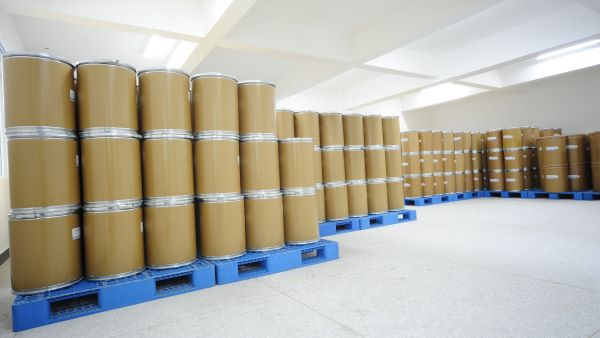
- Standard packaging: 25 kg fiber drums with double polyethylene liners.
- Custom packaging available in 1 kg, 5 kg, 10 kg bags or as per client requirements.
- All packaging materials are food-grade and sealed for freshness.
Shipping Terms
- Shipped via sea freight, air freight, or express courier depending on order volume and destination.
- We support FOB, CIF, and DDP terms.
- Export documentation, including COA, MSDS, and phytosanitary certificates, is provided with each shipment.
Shelf Life & Storage
- Store in a cool, dry place away from direct sunlight and moisture.
- Keep containers tightly sealed when not in use.
- Properly stored, the product maintains shelf life of 24 months from date of manufacture.