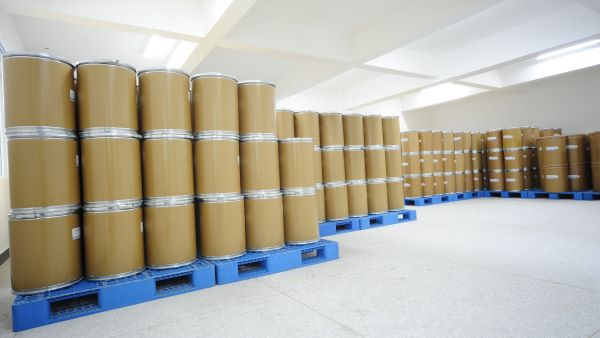

Product Description
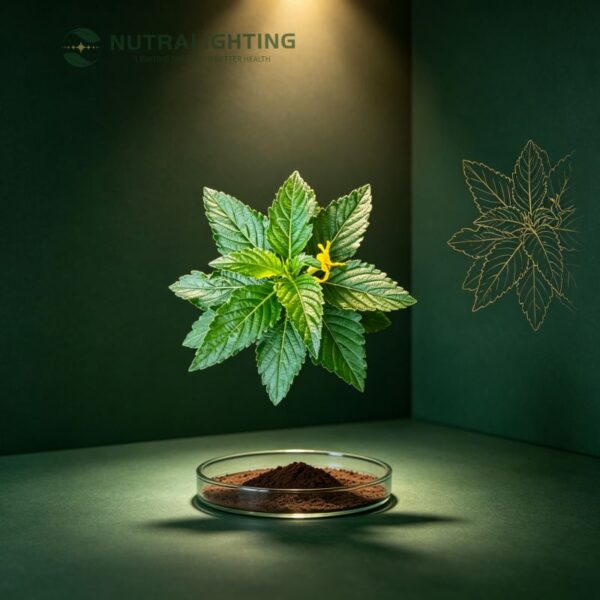
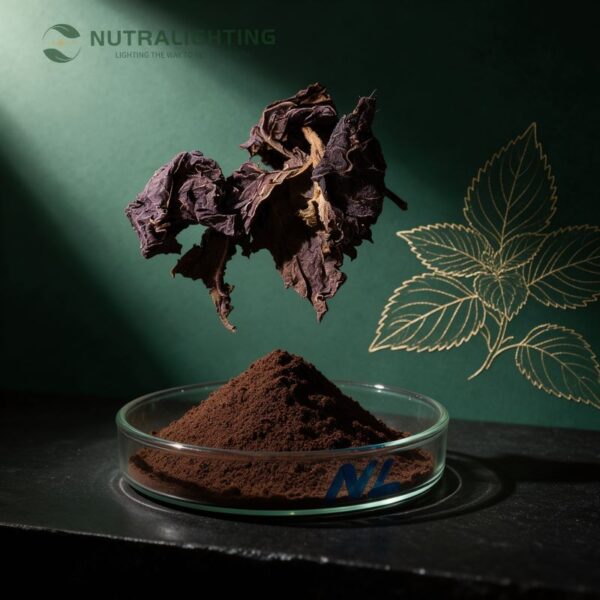
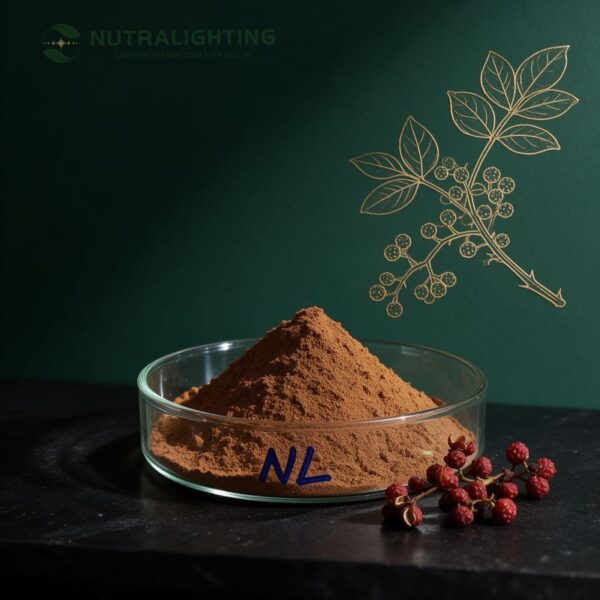
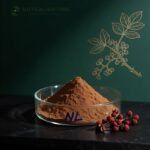
Classic Traditional Chinese Medicine Herb for Promoting Blood Circulation and Resolving Bruising – Safflower Extract is a natural plant-derived ingredient sourced from Carthamus tinctorius L. flowers. Rich in bioactive flavonoids, hydroxysafflor yellow A, and carthamide C, it is widely used in the food, beverage, cosmetic, and pharmaceutical industries as a premium natural colorant and functional botanical extract.
Product Description
Safflower Extract uses safflower yellow pigment (HSYA) and hydroxysafflower yellow pigment A as its core active ingredients. It is derived from dried flowers of Carthamus tinctorius L. in the Asteraceae family, and is purified by water extraction, alcohol precipitation, and column chromatography purification to produce standardized concentrated safflower pigment powder, with HSYA content reaching 15%-30%. As a classic TCM herb for promoting blood circulation and removing stasis, it has research foundations in cardiovascular health and antioxidant fields, and is widely used in health foods, functional foods, and personal care formulas. This product selects authentic safflower raw materials from Henan, which have a high content of yellow pigment, making it a premium choice for cardiovascular and blood circulation resolving stasis-removing products.
Safflower is a traditional Chinese herb for promoting blood circulation and removing stasis, with Henan and Xinjiang as the main production areas. Safflower yellow pigment has been widely researched and applied in cardiovascular health.
Why Choose Nutralighting
- Each batch is tested for identity, potency, heavy metals, pesticides, and microbial limits in compliance with international quality standards. Certificates of Analysis (COA) are available upon request.
- Small batch trial orders and OEM/ODM customization are accepted.
Basic Information
| Item | Content |
| Chinese Name | Safflower Extract |
| Botanical Name | Carthamus tinctorius L. |
| Part Used | Flower petals |
| Common English Name | Safflower Extract |
| Extraction Solvent | Water / Ethanol (optional) |
| Standards Available | Standard, 10:1, 20:1, HPLC standardized |
| Appearance | Yellow to orange powder or liquid |
| Recommended Promotional English Name | Safflower Extract (Standardized Natural Extract) |
| Main Components | Safflower Yellow (HSYA), Hydroxysafflor Yellow A, Flavonoids, Carthamide C |
| Main Specifications | HSYA 15%-30% |
| Target Market | China, Middle East |
| Core Application Areas |
|
Standard Specifications (COA)
The following specifications are conventional reference values, and the actual COA report of each batch shall prevail.
| Testing Items | Standards |
| Hydroxysafflor Yellow A (HSYA) | HSYA 15%-30% |
| Loss on drying | ≤5.0% |
| Total ash | ≤6.0% |
| Lead (Pb) | ≤1.0 mg/kg |
| Arsenic (As) | ≤2.0 mg/kg |
| Cadmium (Cd) | ≤0.5 mg/kg |
| Mercury (Hg) | ≤0.1 mg/kg |
| Pesticide residues (organochlorine/organo-phosphorus) | Complies with USP <561> |
| Aflatoxin B1 | ≤5.0 μg/kg |
| Total Aflatoxins | ≤10.0 μg/kg |
| Total Microbial Count (TAMC) | ≤1×10⁴ CFU/g |
| Yeasts and Molds (TYMC) | ≤1×10² CFU/g |
| Escherichia coli | Not Detected (1g) |
| Salmonella | Not Detected (1g) |
Introduction of Plant Raw Materials
The raw material is the dried flower of safflower (Carthamus tinctorius L.) from the Asteraceae family. It is mainly produced in Henan, Xinjiang, Sichuan, Yunnan, and other regions. Safflower is a key medicine in traditional Chinese medicine for promoting blood circulation and removing blood stasis. It is included in Volume I of the 2020 edition of the Chinese Pharmacopoeia.
Core Efficacies
Carthamus tinctorius (safflower) extract has a substantial research foundation in cardiovascular health and promoting blood circulation to remove blood stasis. Safflor yellow, a pigment from safflower, has been shown in studies to dilate coronary arteries, improve myocardial blood supply, and inhibit platelet aggregation; its IC50 for inhibiting angiotensin II-induced vascular contraction is approximately 8.5 μg/mL. Relevant clinical studies indicate that standardized safflor yellow has supportive effects for cardiovascular discomfort (Phytomedicine, 2011). Hydroxysafflor yellow A (HSYA) has been demonstrated in studies to inhibit inflammatory responses and oxidative stress, and animal studies support its protective effects on brain tissue. In vitro studies show that safflower extract can inhibit human platelet aggregation (ADP-induced).
Regulatory and Regional Access Status
The following information is based on publicly available regulatory data. Actual market access should be subject to the latest regulations in the target country.
| Region/Country | Regulatory Status | Key Notes |
| United States (FDA) | Dietary Supplements / GRAS | Plant extracts are generally regulated as dietary supplements; some ingredients have been recognized as GRAS (require case-by-case verification). USP has monographs for many extracts. |
| China (NHC/NMPA) | Health Food Ingredients / New Resource Foods | According to the 2020 edition of the Chinese Pharmacopoeia and standards such as GB 16740; some varieties are included in the health food ingredients catalog or can be used in ordinary foods, and the latest regulatory status of each variety needs to be specifically verified. |
Application Directions and Recommended Dosage
| Application Direction | Recommended Addition Amount | Applicable Dosage Forms | Remarks |
| Oral solid drinks / instant powder | According to specifications | Sticks, bags, cans | Can be compounded with other functional ingredients, recommended to control dosage with standardized extracts |
| Compressed candies / capsules | According to specifications | Tablets, hard capsules | Each capsule is recommended to contain 250~500 mg of extract, 2~3 times daily |
| Oral liquid / functional beverages | According to specifications | Glass bottles, PET bottles | It is recommended to disperse in warm water first before adding to the system, pay attention to pH stability |
| Personal care skincare products | 0.1~2.0%(w/w) | Lotion, serum, mask | Solubility and stability need to be evaluated based on the formulation system |
Recommended Daily Dosage Reference
- General Health Use: Use according to product specifications and the amount advised by a formulator
- Personal Care and Skincare: Addition in formulations depends on the specific product; recommended 0.1~2.0%
Appendix: References
(The following references are for technical reference, some are open access and can be viewed via PubMed/PMC or the journal’s official website)
[1] Tang S. et al., Phytomedicine, 2011; 18: 637-641.
[2] Li Y. et al., Journal of Ethnopharmacology, 2015; 170: 237-244.
[3] Wu F. et al., Journal of Ethnopharmacology, 2014; 152: 493-500.
Frequently Asked Questions
The typical shelf life is 24 months when stored in a cool, dry place away from direct sunlight, as specified in our standard COA.
Yes, we support custom extraction ratios, packaging sizes, and private-label solutions for B2B clients worldwide.
Sample quantities are available for quality evaluation. Shipping cost applies; sample fee may be credited against a confirmed order.
We offer 1 kg, 5 kg, and 25 kg aluminum foil bags or cartons. Custom packaging is available for larger orders.
Yes, it is a 100% plant-derived ingredient with no animal-origin materials, making it suitable for vegan and clean-label formulations.
Packaging & Shipping
Standard Packaging
- 1 kg / 5 kg / 25 kg aluminum foil bags with double inner lining.
- Custom packaging and private-label options available for bulk orders.
Shipping Terms
- Shipped via express (DHL, FedEx, UPS) for sample and small orders.
- Air freight for medium-volume orders.
- Sea freight available for large container orders.
- Lead time: 7–15 working days after order confirmation.
Shelf Life & Storage
- Store in a cool, dry, and well-ventilated area away from direct sunlight and moisture.
- Keep container tightly closed when not in use.
- Recommended storage temperature: 2–8°C for liquid forms; room temperature for powder forms.